
Recent roofing
projects
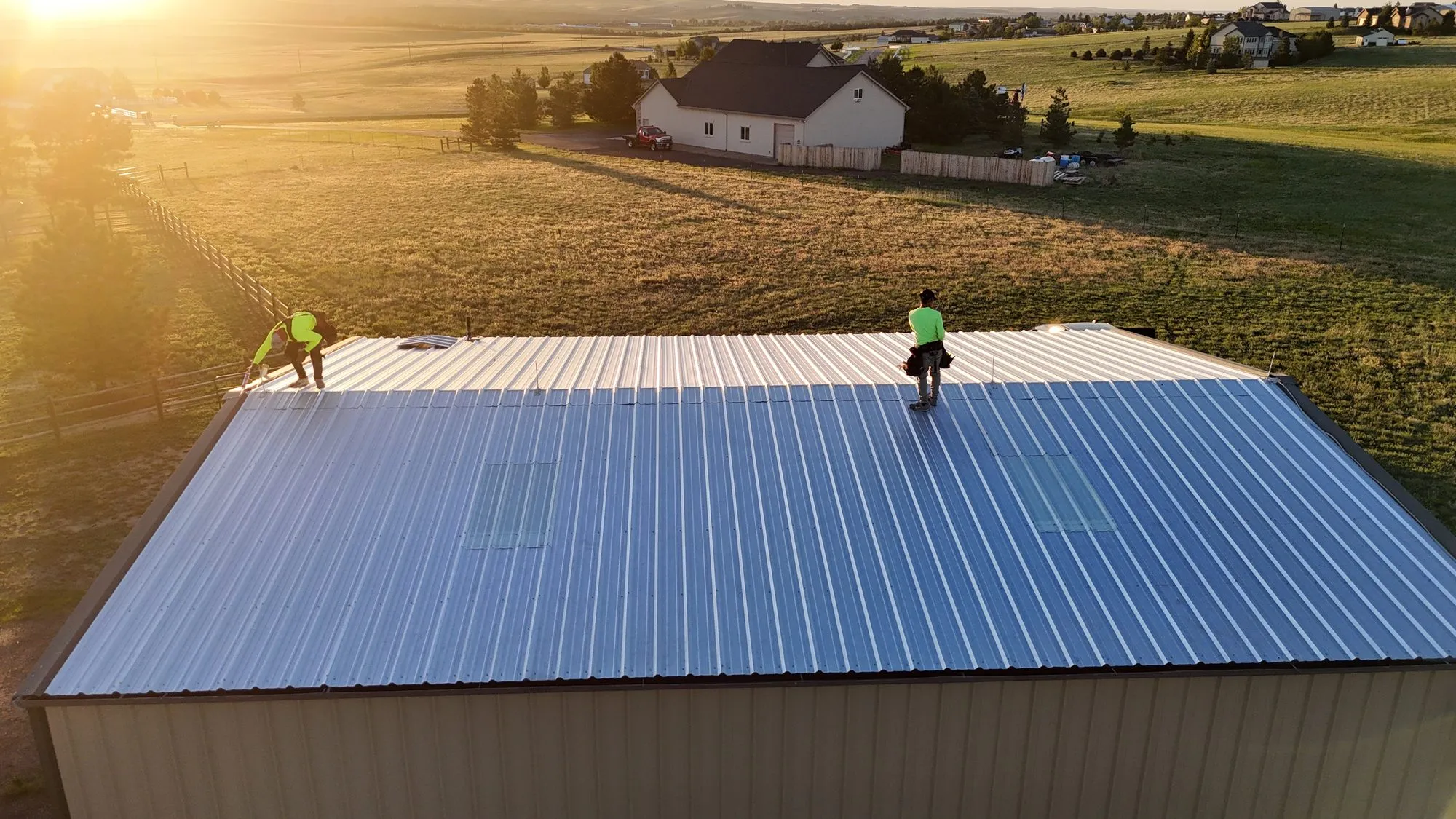
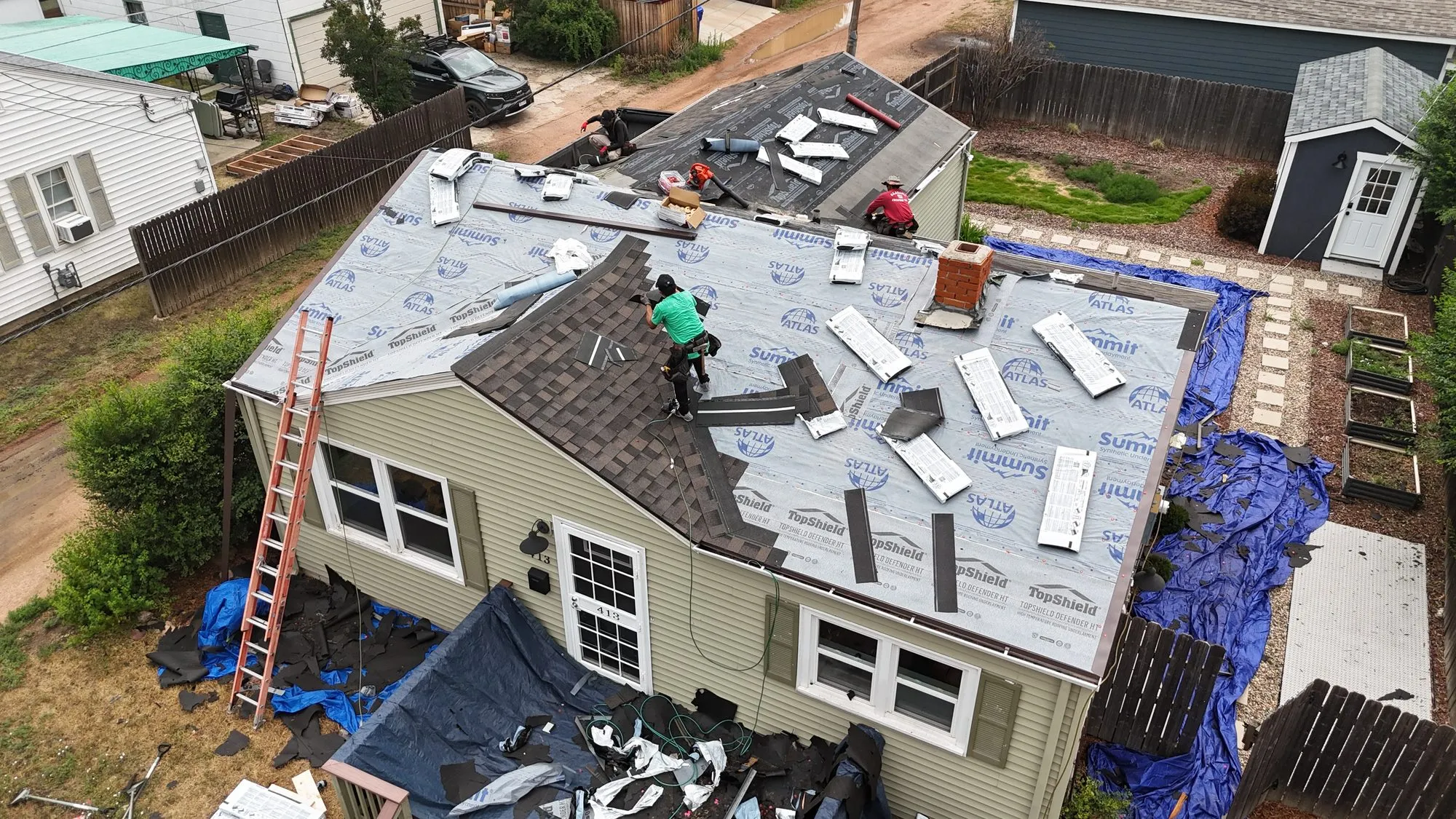
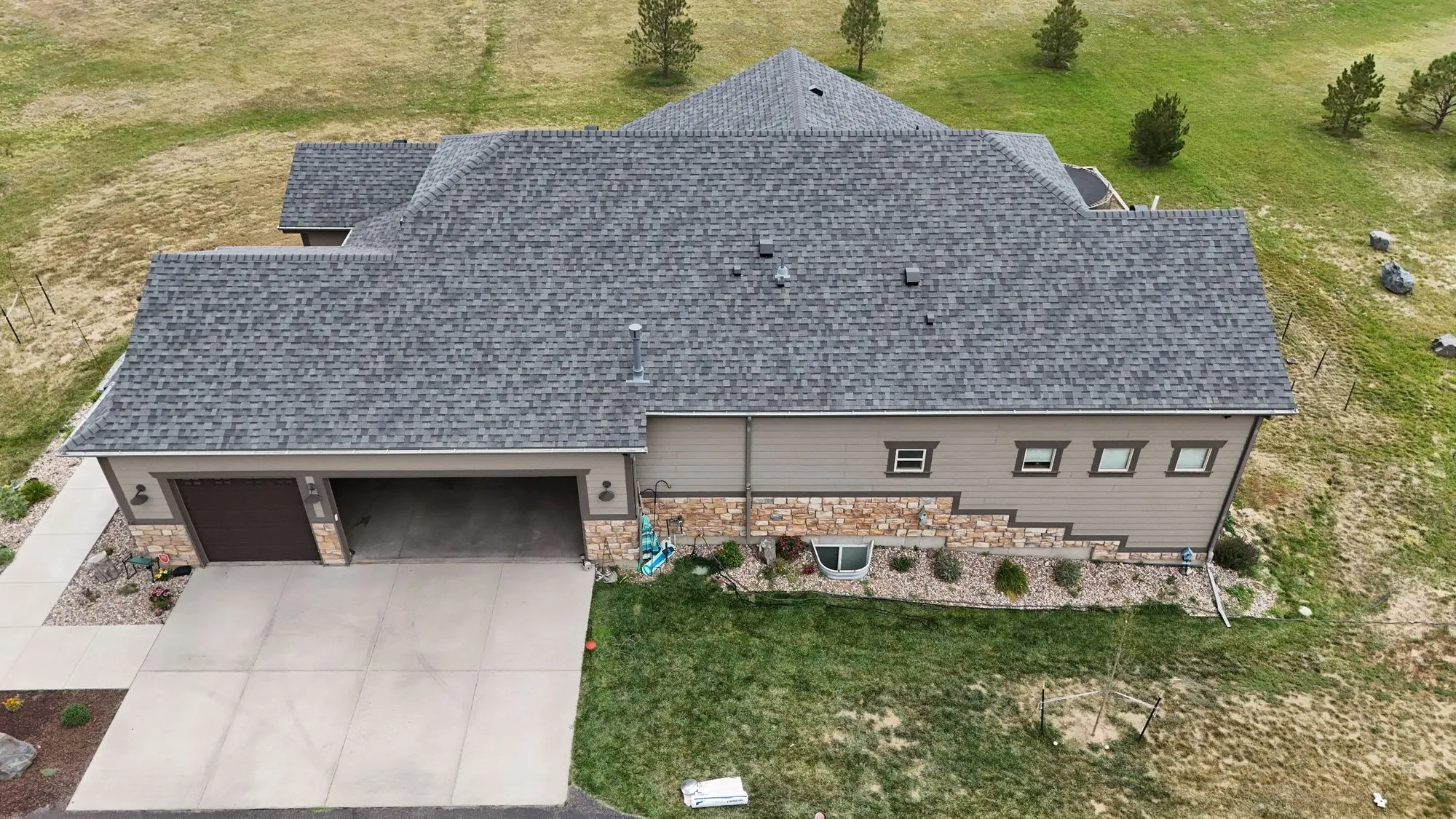
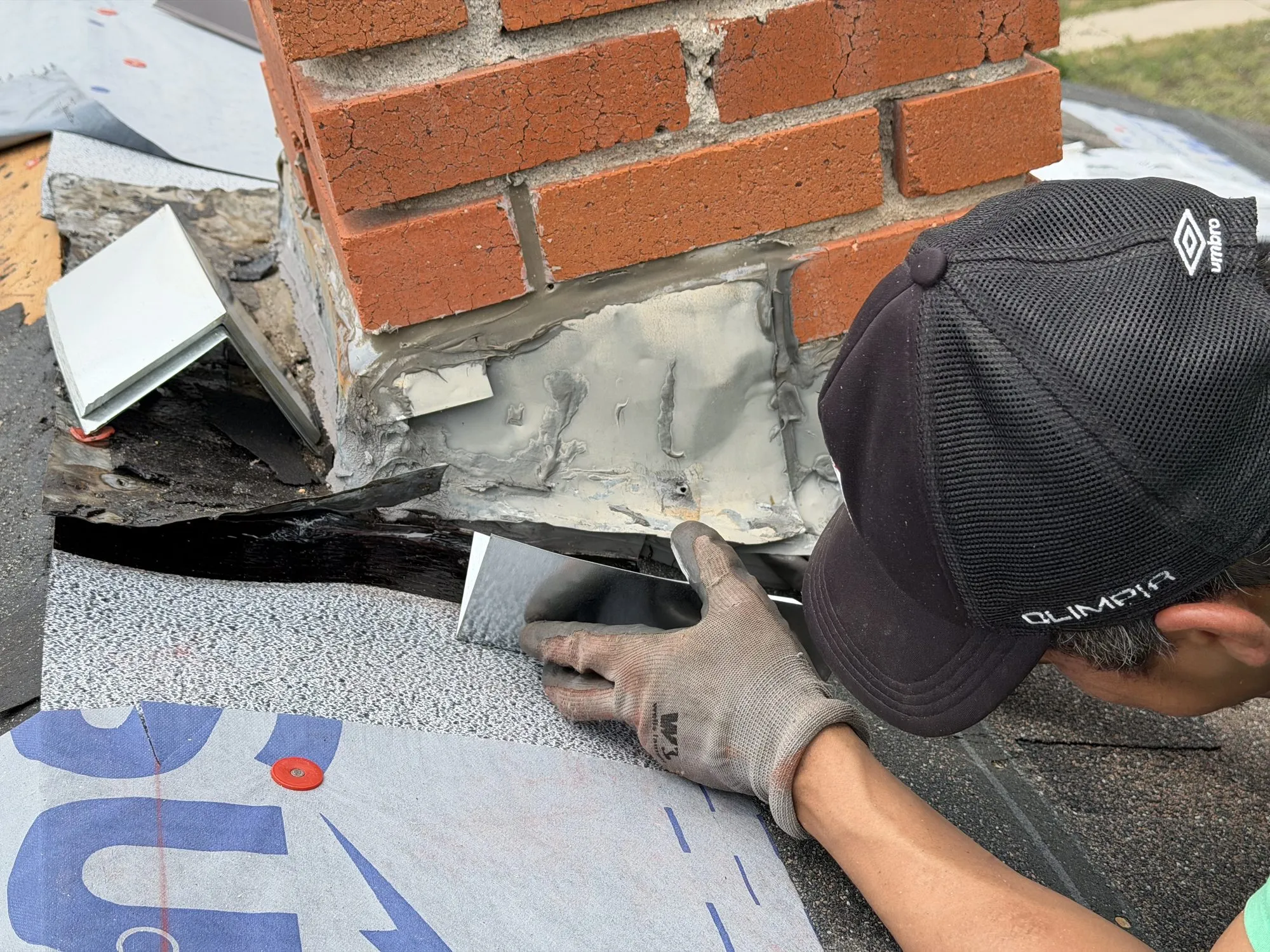
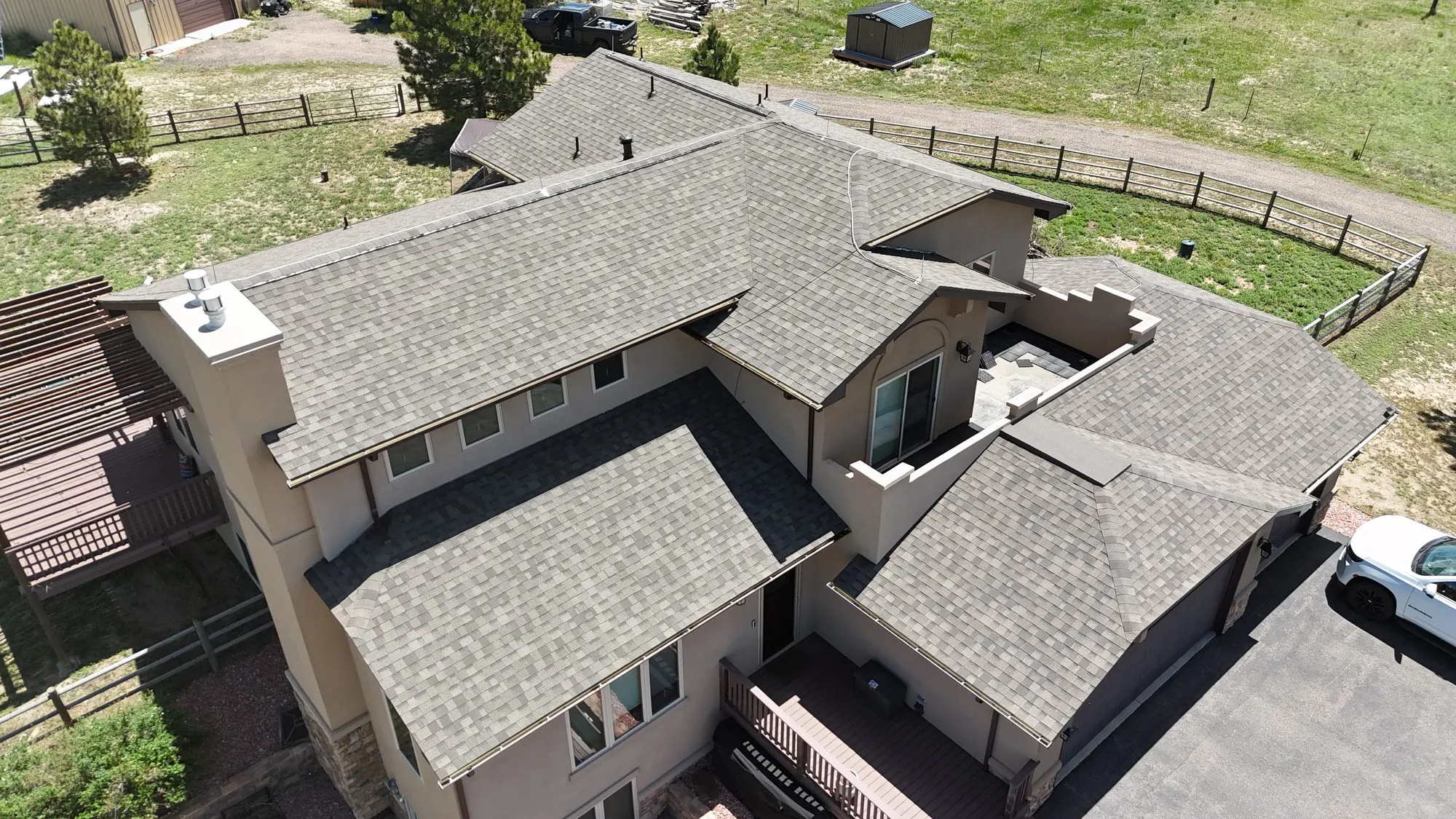
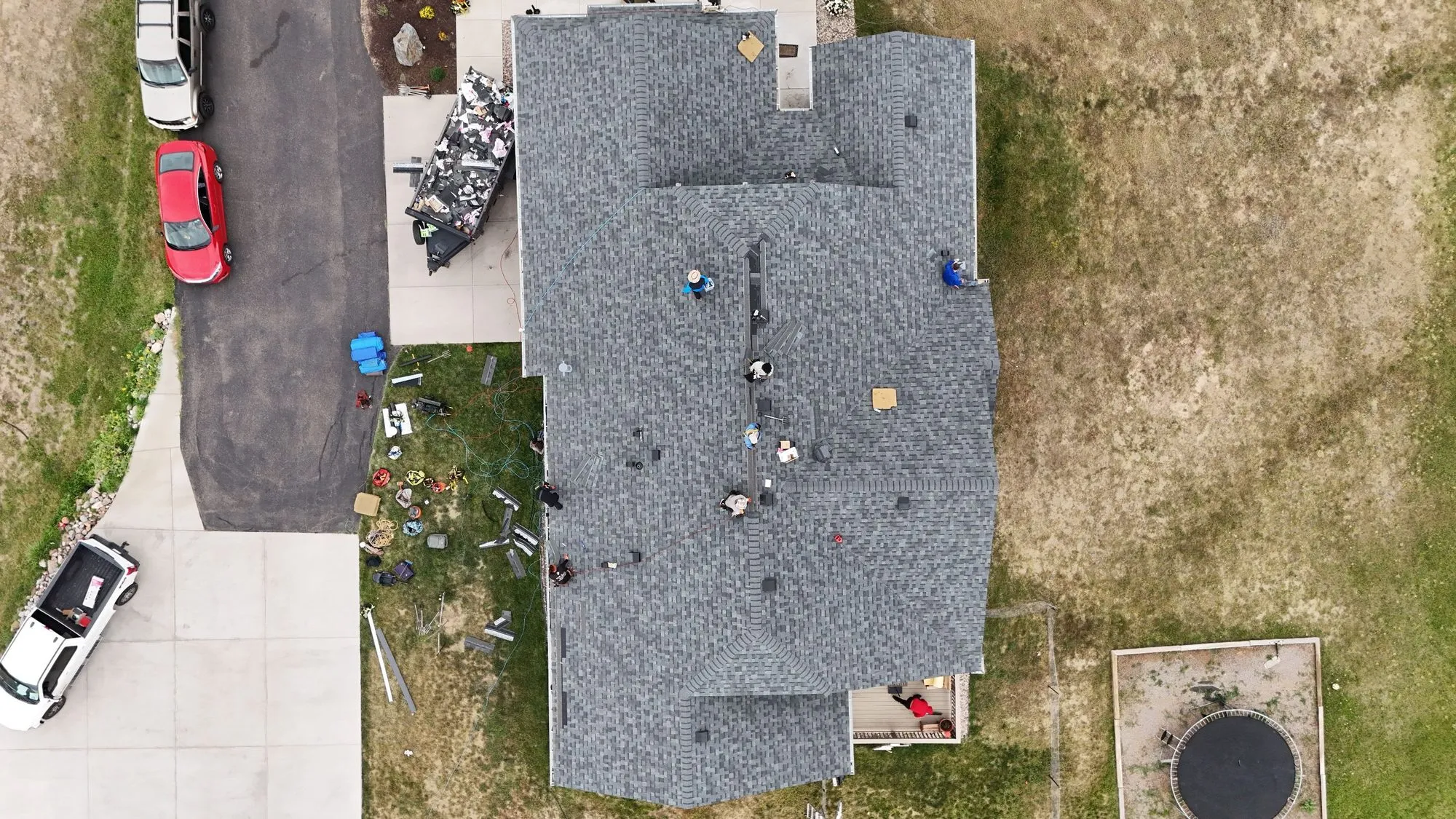
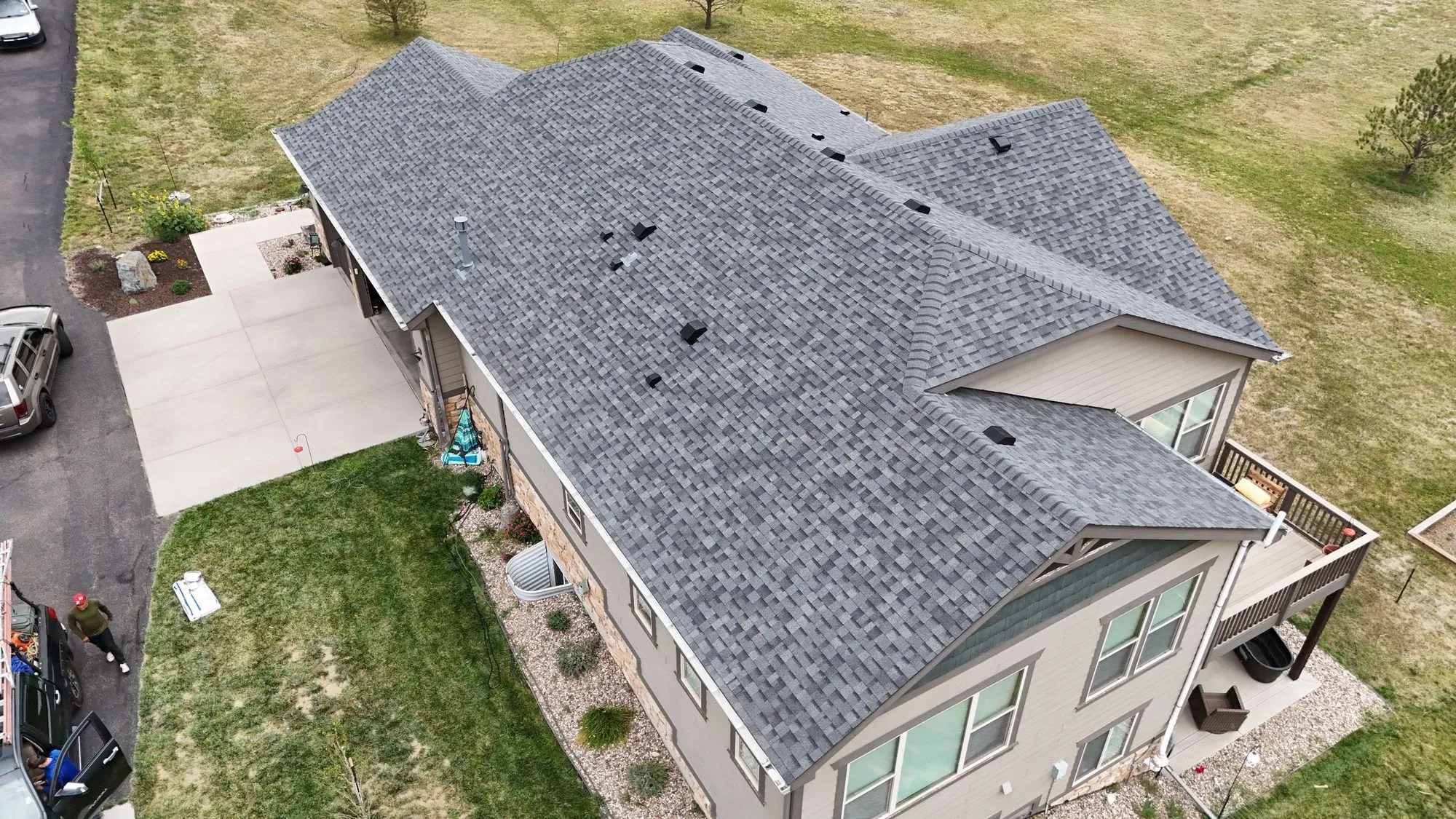
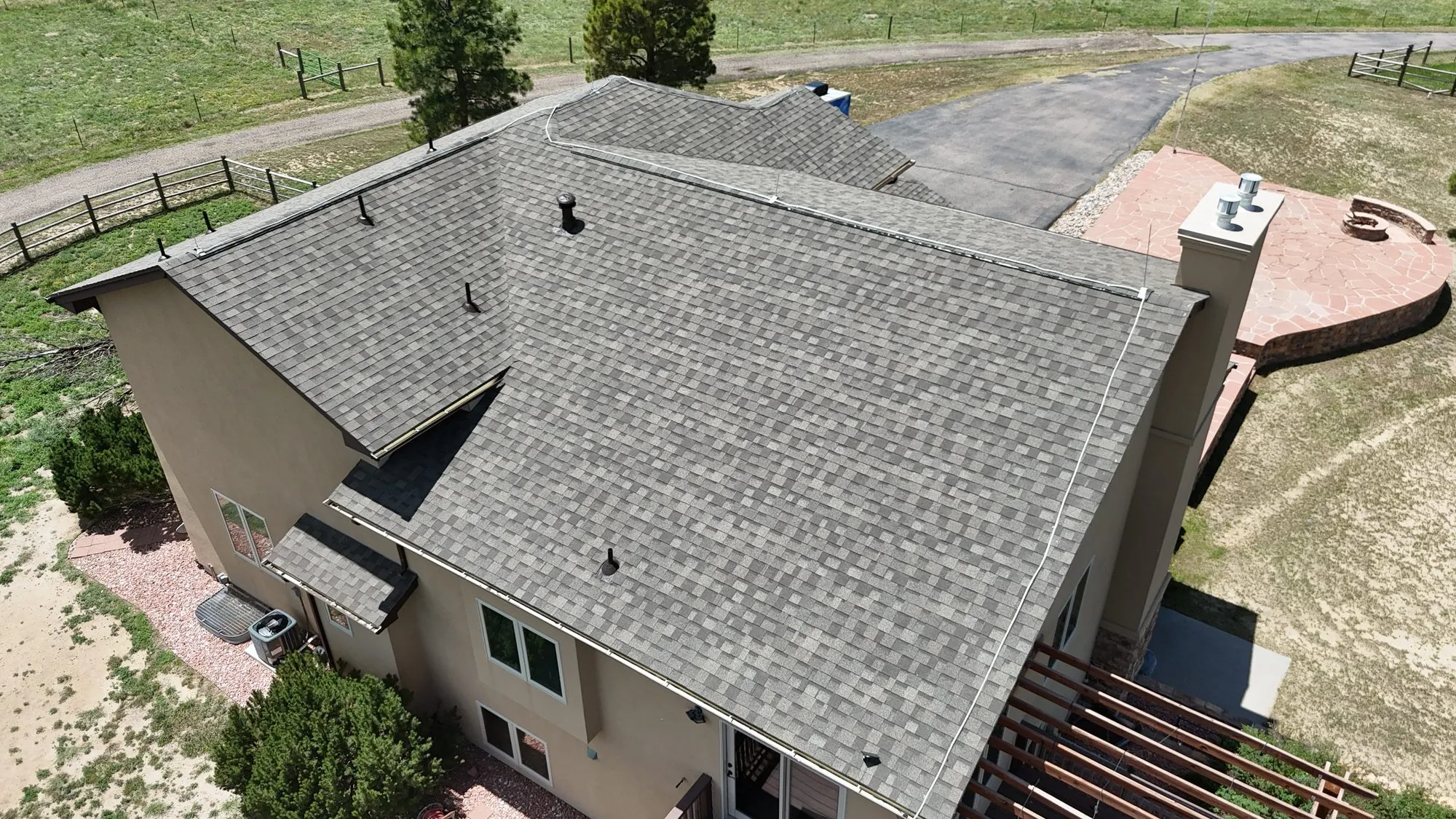
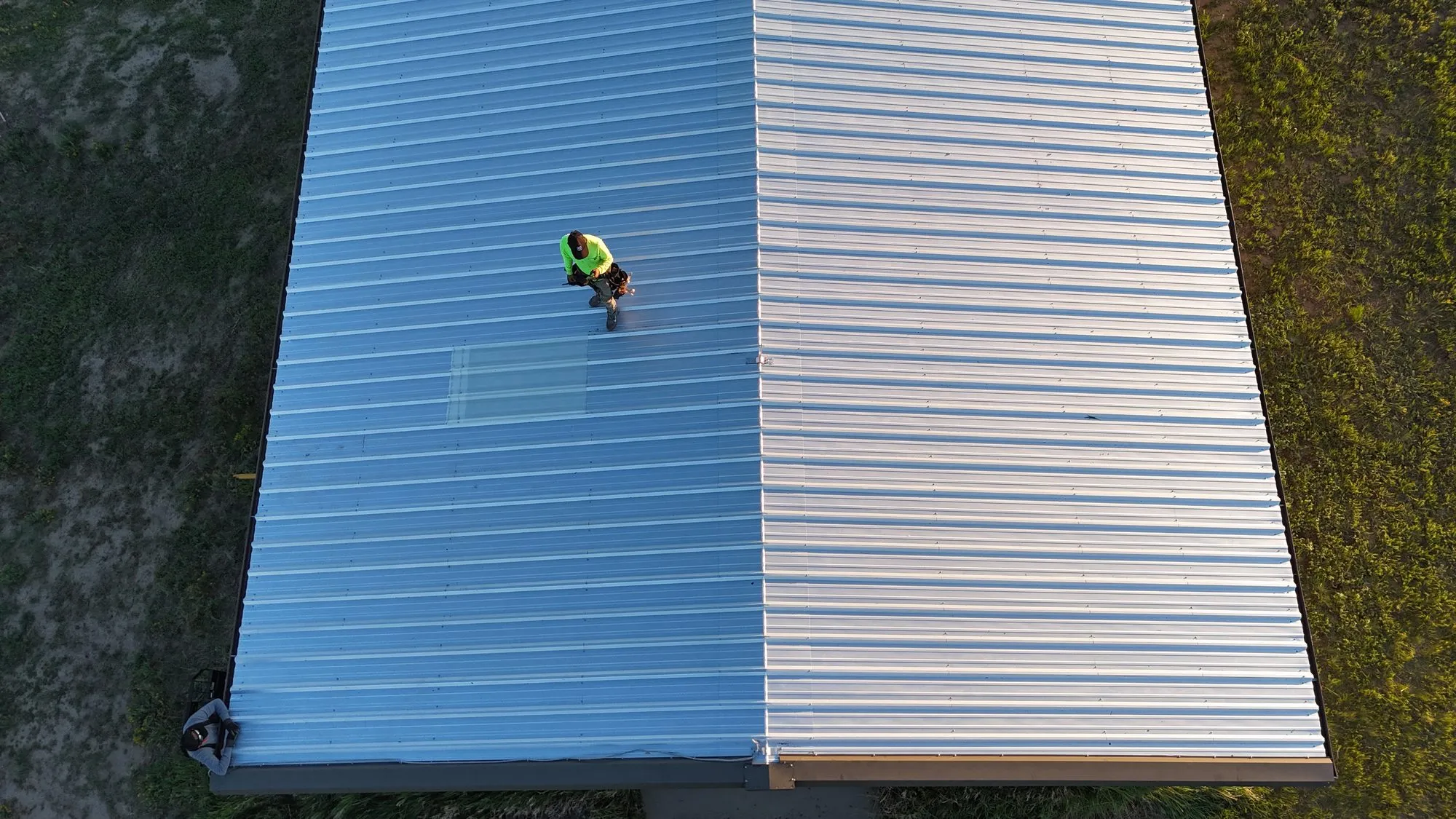
Every photo below is a real Alta job from Colorado Springs and the towns around it: 10 photographs of our crews on the roof, finished installs and the details that decide whether a roof lasts, with no stock images and no borrowed work. We've left off addresses, dates and names on purpose, because we won't publish a homeowner's details.
These are Alta's own project photographs from roofs across Colorado Springs, Pueblo and the surrounding towns. We have deliberately not attached addresses, storm dates or customer names to them, because we will not publish a homeowner's details or invent a case study to fill a page. Written case studies with named jobs are coming once we have permission from the homeowners involved.
What a good install actually looks like.
Straight, consistent courses
Shingle lines that stay parallel to the eave across the whole slope. Wandering courses mean the roof was not chalked properly.
Clean valleys
Cut lines that run true, with the underlying membrane fully covered and no exposed fasteners in the water channel.
Proper ridge cap
Manufacturer hip-and-ridge, not field shingles cut down. Cut field shingles are the single easiest sign of a corner-cutting install, and they void most wind warranties.
New flashing, not reused
Bright new step and counter flashing at walls and chimneys, and new pipe boots on every penetration.
Ventilation you can see
Ridge vent or matched static exhaust at one height, with intake at the eaves. Mixed exhaust types on one attic is a mistake we find constantly.
Drip edge on every edge
Metal drip edge along the eaves and the rakes, lapped correctly, so water drops clear of the fascia instead of wicking back behind the gutter.
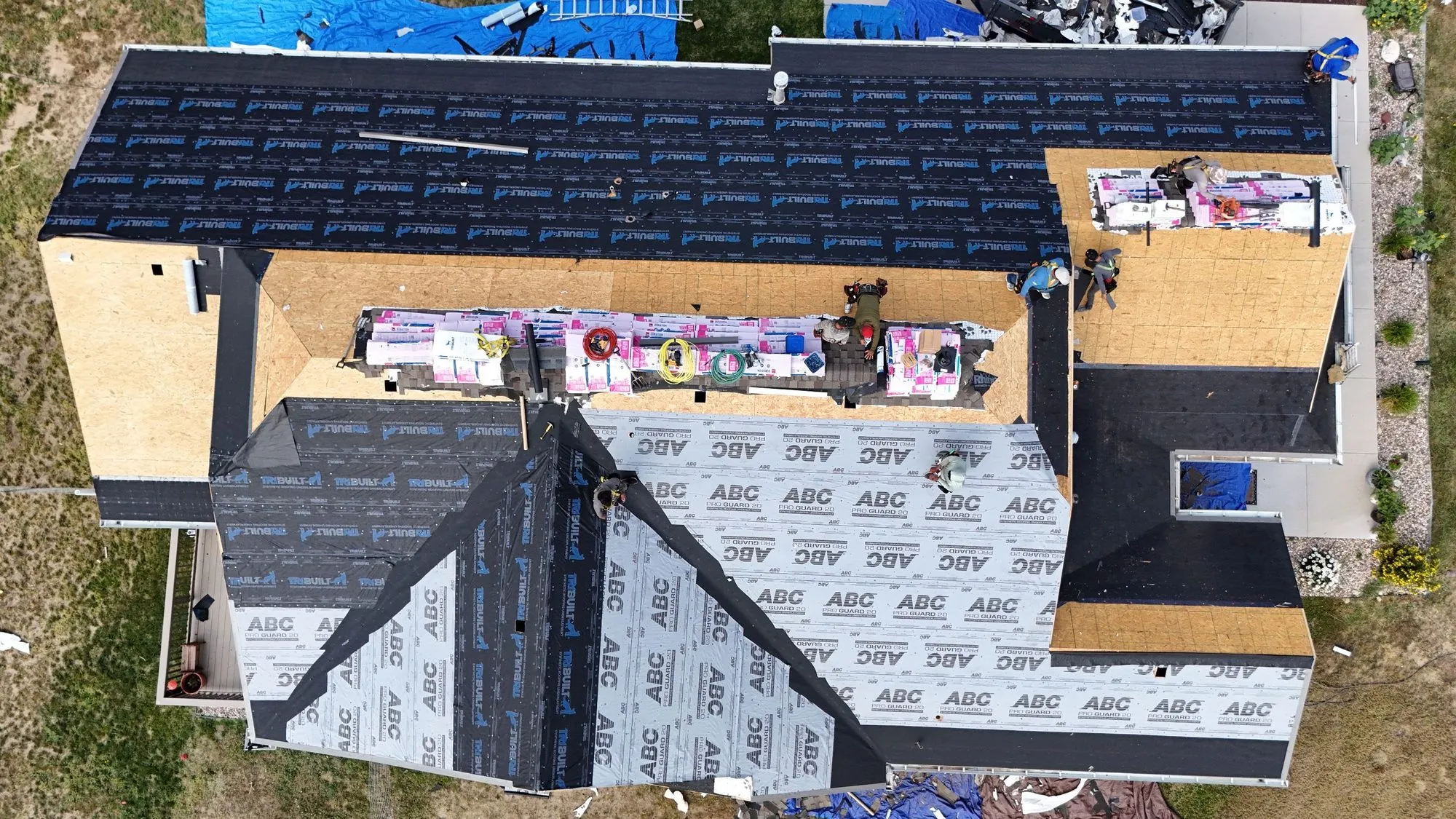
Ice-and-water where water backs up
Self-adhering membrane at the eaves and in the valleys. The International Residential Code calls for the eave barrier to reach at least 24 inches inside the exterior wall line where ice dams form, and at 6,035 feet in Colorado Springs they do.
Nails in the nailing zone
Manufacturers such as IKO and GAF usually call for four nails per shingle, and six for high-wind application, placed inside the marked zone. High or crooked nails are how wind gets a start, especially out on the Pueblo West mesa.
What sits under a finished roof?
A finished roof photo shows the courses, the ridge and the flashing. It can't show the decking we replaced, the Lomanco ventilation we sized by Net Free Area, or the permit in the window. That's why every job also gets a written scope, a permit through the Pikes Peak Regional Building Department, the Pueblo Regional Building Department or the Pueblo County Building Division, and photographs at each stage from tear-off to ridge.
Ask any roofer you're considering for that record from a past job. If they can't produce one for somebody else's roof, you won't get one for yours. Ours comes with the manufacturer warranty registered in your name and Alta's lifetime workmanship warranty in writing.
Want your roof to be the next one?
Book a free inspection and we'll show you exactly what we'd do, and what your insurance should cover.