

Colorado Hail Repair: Expert Solutions for Your Vehicle
Why Acting Fast on Colorado Hail Repair Matters

Colorado hail repair services restore vehicles damaged by hailstorms using specialized techniques like Paintless Dent Repair (PDR). Here's what you need to know:
Quick Answer for Colorado Hail Repair:
- Best Method: Paintless Dent Repair (PDR) preserves factory paint and costs less
- Insurance Coverage: Most comprehensive policies cover hail damage with $0 out-of-pocket
- Timeline: 7-10 business days for typical repairs after insurance approval
- Average Cost: $2,000-$14,000 depending on damage severity
- No Rate Increase: Hail claims are "Act of God" events that won't raise your premiums
Colorado sits in Hail Alley, where storms drop hail up to 4 inches wide—sometimes even grapefruit-sized. When a hailstorm leaves your vehicle covered in dents, you face a ticking clock. Insurance companies set strict filing windows, and unrepaired damage only gets worse.
The good news? Most Colorado residents with comprehensive insurance pay nothing out-of-pocket for repairs. Many shops cover deductibles up to $1,000 and provide free rental cars during the repair process.
Time is critical. Delays can complicate insurance claims, lower your vehicle's resale value, and even lead to a total loss declaration if damage worsens. The right repair shop will handle your insurance coordination, provide a lifetime warranty, and use PDR to restore your vehicle to like-new condition—often in under two weeks.
I'm Barry Goers, founder of Alta Roofing, Inc., and I've spent years helping Colorado property owners steer complex storm damage repairs and insurance claims. Whether it's your vehicle or your home, understanding the Colorado hail repair process means faster recovery and better outcomes.
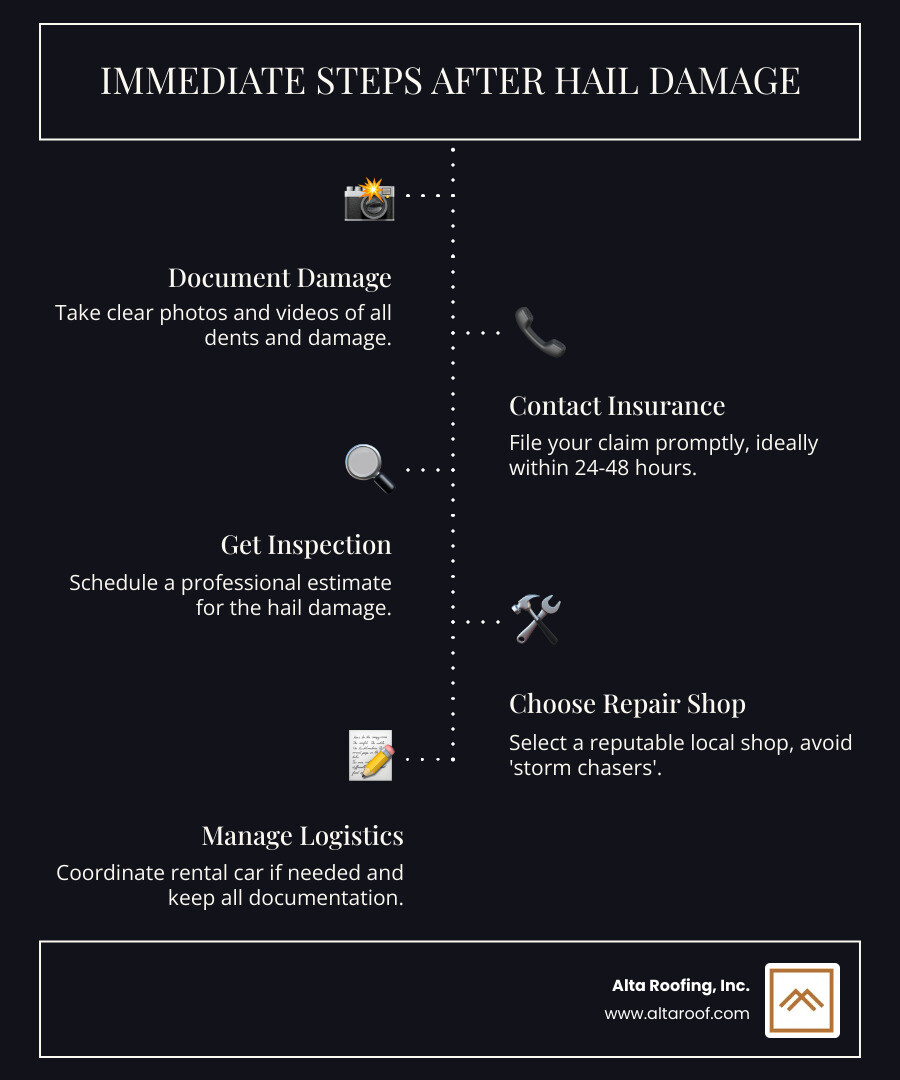
What to Do Immediately After a Hailstorm
A hailstorm can strike quickly, leaving behind a trail of damage. For vehicle owners across Colorado—from Denver and Aurora to Colorado Springs and Castle Rock—knowing what to do in the immediate aftermath can save you time, money, and stress. We've seen it countless times: quick, informed action makes all the difference.
First and foremost, prioritize safety. Once the storm has passed and it's safe to go outside, you'll want to assess the damage to your vehicle.

Document the Damage Thoroughly
This is your first and most crucial step. We recommend taking extensive photos and videos of all affected areas of your vehicle. Don't just focus on the obvious dents; capture overall shots, close-ups, and even the surrounding environment. This visual evidence will be invaluable for your insurance claim. Note the date and time the damage occurred. The goal is to create a clear, undeniable record of the hail's impact.
Protect Your Vehicle from Further Damage
If your windshield or windows are cracked, or your sunroof is damaged, take immediate steps to prevent water from entering your vehicle. Use tarps, plastic sheeting, or even heavy-duty tape to cover any openings. Water damage can quickly escalate repair costs and even lead to a total loss, so this preventative measure is key.
Contact Your Insurance Agent Promptly
Once you've documented the damage, contact your insurance provider as soon as possible. Most comprehensive insurance policies cover hail damage, and it's typically considered a "no-fault" or "Act of God" claim, meaning it generally won't affect your insurance rates. However, there's often a limited window (sometimes as little as 24-48 hours) to file a claim. Delaying could complicate the process. We'll dive deeper into the insurance process shortly, but for now, the priority is to get the claim filed.
Avoid 'Storm Chasers'
After a significant hailstorm, you might encounter out-of-state companies, often referred to as "storm chasers," who come into areas like Thornton, Lakewood, and Elizabeth to offer quick repairs. While some may be legitimate, many are not. They might offer deals that sound too good to be true, perform shoddy work, or disappear before the job is complete. We strongly advise against engaging with unsolicited offers. Always choose a reputable, local Colorado hail repair specialist with a proven track record.
Find Temporary Cover
If possible, move your vehicle to a covered area, such as a garage or carport, to protect it from subsequent storms or falling debris. This is especially important in Colorado, where one hailstorm can often be followed by another.
By taking these immediate steps, you're setting yourself up for a smoother, less stressful Colorado hail repair experience.
Understanding Your Repair Options: PDR vs. Traditional Body Work
When it comes to fixing hail damage, you generally have two main options: Paintless Dent Repair (PDR) and traditional auto body repair. We've seen that understanding the differences is crucial for making the best decision for your vehicle's value and your wallet.
What is Paintless Dent Repair (PDR)?
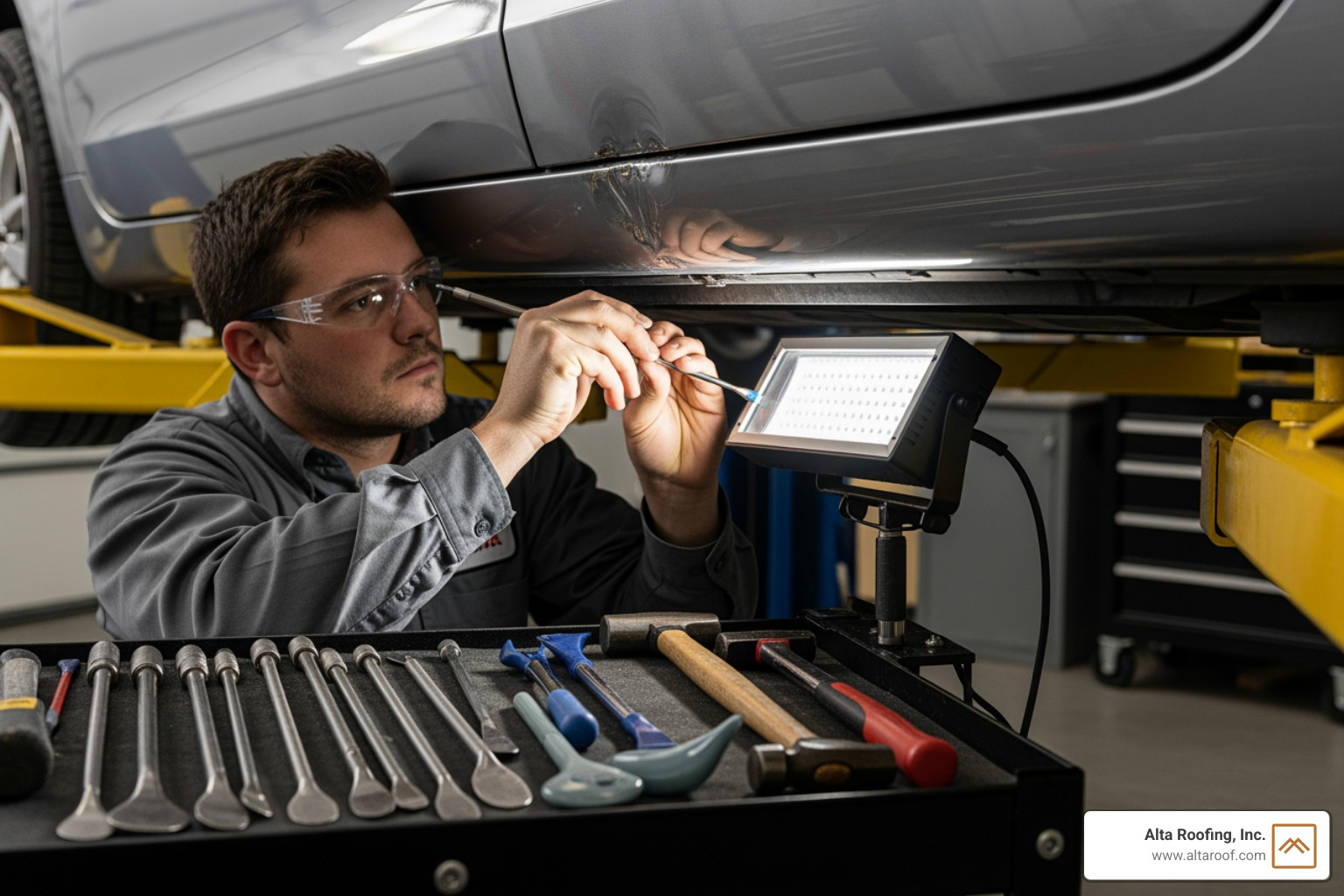
Paintless Dent Repair (PDR) is the preferred method for hail damage repair in Colorado, and for good reason. It’s a highly specialized technique that allows trained technicians to remove dents and dings from your vehicle's body without affecting the original paint finish.
How does it work? PDR technicians use specialized tools to carefully "massage" or push the metal back into its original shape from the underside of the panel. This process requires extreme precision and skill. Because there's no need for sanding, body fillers, or repainting, PDR preserves your vehicle's factory finish and its value. It's also an eco-friendly method, as it avoids the use of chemicals and paints. Many of the top-tier Colorado hail repair shops, especially across the Front Range cities like Arvada, Golden, and Centennial, specialize in PDR.
PDR vs. Traditional Repair for Hail Damage
So, which method is right for your vehicle? Here's a quick comparison to help you understand the key differences:
| Feature | Paintless Dent Repair (PDR) | Traditional Auto Body Repair |
|---|---|---|
| Cost | Generally less expensive (can be $0 out-of-pocket with insurance) | Typically more expensive due to labor and materials |
| Time | Faster, often 7-10 business days for typical hail damage | Slower, can take weeks due to painting and drying |
| Value Retention | Preserves original factory paint, maximizing resale value | Involves repainting, which can slightly diminish original value |
| Damage Fixed | Dents where paint is intact and metal isn't overly stretched | Any damage, including deep dents, creases, and cracked paint |
| Process | Specialized tools reshape metal from behind | Sanding, filling, priming, painting, clear coating |
For most hail damage, PDR is the superior choice. It’s quicker, more affordable (especially with insurance), and maintains the integrity and value of your vehicle.
When is PDR Not an Option?
While PDR is incredibly effective, it's not a magic bullet for every type of damage. There are specific scenarios where traditional repair methods become necessary:
- Cracked or Chipped Paint: If the hail impact has broken through your vehicle's paint, PDR alone won't be sufficient. The area will need to be repainted.
- Overly Stretched Metal: Extremely deep or sharp dents can stretch the metal beyond its elastic limit, creating an "oil can" effect or "soup bowls" that PDR cannot fully resolve. In these cases, even if the paint is intact, traditional bodywork might be needed to achieve a perfect finish.
- Aluminum Panels: While some PDR technicians can work on aluminum, it's more challenging than steel. Aluminum is stiffer and has less memory, making it harder to reshape without causing further damage. Repairing aluminum typically costs about 25% more and requires specialized skills.
- Inaccessible Dents: If a dent is in an area that technicians cannot reach with their specialized tools (e.g., certain structural components), PDR might not be possible.
- Previous Bodywork: If a panel has been previously repaired using traditional methods (fillers, paint), PDR is generally not an option, as the previous repair might crack or fail.
- Plastic Panels or Rocker Panels: PDR is designed for metal. Plastic bumpers or rocker panels that are dented or cracked will require different repair techniques, often involving heat, reshaping, or replacement.
A reputable Colorado hail repair shop will always perform a thorough assessment to determine if PDR is the best course of action or if a hybrid approach combining PDR with traditional repair is needed.
Navigating the Insurance Claim Process for Colorado Hail Repair
Dealing with insurance can feel like a maze, but for Colorado hail repair, we want to assure you it’s often a straightforward process, especially with the right guidance. Most hail damage claims in Colorado are covered by comprehensive insurance, often with $0 out-of-pocket expense for the vehicle owner.
Filing Your Hail Damage Claim
Here’s how we recommend approaching the insurance claim process:
- Contacting Your Insurer: As mentioned, call your insurance company as soon as you've documented the damage. Explain that your vehicle sustained hail damage and you wish to file a comprehensive claim. Hail damage is considered a 'no-fault' or 'Act of God' claim in Colorado, meaning it typically does not affect insurance rates.
- Obtain a Claim Number: Your insurer will assign you a claim number. Keep this number handy, as you'll need it for all future communications.
- Scheduling an Adjustment: Your insurance company will likely want to send an adjuster to inspect your vehicle and provide an initial estimate. While you can schedule this at your home or workplace, many Colorado hail repair shops prefer to handle this directly. They can ensure the adjuster sees all the damage under proper lighting, which often leads to a more accurate estimate.
- Your Right to Choose a Shop: This is crucial. Your insurance company cannot dictate where you get your vehicle repaired. You have the right to choose any reputable shop in Colorado, whether it's in Parker, Highlands Ranch, or Fountain. Don't feel pressured to use their "preferred" network if you've found a local specialist you trust.
- The Supplement Process: Initial estimates often miss damage, especially with hail. A good Colorado hail repair shop will conduct its own thorough inspection using specialized PDR lights. If their estimate is higher than your insurance company's initial assessment, they will negotiate "supplements" directly with your insurer. This is a common and necessary part of the process to ensure your vehicle is fully restored to its pre-loss condition. We've seen cases where initial estimates were drastically low, but a skilled repair shop successfully negotiated with the insurer to cover the true cost of comprehensive repair.
Understanding Total Loss from Hail
Sometimes, the extent of hail damage can lead to a "total loss" declaration. This typically happens when the cost to repair the vehicle exceeds a certain percentage of its actual cash value (ACV) at the time of the loss. While there are no specific laws in Colorado that define a total loss threshold, it's a business decision made by the insurance company based on their guidelines.
- Repair Cost vs. Vehicle Value: If your car is an older model or has a lower market value, even moderate hail damage can push it into total loss territory. For example, a $7,000 car with severe damage (broken glass, lights, and extensive dents) might be totaled, whereas a $30,000 new car with similar damage might still be repairable.
- Colorado Salvage Title Laws: Interestingly, Colorado motor vehicle law specifically exempts a total loss due to hail from requiring a salvage title. This is good news for owners who choose to retain and repair a hail-damaged vehicle.
- Keeping a Totaled Vehicle: If your vehicle is declared a total loss, your insurer will offer you the ACV. You might have the option to keep the vehicle (and receive a lower payout), but be aware that you might not be able to get comprehensive or collision coverage on it afterward. If the insurer takes possession, they are essentially "buying" the vehicle from you and would pay any sales tax owed on that purchase.
- GAP Insurance: If your claim payment doesn't cover your loan amount, you are responsible for the difference. This is where GAP (Guaranteed Asset Protection) insurance comes in, covering the difference between the claim payout and your outstanding loan balance.
State-Specific Regulations for Colorado Hail Repair
Colorado has some specific nuances when it comes to auto insurance and hail damage, which we believe are important for every vehicle owner to know:
- No-Fault Claim Status: As highlighted, hail damage is universally treated as a "no-fault" or "Act of God" claim. This means you are not considered at fault for the damage.
- No Rate Increase for Single Claim: Under Colorado law, your insurance rates generally cannot be increased solely because you filed a single hail damage claim. Insurance companies cannot single you out for a rate hike due to an event outside your control. However, it's worth noting that after major hail events, insurers might increase "areas of risk," which could lead to slight premium increases for everyone in a geographic area, even if they didn't file a claim.
- Consumer Protection: The Colorado Division of Insurance (DORA) provides valuable resources and answers to frequently asked questions about hail storms and insurance. We encourage you to review their After a Hail Storm - Insurance FAQs for more detailed information.
- #NoRoofScams Campaign Awareness: While this campaign primarily targets roofing fraud, the principle applies to auto hail repair as well. Be cautious of contractors who pressure you, demand large upfront payments, or promise to waive your deductible without transparently explaining how. Always protect yourself by working with reputable, established local businesses.
Choosing a Reputable Hail Repair Shop in Colorado
Selecting the right Colorado hail repair shop is perhaps the most critical decision you'll make after a hailstorm. We've seen the difference a quality shop can make, not just in the final repair but in the entire experience. Your goal is to find a local specialist who will restore your vehicle flawlessly, handle the insurance complexities, and provide peace of mind.
Key Qualities of a Top-Tier Shop
Here’s what we look for in a reputable Colorado hail repair specialist, especially for those in our service areas like Castle Pines, Monument, and Woodland Park:
- Local and Established: Choose a company with a physical presence and a long history in Colorado. Businesses like Colorado Hail Masters, with over 22 years of service in Southern Colorado, or Elite Hail Systems, voted 'Best of the Best' in 18 cities for six consecutive years, are examples of established local expertise. This ensures they’ll be there if you need them later, unlike transient "storm chasers."
- PDR Specialization: As discussed, PDR is the preferred method for most hail damage. Look for shops that highlight their PDR expertise, skilled technicians (some boast 20+ year PDR lead techs), and state-of-the-art tools.
- Lifetime Warranty: A reputable shop should offer a lifetime warranty on their PDR services, guaranteeing the repairs for as long as you own or lease the vehicle. Companies like Hail Medic, StormWise, and Hail Inc. proudly offer this. This shows confidence in their workmanship.
- Deductible Assistance: Many top Colorado hail repair shops offer to cover all or a portion of your insurance deductible (often up to $1,000). This can result in truly $0 out-of-pocket expenses for you. Always ask how they manage this transparently.
- Free Rental Car Coordination: Being without your vehicle is inconvenient. The best shops will coordinate a free rental car for you during the repair process, even if your insurance doesn't cover it. Some even offer valet services, picking up your car and dropping off the rental.
Common Mistakes to Avoid
We often see vehicle owners make preventable errors that can lead to frustration and subpar repairs:
- Choosing the Insurer's Preferred Shop Without Research: While insurance companies have "preferred" networks, these shops are often chosen for their cost-effectiveness for the insurer, not necessarily for their quality or customer service for you. You have the right to choose your own shop; exercise it wisely.
- Not Getting a Written Warranty: Never proceed with repairs without a clear, written lifetime warranty. This protects your investment and ensures recourse if any issues arise.
- Paying Out-of-Pocket for Deductibles Without Understanding the Terms: If a shop offers to cover your deductible, ensure it's done transparently and legally. Some less scrupulous businesses might cut corners to cover the deductible, leading to compromised repair quality. A good shop will explain how they achieve the $0 out-of-pocket goal through legitimate means.
- Ignoring Bad Reviews: Online reviews (Google, Yelp, BBB) are a powerful tool. Pay attention to consistent negative feedback, especially regarding repair quality, communication, or customer service. Conversely, look for shops with overwhelmingly positive reviews that highlight professionalism, efficiency, and excellent results.
Questions to ask a repair shop:
- Do you specialize in Paintless Dent Repair for hail damage?
- What kind of warranty do you offer on your repairs?
- How do you handle the insurance claims process, including supplements?
- Do you offer deductible assistance or waive deductibles?
- Can you arrange for a rental car during the repair period?
- How long do you estimate the repairs will take?
- Can you provide references or show examples of your work?
- Are you a locally owned and operated business with a physical location?
By being diligent and asking the right questions, you can ensure your vehicle receives the expert Colorado hail repair it deserves.
Frequently Asked Questions about Cost, Timelines, and Vehicle Value
We understand you have questions about the practical aspects of Colorado hail repair – how much it costs, how long it takes, and what it means for your car's value. Let's break down these common concerns.
How much does Colorado hail repair cost and will I have out-of-pocket expenses?
The cost of Colorado hail repair can vary significantly. For light damage, you might expect costs around $2,000, while severe damage requiring panel replacement can exceed $14,000. The average cost in Colorado can range from $2,000 for light damage to over $14,000 for severe damage.
However, the good news for most vehicle owners in Denver, Aurora, and across the Front Range is that hail damage is typically covered by your comprehensive insurance policy. Many top-tier Colorado hail repair shops aim for a "$0 out-of-pocket" experience for you. This is achieved through:
- Comprehensive Insurance Coverage: This is your primary shield. As we've discussed, it covers hail damage as an "Act of God."
- Deductible Assistance Programs: Many reputable shops offer to cover all or a portion of your deductible, often up to $1,000. This is a common practice to help ease the financial burden on vehicle owners.
- Negotiation with Insurers: Skilled repair shops are adept at negotiating with insurance companies to ensure all damage is properly accounted for and covered, minimizing any potential out-of-pocket costs for you.
So, while the overall cost can be substantial, with the right insurance and a cooperative repair shop, you often won't pay anything beyond your premium.
What is the average turnaround time for hail damage repairs?
The turnaround time for Colorado hail repair depends on several factors, but most reputable shops strive for efficiency. Here's a typical breakdown:
- Initial Evaluation: This usually takes an hour or less. The shop will assess the damage and provide an estimate.
- Insurance Approval: This step can vary. It involves the adjuster inspecting the vehicle and approving the repair plan. Some insurance companies are quicker than others.
- PDR-Only Repairs: If your vehicle primarily needs PDR, the repair itself is often quite fast. Many shops can complete PDR work in 7-10 business days after receiving insurance approval and parts (if any are needed).
- Parts Replacement Delays: If your vehicle requires new panels, glass, or other parts, the repair time can be extended based on parts availability.
- Shop Busyness: After a major hailstorm, repair shops in areas like Littleton, Lone Tree, and Englewood can get very busy, which might lead to longer waiting lists for repairs. Elite Hail Systems mentions an entire process that may take 2-3 weeks, with repairs typically taking 7-10 business days after approval.
We recommend asking for a clear timeline upfront from your chosen repair shop. Many will provide weekly updates or even photos of the progress.
How does hail damage affect my car's resale value?
Unrepaired hail damage can significantly diminish your vehicle's resale value. Potential buyers are often hesitant to purchase a car with visible damage, and if they do, they'll expect a substantial discount. Here's why:
- Diminished Value: Even if the damage is purely cosmetic, it signals to buyers that the car has been through a traumatic event.
- Impact of Unrepaired Damage: If you choose to forgo repairs and settle for a cash payout from your insurer, your policy might be flagged with a restriction for the un-repaired damage. This can complicate future insurance claims and further reduce your vehicle's value. Unrepaired damage can also worsen over time, compromising structural integrity or leading to rust if paint is compromised.
- CarFax Reports: While PDR aims to keep hail damage off your CarFax report, if the damage is severe enough to require traditional bodywork or parts replacement, it might appear on the vehicle history report, further impacting resale value.
- Value Restoration Through Quality Repair: High-quality Colorado hail repair, particularly PDR, can effectively mitigate this diminished value. By restoring your vehicle to its pre-loss condition without affecting the factory paint, you preserve its aesthetic appeal and market worth. We believe that investing in proper repair is an investment in your vehicle's long-term value.
- Importance of PDR: Because PDR preserves the original factory paint, it's the best way to ensure your vehicle looks as good as new, helping it retain as much of its resale value as possible.
Conclusion
We've covered a lot about Colorado hail repair, and we hope this guide empowers you to steer the process with confidence. Remember these key takeaways:
- Act Quickly: Document damage, contact your insurer, and protect your vehicle from further harm immediately after a hailstorm. Time is truly of the essence for claims and preventing escalating damage.
- Choose PDR When Possible: For most hail damage, Paintless Dent Repair (PDR) is the superior method, preserving your vehicle's original finish and value while being faster and often more affordable.
- Vet Your Repair Shop Thoroughly: Opt for local, reputable Colorado hail repair specialists with strong warranties, PDR expertise, and a commitment to customer service, including deductible assistance and rental car coordination. Avoid storm chasers and don't blindly follow your insurer's recommendations.
- Protect Your Investment: Quality repair not only restores your vehicle's appearance but also safeguards its resale value and prevents future issues. Most hail damage claims are covered by comprehensive insurance with little to no out-of-pocket cost.
While your vehicle is a top priority, hail can also cause significant damage to your home's roof. For a complete storm restoration solution, including expert management of your homeowner's insurance claim, trust a local specialist like Alta Roofing, Inc. to handle all aspects of your property's recovery. We're here to be your single point of contact for comprehensive storm damage restoration across Denver, Aurora, Thornton, Lakewood, Colorado Springs, Castle Rock, Manitou Springs, Elizabeth, Parker, Golden, Arvada, Woodland Park, Highlands Ranch, Littleton, Lone Tree, Fountain, Centennial, Englewood, Castle Pines, and Monument.
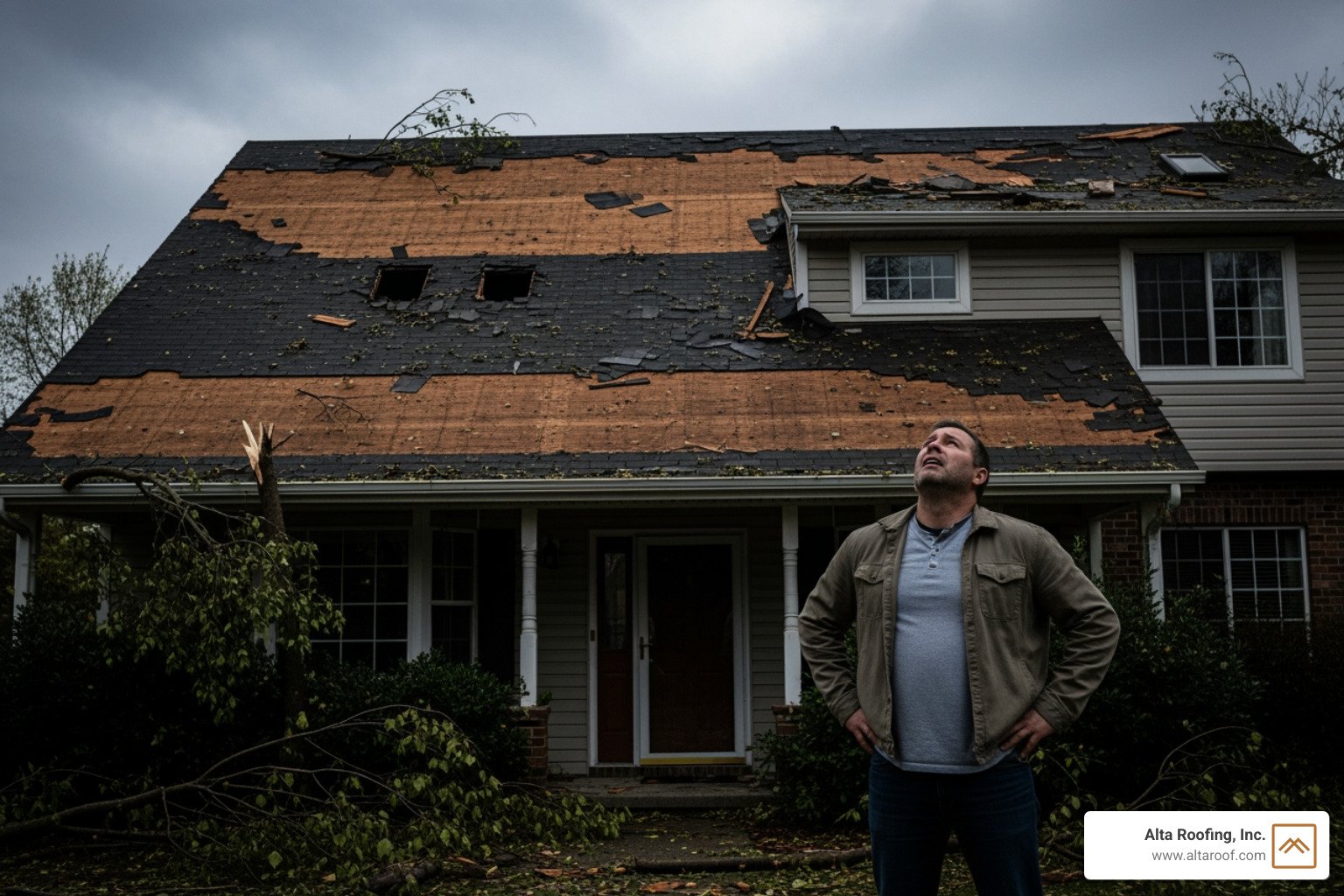
Your Insurance Claim Lifeline: Finding the Right Support
Why Getting Help with an Insurance Claim Matters
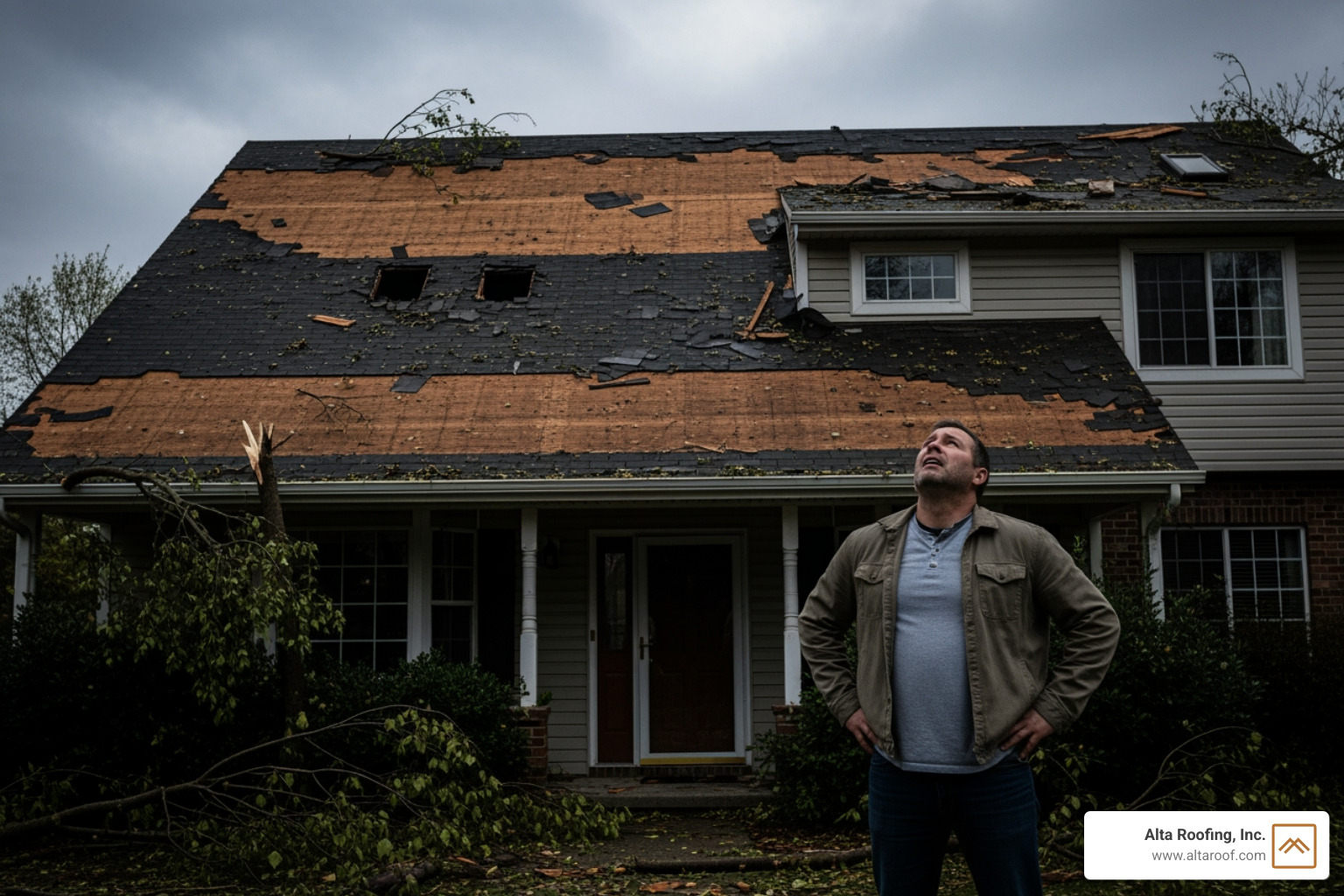
Help with an insurance claim can make the difference between a fair settlement and a financial burden. Here's what you need to know:
Quick Guide to Getting Insurance Claim Support:
- Document everything - Take photos/videos of all damage immediately
- Contact your insurer - Report the loss as soon as possible (within 90 days to 1 year depending on your policy)
- Review your policy - Understand your coverage limits, deductibles, and exclusions
- Get professional inspection - A contractor or public adjuster can assess damage accurately
- Work with the adjuster - Be present during inspections and provide thorough documentation
- Negotiate if needed - Don't accept the first offer if it seems low; gather independent estimates
When a storm damages your Colorado home, you face a complex process of insurance jargon, deadlines, and negotiations. For most homeowners, filing a major claim is a new and high-stakes experience. The good news? You don't have to do it alone.
The claim process has multiple stages, and understanding them helps avoid costly mistakes. Many homeowners are unaware of policy time limits for filing claims and resolving disputes, which can lead to denials or reduced settlements.
Professional support matters. Research shows that insurance companies are more likely to take seriously the assessments provided by experienced contractors who understand property damage and the language adjusters use. A knowledgeable contractor acts as your advocate, pointing out overlooked damage and ensuring you receive fair compensation.
Insurance policies are legal contracts. The difference between Replacement Cost Value (RCV) and Actual Cash Value (ACV) alone can mean thousands of dollars. RCV pays the full replacement cost, while ACV subtracts depreciation, significantly lowering your payout.
I'm Barry Goers, and through my work in the construction industry and as founder of Tarben Ventures Ltd., I've seen how overwhelming the insurance claim process can be. Having guided countless property owners through complex claims, I know that the right help with an insurance claim can transform a stressful ordeal into a manageable process with a fair outcome.
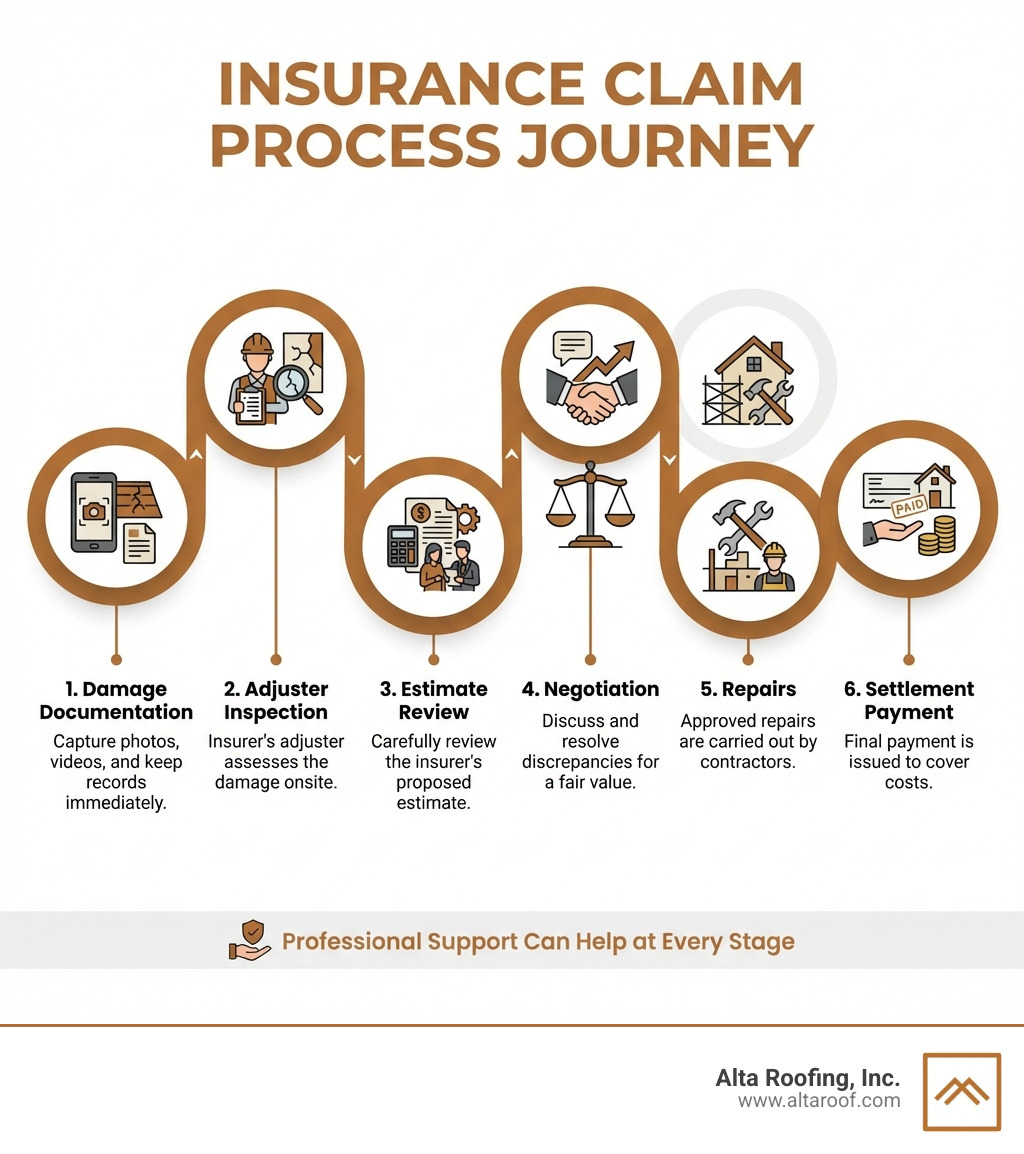
Step 1: Immediate Actions and Documentation After a Loss
When disaster strikes your Colorado home, the first few hours are critical. Immediate action can significantly impact your insurance claim's success. Our goal is to help you protect your property and gather evidence.
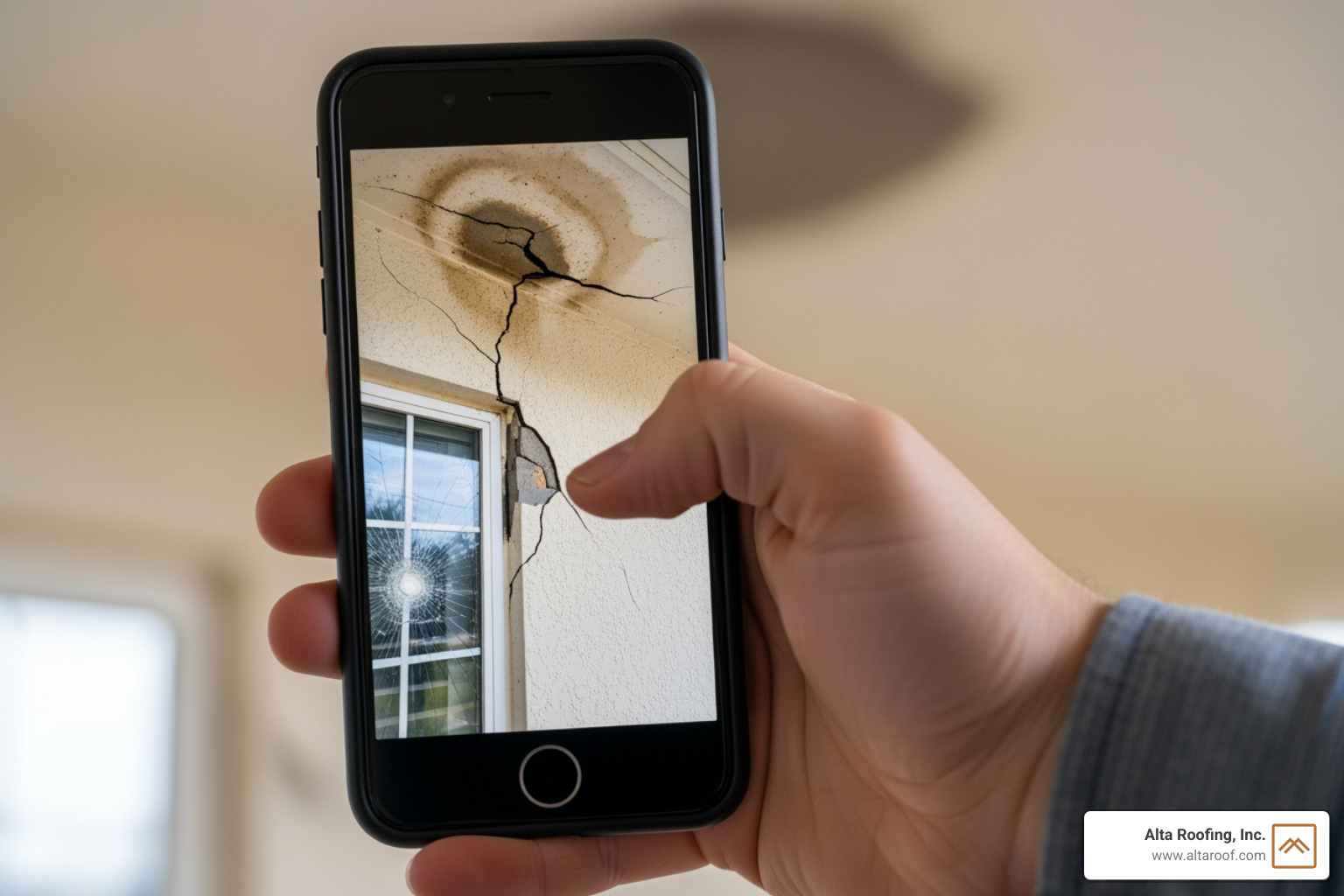
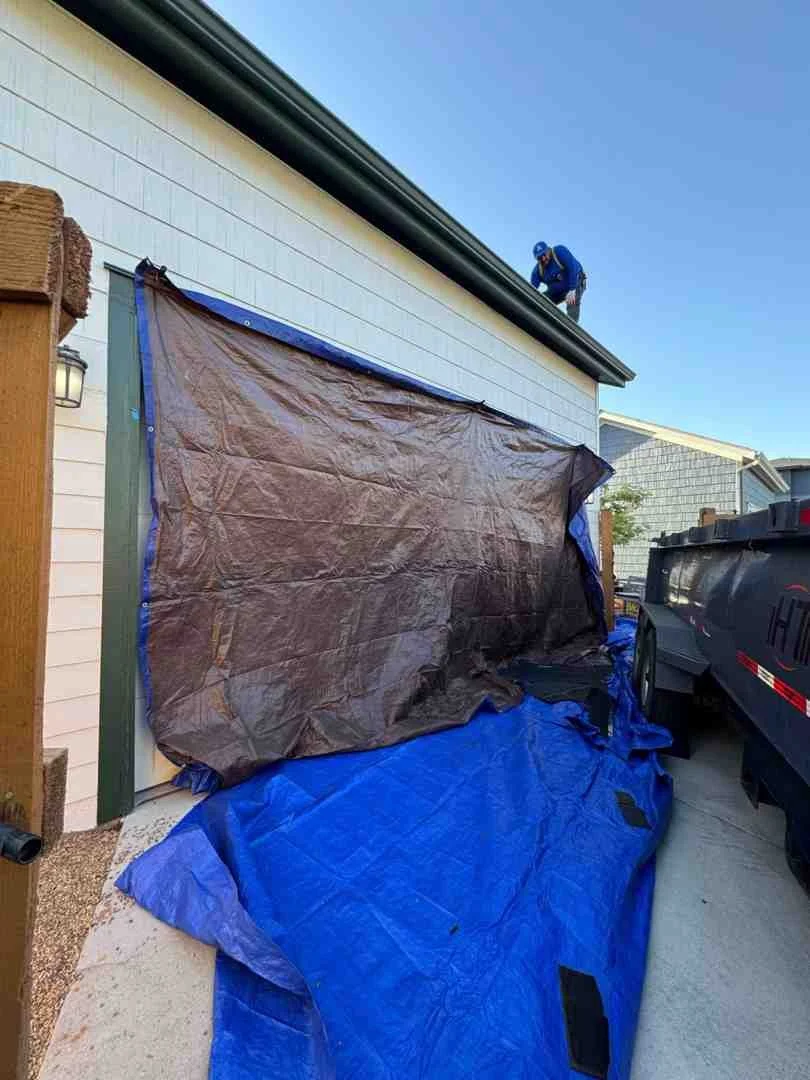
Prioritize safety and evacuate if necessary. Once safe, protect your property from further damage by making reasonable temporary repairs, like tarping a damaged roof in Aurora or turning off the water for a burst pipe in Lakewood. These actions are often required by your policy to prevent jeopardizing your claim. Keep all receipts for these repairs, as they are typically reimbursable.
Next, document everything with your smartphone. Take extensive photos and videos of all damage, inside and out, using both wide shots and close-ups. A pre-existing home inventory is invaluable for substantiating your loss.
If the damage is due to theft or vandalism, file a police report immediately and obtain a copy.
Finally, contact your insurer as soon as possible. Most companies have time limits, from 90 days to 12 months, to submit a claim. When you call, have your policy number ready and provide a clear description of the damage.
What Documentation Do I Need?
Thorough documentation is vital for a smooth process and fair settlement. Gather these essential documents:
- Your Insurance Policy Number: The first thing your insurer will ask for.
- Photos and Videos of the Damage: Visual evidence is incredibly powerful. Date and time-stamp them if possible.
- Receipts for Temporary Repairs: Any money you spend to mitigate further damage should be documented.
- Detailed List of Damaged or Lost Items: Include brand names, model numbers, age, and original purchase price if known.
- Contractor Estimates: A professional's detailed estimate, like from a roofer inspecting hail damage in Castle Rock, is crucial.
- Correspondence Log: Record every interaction with your insurance company, including dates, names, and what was discussed.
- Police Reports: For claims involving theft or vandalism.
- Medical Records/Bills: For personal injury claims, though our focus is on property.
Understanding Your Initial Responsibilities
Your policy outlines responsibilities you must fulfill after a loss to prevent delays or denials.
First, you are responsible for preventing further damage. This means taking reasonable steps like placing tarps over a damaged roof in Manitou Springs to prevent water intrusion. This is often a policy requirement.
Second, do not discard damaged property until the adjuster has inspected it. If you must remove items for safety, document them with photos before disposal.
Third, keep meticulous records of all expenses, including temporary repairs and additional living expenses if your home in Elizabeth becomes uninhabitable.
Finally, report the loss promptly. Most policies require timely notification. Delaying could be seen as a failure to meet your obligations.
For more information about how we can help with restoration services, visit our website: More info about our restoration services.
Step 2: Understanding Your Policy and the Key Players
Navigating an insurance claim requires understanding your policy. It's a legal contract outlining your rights, your responsibilities, and what the insurer is obligated to cover.
We encourage clients in Parker and Golden to review their policy documents. Note your coverage limits (the maximum payout) and your deductible (the amount you pay before coverage begins). For a $15,000 repair with a $1,000 deductible, you pay $1,000 and insurance covers $14,000.
Equally important are the exclusions, which specify what is not covered. Common exclusions include damage from floods, earthquakes, or wear and tear. Understanding these details upfront prevents surprises.

The insurance adjuster is a key figure who inspects the damage to determine the payout. They assess the 'scope of loss'—the extent of damage and materials needed for an estimate—to decide what the insurer will cover.
Replacement Cost Value (RCV) vs. Actual Cash Value (ACV)
One of the most significant distinctions in property insurance is whether your policy covers Replacement Cost Value (RCV) or Actual Cash Value (ACV). This difference can mean thousands of dollars, and it's something we make sure our clients in Arvada and Woodland Park understand.
Actual Cash Value (ACV) policies pay the depreciated value of your damaged property. Depreciation is the reduction in value due to age and wear. For example, if your 10-year-old roof in Highlands Ranch needs replacement, an ACV policy might only pay 50% of the cost, minus your deductible.
Replacement Cost Value (RCV) policies pay the amount needed to replace your damaged property with new items of similar quality, without deducting for depreciation. With an RCV policy, that same roof replacement would be fully covered (minus your deductible). RCV claims are often paid in two stages: an initial payment for the ACV, and a second payment for the recoverable depreciation once repairs are completed.
Here's a quick comparison:
| Feature | Actual Cash Value (ACV) | Replacement Cost Value (RCV) |
|---|---|---|
| Payout Basis | Current market value minus depreciation | Cost to replace with new, similar item |
| Depreciation | Deducted from payout | Not deducted from final payout (may be initially withheld) |
| Initial Check | Often lower, reflecting depreciated value | May be lower (ACV portion), with second check for depreciation |
| Final Payout | Covers depreciated value only | Covers full cost of replacement (after repairs are completed) |
| Cost | Generally lower premiums | Generally higher premiums |
Understanding your policy type is crucial for setting expectations. We can help you review your policy to clarify this detail.
How to Interact with the Insurance Adjuster
The insurance adjuster, employed by your insurer, assesses the damage to determine the settlement. They represent the insurer's interests.
When the adjuster comes to your property in Littleton or Lone Tree, we recommend having your contractor present. An experienced roofing contractor can speak the adjuster's technical language and point out damage that might be overlooked.
During the inspection, be present with your documentation: photos, videos, a list of damaged items, and repair receipts. Be polite but firm in presenting your evidence. Don't be afraid to ask questions about their assessment.
It's also wise to verify the adjuster's identity by asking for their name and company ID. Document all interactions, including the date, time, and details of your conversations. This log can be invaluable if discrepancies arise.
How to Get Professional Help with an Insurance Claim
Dealing with property damage is stressful. Getting professional help with an insurance claim can be a game-changer. For complex storm damage, specialized contractors, public adjusters, or legal counsel provide invaluable support.
For homeowners in Fountain, Centennial, and throughout Colorado, we specialize in being that single point of contact. We help steer the complexities, ensure proper documentation, and work to maximize your settlement so you can get your home back to normal.
The Role of a Specialized Contractor
When it comes to property damage like a storm-damaged roof, a specialized contractor like us plays a pivotal role beyond just making repairs. We act as your advocate throughout the insurance claim process.
- Advocacy: We represent your best interests, ensuring your voice is heard and your claim is handled fairly.
- Damage Assessment Expert: Our team has extensive experience identifying storm damage that might be missed by an untrained eye, from subtle hail impacts to wind-lifted shingles.
- Technical Language: We speak the same technical language as insurance adjusters, allowing for clearer communication and accurate documentation.
- Negotiating with Adjusters: We can be present during the adjuster's inspection to point out all damages. If there's a discrepancy, we provide supporting documentation to help negotiate a fair settlement.
- Ensuring Quality Repairs: Our goal is to restore your home to its pre-damage condition, ensuring repairs meet industry standards and local building codes.
You can see examples of our commitment to quality work and satisfied customers by visiting: See examples of our work.
When to Seek help with an insurance claim
Wondering if you need professional help with an insurance claim? An expert makes a significant difference in these situations:
- Complex Damage: If your home has sustained extensive or unusual damage, a professional ensures every detail is accounted for.
- Large-Loss Claims: For claims involving substantial costs, the stakes are higher. Expert assistance can help secure a more favorable outcome.
- Disagreements with the Adjuster: If you and the adjuster disagree on the damage or repair costs, a contractor can provide an independent assessment to support your position.
- Feeling Overwhelmed: If you're drowning in paperwork and technical jargon, professional help can lift that burden.
- Lack of Time or Expertise: Many homeowners lack the time or knowledge to manage a complex claim. Outsourcing this to an expert lets you focus on your family.
We are experts in handling insurance claims. If you're facing property damage in Castle Pines or Monument, don't hesitate to reach out. We offer consultations to discuss your situation. Contact Us for a consultation.
Step 3: Navigating a Denied Claim or Unsatisfactory Settlement
Even with thorough documentation, you might face a denied claim or an unsatisfactory offer. This is frustrating, but it's not the end. We can help you understand your options and fight for a fair outcome.
Common reasons for claim denial include:
- The damage is not covered by your policy (e.g., flood damage).
- The damage was caused by an excluded peril (e.g., wear and tear).
- Failure to report the claim within the specified time limits.
- Insufficient documentation of the damage.
A low settlement is often just an initial offer that doesn't account for all damages or current costs. This is where negotiation begins.
What to Do if Your Claim is Denied
If your claim is denied, remain calm and follow a structured approach.
- Review the Denial Letter Carefully: The letter should state the reason(s) for the denial and cite specific policy language. Understanding why is the first step to an appeal.
- Gather Additional Evidence: If the denial is based on insufficient documentation, gather more detailed photos, contractor reports, or expert opinions.
- Write an Appeal Letter: Compose a formal letter to your insurer. State your policy and claim numbers, and explain why you believe the denial is incorrect, providing all supporting evidence.
- Escalate to a Claims Manager: If your initial appeal is unsuccessful, ask to speak with a supervisor or claims manager.
- Seek External Assistance: If internal appeals fail, contact your state's Department of Insurance. For Colorado residents, the Colorado Division of Insurance (DORA) offers a consumer assistance program. File a Complaint | DORA - Colorado Division of Insurance.
For more in-depth information, you can refer to the Residential Property Claims Guide. While specific to California, its principles are universally helpful.
How to get help with an insurance claim settlement
If the settlement offer seems too low, it's time to negotiate. Don't accept the first offer if it doesn't cover the full cost of repairs.
- Get Independent Estimates: Obtain at least two detailed repair estimates from reputable contractors like Alta Roofing, Inc. These provide strong, objective evidence for your negotiation.
- Document Discrepancies: Compare your contractor's estimates with the insurer's offer, highlighting any areas that were undervalued or missed.
- Present Your Case Clearly: Submit your independent estimates and documentation to your insurer and schedule a call to discuss the discrepancies.
- Know Your Rights: Familiarize yourself with fair claims settlement practices in Colorado. Insurers have an obligation to act in good faith.
- Consider Mediation: Colorado offers mediation programs through its Department of Insurance for claim disputes. A neutral third party helps you and the insurer reach a settlement.
- Contact the State Department of Insurance: If negotiations stall, filing a complaint with the Colorado Division of Insurance (DORA) can prompt a review of your claim.
The payment process often involves multiple checks. For major repairs, your insurer might issue an initial check for the Actual Cash Value (ACV). The remaining amount (recoverable depreciation) is paid after repairs are completed and you submit invoices. If you have a mortgage, checks may be made out to both you and your lender.
Frequently Asked Questions about Insurance Claims
We hear a lot of questions from homeowners in Englewood and across the Front Range about insurance claims. Here are some of the most common ones:
How long do I have to file an insurance claim?
The time limit to file a claim varies by policy and loss type, but generally ranges from 90 days to 12 months from the date of loss. Some policies have different stipulations.
It is crucial to contact your insurer as soon as possible. This helps you understand your deadline and ensures you don't miss out on coverage. Early reporting also allows for a quicker damage assessment.
Will filing a claim increase my insurance premium?
This is a common concern, and the answer is: possibly. It depends on several factors:
- Type of Claim: "Act of God" claims, such as those from hail or wind (common in Colorado), are generally less likely to impact premiums than "at-fault" claims.
- Your Claims History: A history of multiple claims in a short period can lead to higher premiums or even non-renewal.
- Your Insurer's Policies: Each company has its own underwriting guidelines.
- Overall Market Conditions: Rates are also influenced by the frequency of claims in your region and rebuilding costs.
While a single weather-related claim might not drastically increase your rates, it's wise to discuss the potential impact with your agent, especially if the damage is minor.
What are common exclusions in a homeowners policy?
Understanding what your policy doesn't cover is as important as knowing what it does. Here are common exclusions:
- Floods: Standard policies exclude flood damage. This requires a separate policy, typically through the National Flood Insurance Program (NFIP).
- Earthquakes: Like floods, earthquake damage is excluded and requires separate coverage.
- Wear and Tear: Damage that occurs gradually from normal use or aging is not covered.
- Lack of Maintenance: If damage results from failure to maintain your home (e.g., not cleaning gutters), your claim may be denied.
- Pest Infestations: Damage from termites, rodents, or other pests is almost always excluded.
- Sewer Back-up/Sump Pump Failure: These issues often require an additional endorsement to your policy.
It's vital to read your policy to understand exactly what is and isn't covered. Ask your insurance agent for clarification if you're unsure.
Conclusion
Navigating a Colorado insurance claim after property damage is a daunting journey, from initial shock to final repair. However, you don't have to walk this path alone.
The key takeaways are clear: act promptly, document carefully, and understand your policy. Knowing the difference between RCV and ACV, your deductible, and exclusions will empower you in discussions with your insurer.
Crucially, the value of professional help with an insurance claim cannot be overstated. A specialized contractor like Alta Roofing, Inc., acts as your advocate. We bring expert damage assessment, technical communication, and negotiation skills to ensure your claim is handled fairly. Our goal is to simplify the process, ensuring all damage is identified and covered, leading to a quality repair that restores your home. We pride ourselves on being that single point of contact, guiding you every step of the way.
By taking control of your claim and leveraging expert support, you can transform a stressful experience into a manageable one, securing the fair settlement you deserve.
Ready to explore how we can provide the help with an insurance claim you need? Explore our storm damage services.
Don't Panic! How to Get 24/7 Roof Repair When You Need It Most
That Drip... Drip... Drip Sound You Never Want to Hear

A 24/7 roof repair service provides immediate help when your roof is damaged by storms, leaks, or structural failure—day or night, including weekends and holidays. Here's what you need to know right now:
When to Call 24/7 Emergency Roof Repair:
- Active water leaks dripping into your home
- Storm damage with missing shingles or punctures
- Fallen trees or limbs on your roof
- Visible sagging or structural damage
- Ice dams causing interior water intrusion
What Happens When You Call:
- Immediate dispatch - Live operators route a crew to your location
- Rapid assessment - Professionals evaluate the damage on-site
- Temporary protection - Emergency tarping stops further water intrusion
- Permanent repair plan - You receive options, photos, and clear pricing
It's 2 a.m. You hear water dripping. You grab a flashlight and find a dark stain spreading across your ceiling. Your heart sinks. When water gets in, minutes matter—it spreads quickly through insulation, drywall, and electrical systems, turning a small leak into thousands of dollars in damage.
Roofing emergencies don't follow business hours. A sudden hailstorm, high winds tearing off shingles, or a tree limb crashing through your roof can happen at any time. The good news? You don't have to wait until Monday morning or face the damage alone. A dependable 24/7 roof repair service exists for these critical moments, with crews ready to respond immediately, secure your home, and prevent further destruction.
Is It a Real Roofing Emergency? Key Signs and Immediate Steps
How do you know if you have a "call-the-pros-at-2-AM" emergency or a "can-wait-until-morning" repair? Knowing the difference can save you significant time, money, and stress.
What Constitutes a Roofing Emergency?
Simply put, if water is actively entering your home, it's an emergency. Significant water intrusion can cause rapid and extensive damage. Here are common scenarios that qualify as a roofing emergency:
- Active Leaks: If you see water dripping, streaming, or pooling inside your home from the ceiling or walls, you need immediate help.
- Significant Storm Damage: After a storm, large areas of missing shingles, visible punctures, or torn-off sections of your roof mean your home is exposed to the elements.
- Fallen Trees or Limbs: A tree crashing onto your roof is an undeniable emergency that can create large holes and damage structural components.
- Visible Structural Sagging: A sagging roof or ceiling could indicate a serious structural issue or heavy water saturation and is a critical safety concern.
- Punctures in the Roof: Any puncture, whether from debris or an animal, is an open invitation for water.
- Ice Dams Causing Interior Leaks: In winter, ice dams can force water under your shingles and into your home. Water stains or drips are a telltale sign.
These issues are all clear indicators that you need emergency roofing services. Don't wait for the problem to get worse.
First Response: Your Action Plan Before Help Arrives
Okay, so you've identified an emergency. Don't panic! While waiting for our rapid-response crew from Alta Roofing, take these steps to mitigate damage:
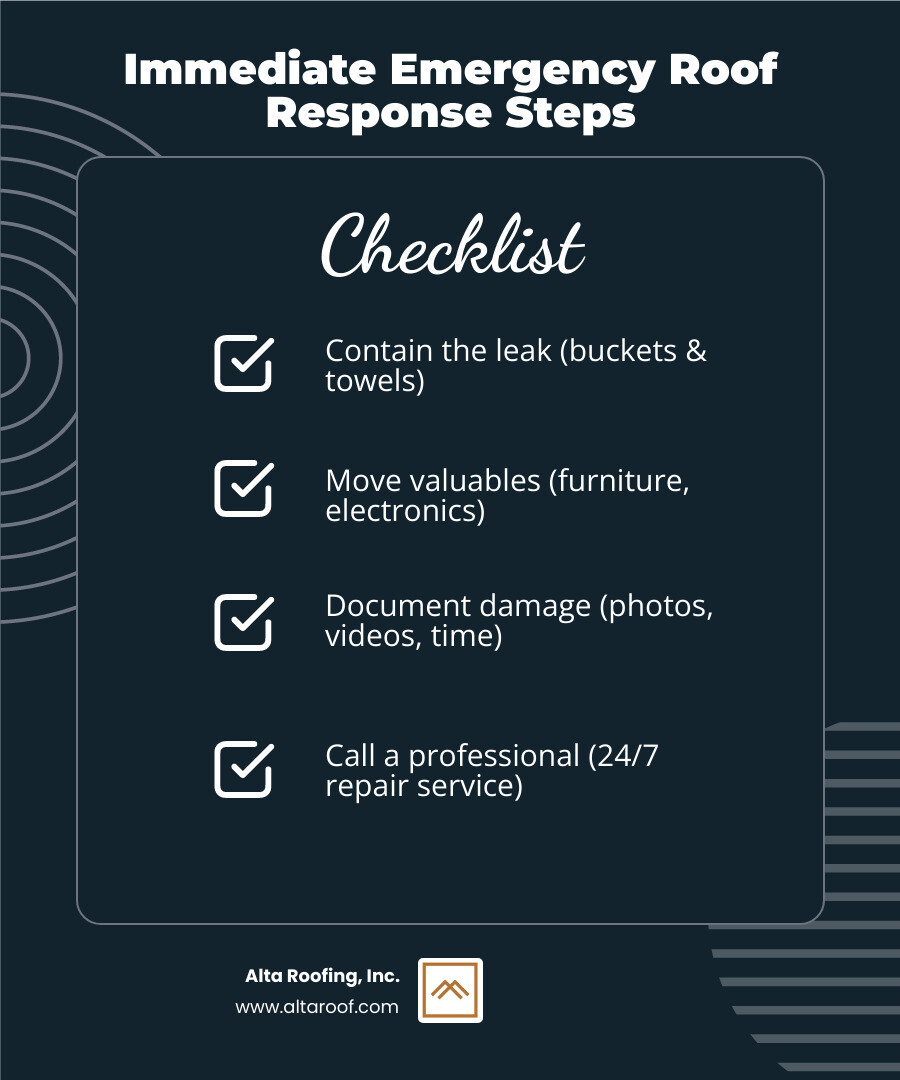
- Prioritize Safety: Ensure everyone is safe. If there's structural damage or water near electrical wiring, evacuate. Never climb onto a damaged or wet roof yourself—it's incredibly dangerous.
- Contain the Water: Use buckets, towels, and plastic sheeting to catch or divert water away from valuable items.
- Move Valuables and Furniture: Relocate furniture, electronics, and other sensitive items away from the affected area to prevent water damage.
- Document the Damage: This is vital for your insurance claim. Take clear photos and videos of the leak, stains, and any damaged belongings. Note the time and date.
- Contact Your Insurance Provider: Report the incident to your home insurance company and ask about your coverage for emergency repairs.
Taking these steps can significantly reduce the overall damage and stress. Then, it's time to call in the professionals.
The High Cost of Waiting: Risks of Delaying Repairs
With a roofing emergency, delaying action is a costly mistake. Water damage spreads quickly, leading to severe consequences:
- Mold and Mildew Growth: Mold can grow within 24-48 hours of water intrusion, damaging your home's structure and causing respiratory issues.
- Structural Rot: Prolonged water exposure can rot the wooden components of your roof (decking, trusses), compromising its integrity and risking collapse.
- Damaged Insulation: Wet insulation loses its effectiveness, leading to higher energy bills and promoting ceiling damage.
- Ceiling Collapse: A water-logged ceiling can become heavy enough to collapse, creating a dangerous situation.
- Electrical Hazards: Water leaking near electrical wiring can cause short circuits, power outages, and even fires.
- Increased Repair Costs: A small leak can quickly spread to your attic, walls, and electrical systems. The longer you wait, the more extensive and expensive the repairs become.
Prompt emergency roof repair protects your property value, prevents chronic issues, and ensures a safe home. Don't let a small leak turn into a disaster. For more information about our comprehensive repair services, please visit our website.
Understanding the 24/7 Roof Repair Service Process
When disaster strikes your roof, you need more than just a patching job; you need a coordinated, professional response. That's exactly what you get with a dedicated 24/7 roof repair service.
What to Expect from a 24/7 Roof Repair Service Call
When you call Alta Roofing for a 24/7 roof repair service in Colorado Springs, Denver, Aurora, or any of our service areas, you're not just getting an answering machine – you're activating a rapid-response system designed to stabilize your home quickly. Here's what our typical process looks like:
- Emergency Dispatch: Your call, whether it's 2 PM or 2 AM, is treated as a top priority. Our live dispatchers will gather essential information about your situation and immediately route the right crew and materials to your address.
- Rapid Response & On-Site Assessment: Our experienced roofing service crew, equipped for various weather conditions, will arrive promptly. They'll quickly identify the source of the leak or damage, assess the full extent of the problem, and secure the scene. This initial assessment includes taking photographs and a detailed written evaluation.
- Temporary Repairs & Leak Containment: The immediate goal is to prevent further water intrusion. Our crews are prepared to execute necessary repairs to halt the problem, which often involves immediate tarp installation and temporary sealing. We use heavy-duty tarps, plywood, and sealants to make your facility watertight quickly, protecting your property until a permanent repair can be scheduled.
- Permanent Repair Plan & Cost Estimates: After stabilizing the immediate threat, our team will provide you with clear options for a permanent fix. This includes a detailed plan that fits your building and budget, along with a transparent cost estimate. For insurance claims, we can provide roof repair estimates and all necessary documentation.
This structured approach ensures that your emergency is handled efficiently, from the initial call to the long-term solution.
How Emergency Repairs Differ from Standard Repairs
You might be wondering, "Isn't all roof repair just... roof repair?" While the fundamental skills are the same, emergency repairs operate under a completely different set of pressures and priorities compared to standard, scheduled repairs. Here's a quick comparison:
| Feature | Emergency Roof Repair | Standard Roof Repair |
|---|---|---|
| Response Time | Immediate (often within hours, even minutes) | Scheduled (days or weeks, based on availability) |
| Availability | 24/7, including nights, weekends, and holidays | During regular business hours |
| Cost Structure | Often includes higher rates for after-hours service; focuses on urgent mitigation | Standard pricing; can often be quoted more precisely in advance |
| Solution Focus | Immediate mitigation (e.g., tarping, temporary seal) to prevent further damage | Permanent, long-term fix; aesthetic considerations often included |
| Goal | Stop active damage; make property safe and watertight | Restore full functionality and appearance; extend roof lifespan |
Emergency services prioritize immediate safety and damage mitigation, responding to active threats like leaks, storm damage, and structural failures regardless of the time. Standard repairs, on the other hand, are planned fixes for issues that aren't immediately catastrophic, allowing for more leisurely scheduling and detailed planning.
How a 24/7 Roof Repair Service Handles Storm Damage
Colorado is no stranger to severe weather, from intense hailstorms to powerful wind gusts. When these storms hit, they can leave your roof in disarray. Our 24/7 roof repair service is specially geared to handle the aftermath of storm damage.
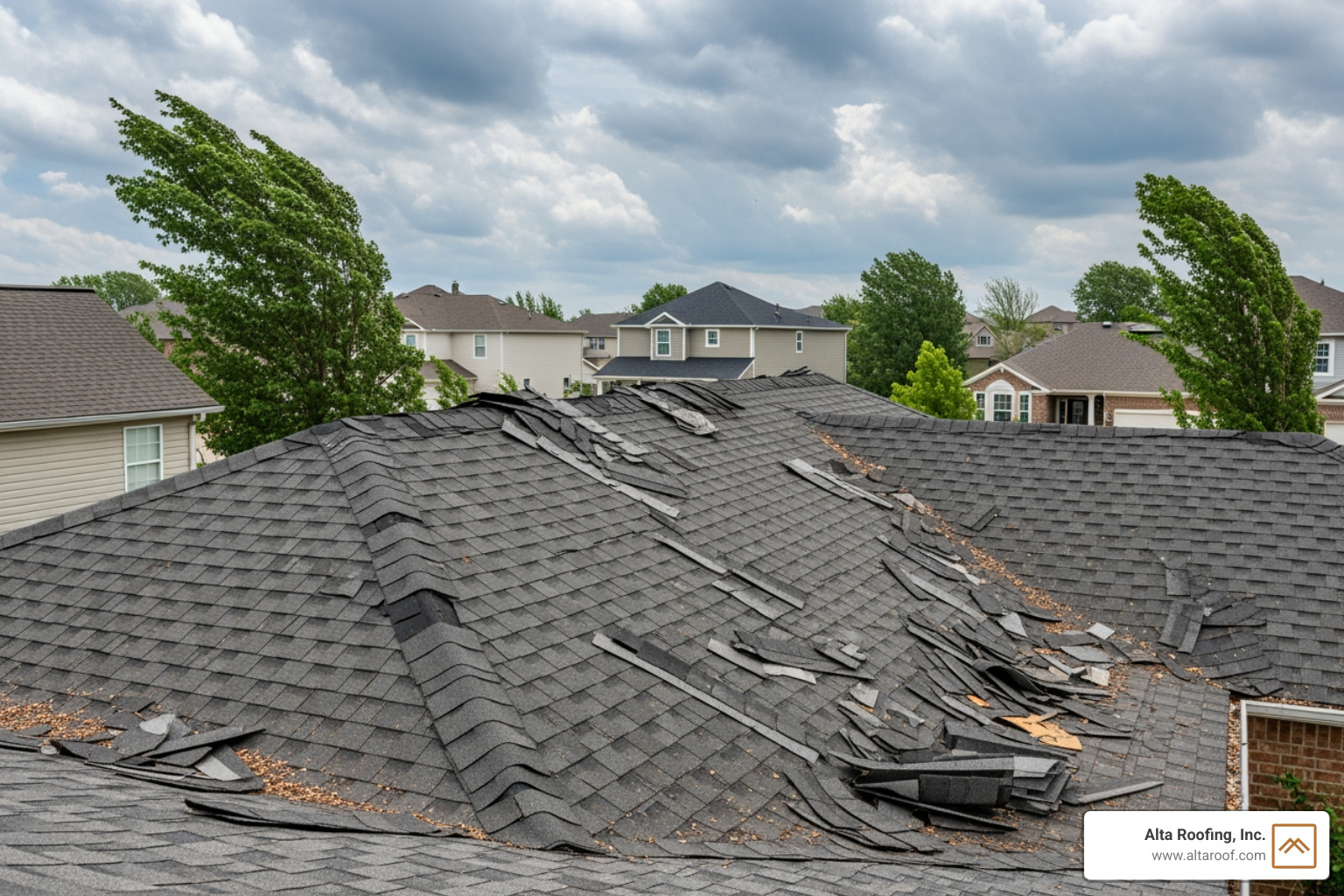
Here's how we typically manage storm-related emergencies:
- Rapid Deployment for Wind Damage: High winds are notorious for tearing off shingles, exposing your roof's underlayment and decking. Our rapid-response crews can secure loose areas, apply temporary patches, and, if necessary, install heavy-duty tarps to prevent further water intrusion, especially critical in areas like Lakewood, Thornton, or Golden, where wind can pick up quickly.
- Hail Damage Assessment and Mitigation: Hail can cause impact damage that isn't always immediately visible but can compromise your roof's integrity. We conduct thorough assessments to identify hail damage, from bruised shingles to hairline cracks, and take immediate steps to protect your home.
- Debris Removal: Fallen tree limbs or other debris can puncture your roof or cause significant structural damage. Our teams can safely remove debris and clear the affected area to begin emergency repairs.
- Coordinated Response: We understand that after a storm, many homes in areas like Aurora, Castle Rock, or Monument might be affected. Our extensive network and trained staff ensure a coordinated and efficient response, even during widespread emergencies.
- Insurance Documentation Support: Storm damage almost always involves an insurance claim. We assist homeowners by providing comprehensive damage reports, photographs, and moisture readings—all the documentation adjusters require to expedite your claim. Our expertise in handling insurance claims means we can act as a single point of contact, coordinating all necessary trades and advocating for you throughout the process.
After the storm, get an Instant Quote for storm damage from Alta Roofing, and let us help you restore peace of mind.
Choosing the Right Emergency Roofing Contractor
In a roofing crisis, you need a reliable contractor fast. Knowing how to quickly vet a professional can make all the difference.
Your Vetting Checklist: Finding a Trustworthy Pro
In an emergency, you need speed without sacrificing quality. Here’s what to look for in an emergency roofing contractor in Colorado:
- Licensed and Insured: This is non-negotiable. A license ensures adherence to industry standards, and insurance protects you from liability. We are fully licensed and insured.
- Local Reputation: Choose a company with a strong, positive reputation. Check online reviews and look for a solid track record on sites like the Better Business Bureau.
- True 24/7 Availability: Confirm they offer a genuine 24/7 roof repair service with live dispatchers, not just an answering machine.
- Positive Reviews: Look for consistent positive feedback that mentions emergency response, professionalism, and quality work.
- Written Guarantees: A reputable contractor will stand behind their work with a written guarantee on both emergency and permanent repairs.
- Emergency Experience: Choose a contractor with proven experience in handling urgent situations and storm damage common to areas like Fountain or Woodland Park.
- Transparent Communication: The contractor should clearly explain the damage, proposed repairs, and costs.
The Role of Insurance in Emergency Repairs
Navigating insurance claims adds another layer of stress to a roofing emergency. A knowledgeable contractor is an invaluable partner.
- Insurance Claims Guidance: Most weather-related emergencies are covered by homeowner's insurance. Your contractor should guide you through the claims process.
- Documentation for Adjusters: We provide comprehensive damage reports with photos, moisture readings, and detailed measurements to help expedite your claim and ensure fair compensation.
- Working with Your Insurer: With extensive experience working with insurance companies, we can provide the necessary estimates and ensure all procedures are followed.
- Advocating for You: At Alta Roofing, we advocate for our homeowners. We work to ensure your claim accurately reflects all damage so you receive the coverage you deserve.
- Comprehensive Inspections: We identify all damage, including hidden issues, and document it for your insurance claim.
Partnering with us provides expert repairs and comprehensive support through the insurance process. Schedule an appointment for an inspection, and let us handle the heavy lifting.
From Reactive to Proactive: Preventing Future Emergencies
While we're always ready for emergency repairs, we believe prevention is the best approach. Proactive steps can significantly reduce your risk of a late-night roofing crisis.
How to Prepare for Potential Roofing Emergencies
Being prepared can minimize damage and stress. Here are our top tips for homeowners in Colorado communities like Arvada, Highlands Ranch, or Castle Pines:
- Regular Roof Inspections: Annual or bi-annual professional inspections can catch small issues like loose shingles before they become emergencies.
- Gutter Cleaning: Clogged gutters cause water to back up under your roof’s edge, leading to leaks and rot. Keep them clear.
- Attic Ventilation Checks: Proper ventilation regulates temperature and moisture, preventing ice dams and extending your roof's life.
- Trimming Overhanging Trees: Trim branches that are close to your roof to prevent wear from rubbing and damage from falling limbs.
- Create an Emergency Contact List: Keep our number and your insurance provider's number readily accessible.
- Know Your Insurance Policy: Understand your policy's coverage for roof damage and the claims process before an emergency strikes.
The Long-Term Benefits of Prompt, Professional Repairs
Addressing roof emergencies promptly with a 24/7 roof repair service has significant long-term advantages beyond just stopping a leak:
- Protecting Property Value: A well-maintained roof is fundamental to your home's value. Swift repairs prevent damage that could devalue your property.
- Preventing Chronic Issues: A professional repair addresses the root cause, preventing the problem from recurring.
- Ensuring Structural Longevity: Quick action prevents water intrusion and structural weakness, extending your roof's lifespan and saving you from premature replacement costs.
- Peace of Mind: Knowing your home is safe and secure allows you to sleep soundly, even during bad weather.
- Lower Lifetime Costs: Emergency repairs almost always result in lower overall costs compared to delaying and dealing with more extensive damage later.
- Maintaining a Safe Home: Prompt repairs prevent electrical hazards, mold growth, and structural failures, ensuring a safe environment for your family.
Prompt emergency roof repair is crucial to prevent further damage. Explore our comprehensive services to learn how we can help maintain your home's integrity.
Frequently Asked Questions about 24/7 Roof Repair
We hear a lot of questions when homeowners are facing a roofing emergency. Here are some of the most common ones, and our expert answers.
Should I try to fix the roof leak myself?
No, absolutely not. We understand the instinct to tackle a problem head-on, but attempting a DIY fix on a damaged roof during an emergency is extremely dangerous and rarely effective.
- Safety Risks: Climbing onto a damaged, wet, or icy roof, especially at night or during severe weather, is incredibly hazardous. You risk serious injury from falls, electrical shock, or collapsing structures. Your safety is paramount.
- Potential to Worsen Damage: Without the proper tools, materials, and expertise, you could inadvertently cause more damage to your roof, turning a repairable issue into a much larger and more expensive problem.
- Lack of Proper Materials: Emergency repairs require specific, durable materials like heavy-duty tarps, industrial-grade sealants, and proper fastening techniques. Household items simply won't cut it.
- Voiding Warranties: Many roofing warranties can be voided if unauthorized or improper repairs are attempted. Always check your warranty before attempting any work yourself.
Always call a professional 24/7 roof repair service like Alta Roofing. Our trained and equipped crews prioritize safety while effectively stabilizing your roof. Contact a professional roofer for assistance.
How much does an emergency roof repair cost?
The cost of an emergency roof repair can vary significantly depending on several factors, but it's generally higher than a standard, scheduled repair.
- After-Hours Fees: Since emergency services operate 24/7, including nights, weekends, and holidays, they often come with higher labor rates for immediate dispatch.
- Material Costs: The cost will depend on the type of roofing materials damaged and needed for temporary (and potentially permanent) repairs.
- Labor Intensity: The severity and complexity of the damage, as well as the conditions under which the repair must be performed (e.g., in the rain, at night), will influence labor costs.
- Damage Severity: A small, isolated leak is less costly to address than extensive structural damage from a fallen tree.
While it's impossible to give an exact figure without an assessment, expect a written estimate that clearly outlines the costs for immediate mitigation and any subsequent permanent repairs. Reputable companies like ours will provide straightforward pricing.
Will a temporary tarp completely stop the leak?
A temporary tarp, when installed correctly by professionals, is highly effective at preventing further water intrusion, but it's crucial to understand its purpose:
- Prevents Most Water Intrusion: The primary goal of temporary tarping is to create a watertight barrier over the damaged area, effectively stopping or significantly reducing water flow into your home.
- A Mitigation Measure: It's an emergency mitigation step, designed to protect your home and belongings in the short term. It buys you time.
- Not a Permanent Solution: A tarp is not meant to be a long-term fix. It can degrade over time, shift in high winds, or become compromised. It protects your home until a permanent repair can be completed safely and thoroughly.
- Requires Professional Installation: For a tarp to be truly effective and safe, it needs to be installed correctly, securely fastened, and properly sealed. A poorly installed tarp can cause more damage or become a hazard.
So, while it's an excellent stop-gap measure to prevent further damage, always plan for a permanent repair once the immediate crisis has passed.
Your Lifeline in a Roofing Crisis
When a sudden storm damages your roof in Denver, Colorado Springs, or Aurora, knowing who to call is your first line of defense. A reliable 24/7 roof repair service is more than a convenience; it's your lifeline.
This guide has covered the signs of a roofing emergency, your first-response actions, the risks of delay, and what to expect from a professional service. We've also provided a checklist for choosing a contractor and explained how proactive maintenance can prevent future crises.
Immediate response is key to mitigating damage. Choose a vetted professional like Alta Roofing for expert repairs, comprehensive insurance claim assistance, and a commitment to your home's long-term protection. We are proud to serve our Colorado communities across Denver, Aurora, Thornton, Lakewood, Colorado Springs, Castle Rock, Manitou Springs, Elizabeth, Parker, Golden, Arvada, Woodland Park, Highlands Ranch, Littleton, Lone Tree, Fountain, Centennial, Englewood, Castle Pines, and Monument.
Don't let a roofing emergency overwhelm you. When you need it most, we're here. Explore our comprehensive roofing services and let us be your trusted partner in protecting your home.
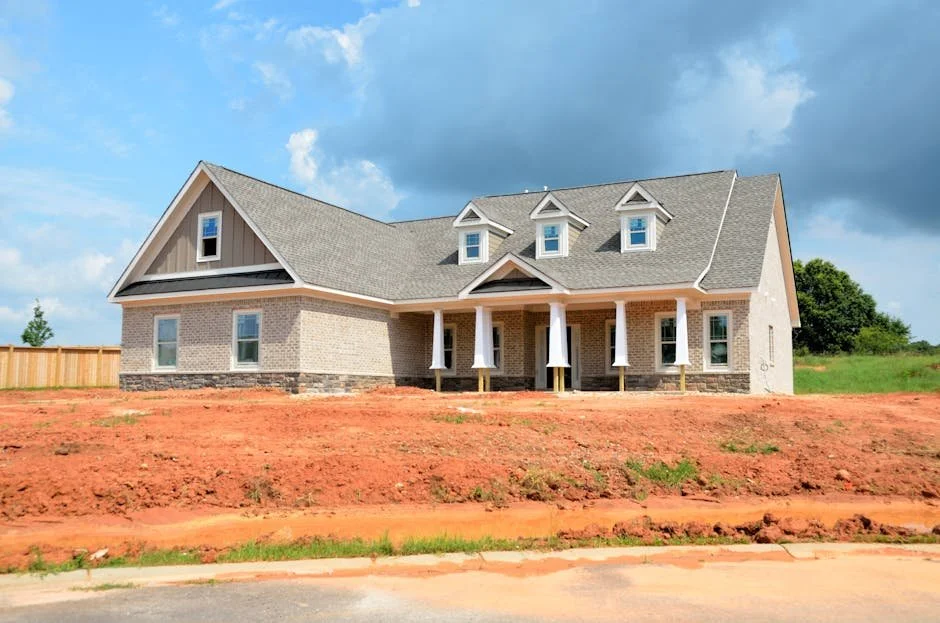
Don't Get Nailed: Essential Roofing Guidelines for Greenwood Village
Your Quick Guide to Greenwood Village Roofing Regulations

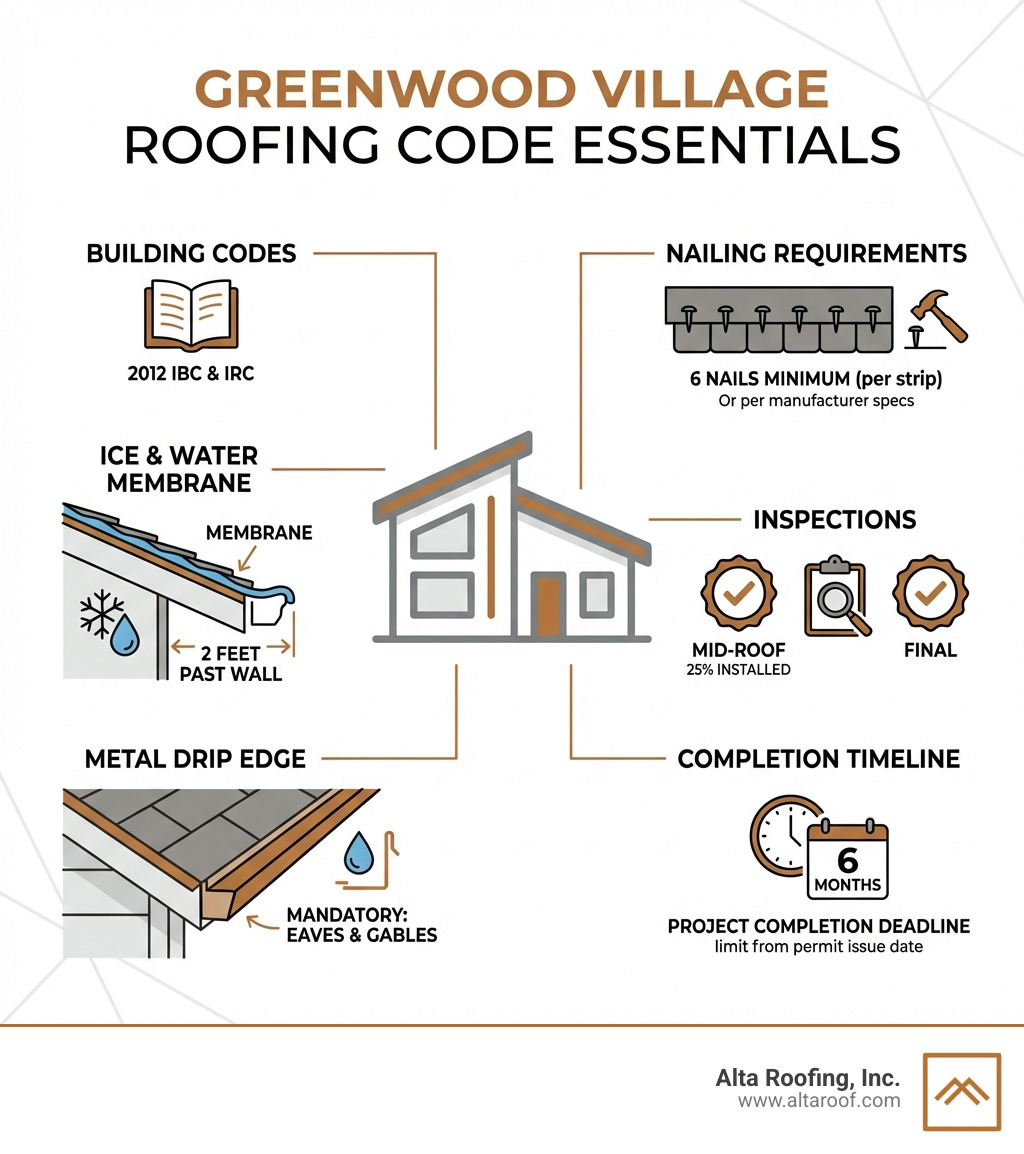
Choosing the right greenwood village roofing contractor is essential for keeping your home safe and sound. Before you dive into repairs or replacements, understand the local rules. Here are the key roofing regulations in Greenwood Village, designed to protect your property and ensure quality work:
- Building Codes: Greenwood Village follows the 2012 International Building Code (IBC) and International Residential Code (IRC).
- Ice and Water Membrane: Required at all eaves, extending two feet past the exterior wall.
- Metal Drip Edge: Installation is mandatory at eaves and gables.
- Nailing Requirements: A minimum of six nails per strip shingle is needed, or as per manufacturer specifications.
- Inspections: Both a mid-roof inspection (after 25% of material is installed) and a final inspection are required.
- Completion Timeline: Your roofing project must be finished within six months of the building permit issue date.
Navigating home exterior projects, especially after tough Colorado weather, can feel overwhelming. This guide will simplify the process, helping you find reliable solutions for your roofing needs.
I'm Barry Goers. As an investor and entrepreneur with a focus on the construction industry, I understand the critical decisions homeowners face when selecting a greenwood village roofing contractor. This expertise helps me see the bigger picture in home protection.
The Greenwood Village Climate Challenge: Why Your Roof is on the Front Line
Living in Greenwood Village means enjoying beautiful Colorado landscapes, but it also means our homes, especially our roofs, are constantly battling Mother Nature. Colorado's climate is notoriously unpredictable, placing your roof on the front line against a barrage of weather challenges. From relentless hail to fierce winds, intense UV exposure, and the punishing freeze-thaw cycles that lead to ice dams, our roofs endure a lot.
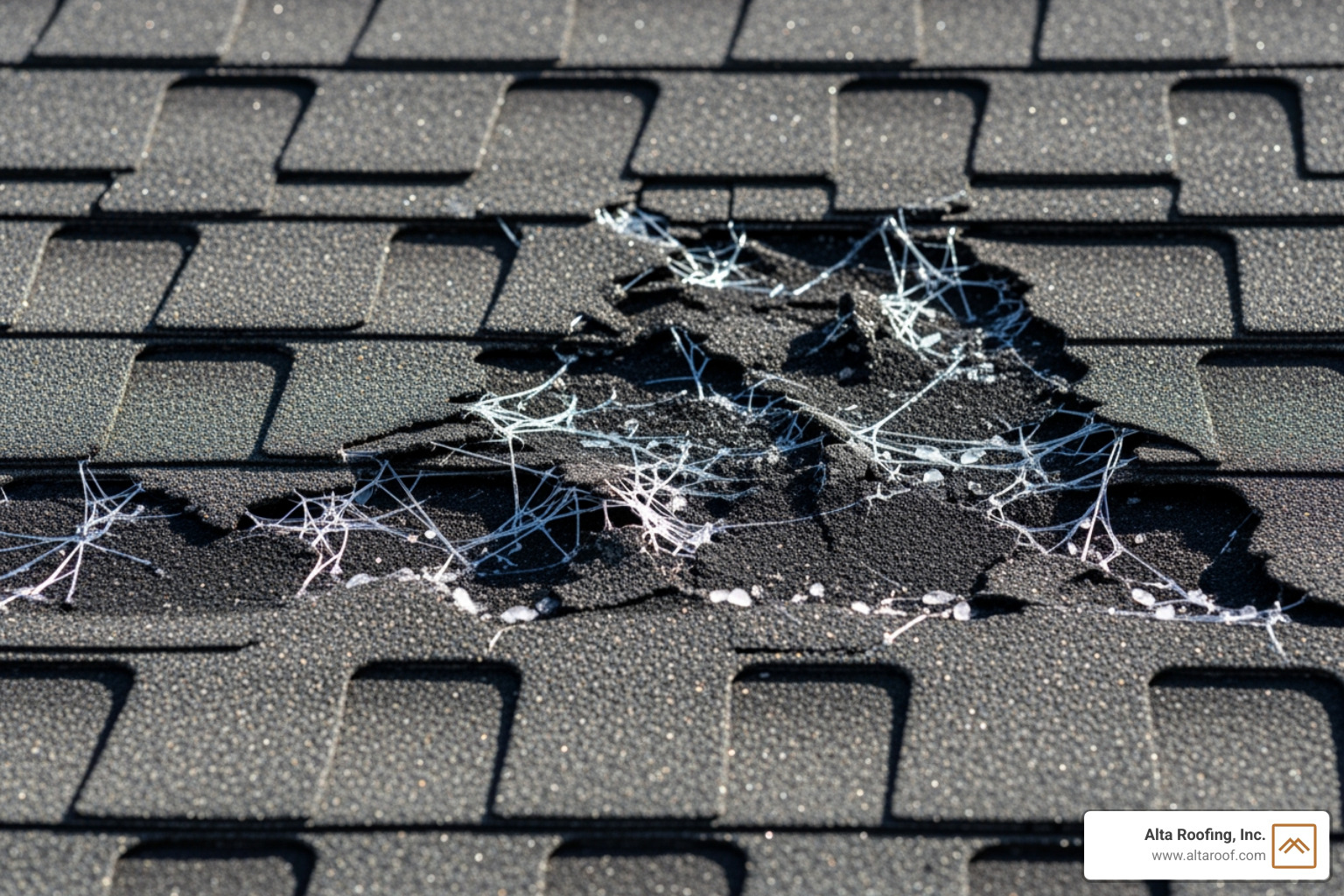
We're in "Hail Alley," a region famous for its severe hailstorms. These aren't just minor annoyances; they can cause significant damage, from bruised shingles to compromised structural integrity. High winds, another common feature of our climate, can tear shingles loose, exposing your roof's underbelly to further moisture intrusion. And let's not forget the scorching summer sun and high altitude UV rays, which accelerate the aging process of roofing materials, making them brittle and less effective over time.
The cycle of freezing and thawing is particularly insidious. Water seeps into tiny cracks during the day, freezes and expands overnight, widening those cracks and eventually leading to leaks and structural damage. Ice dams, those beautiful but destructive formations along your eaves, can push meltwater back under shingles, causing widespread leaks and interior damage.
This constant assault means that a durable, high-quality roofing solution isn't a luxury; it's a necessity. We understand that unaddressed minor roof or siding issues can quickly escalate into larger problems like widespread leaks, water damage, and pest or moisture intrusion. That's why regular, annual roof inspections, ideally in the spring and fall, are crucial. They allow us to catch small issues before they become costly emergencies, ensuring your home remains a safe and comfortable haven against Colorado's formidable weather.
How to Choose the Right Greenwood Village Roofing Contractor
Selecting the right greenwood village roofing contractor is one of the most critical decisions you'll make for your home. It's not just about getting a new roof; it's about securing your investment and ensuring your family's safety. Here's how we recommend approaching this crucial choice:
First and foremost, always verify that your prospective contractor is fully licensed and insured. This protects you from liability in case of accidents on your property and ensures they meet professional standards. Look for a strong local reputation, often reflected in an A+ rating with the Better Business Bureau. Companies like ours, with a proven track record in the Denver metro area, including Greenwood Village, prioritize customer satisfaction and uphold high ethical standards.
Workmanship warranties are another non-negotiable. While manufacturer warranties cover material defects, a strong workmanship warranty ensures the installation itself is guaranteed. We stand behind our work, offering robust warranties that provide peace of mind. Additionally, inquire about manufacturer certifications. These indicate that the contractor is trained and approved by leading roofing material manufacturers, ensuring they use best practices for installation.
Don't just take our word for it; dive into customer testimonials and reviews. They offer invaluable insights into a contractor's reliability, professionalism, and the quality of their work. You can See what satisfied customers are saying about the roofing services they've received. We believe in transparency and building trust from the very first interaction. To learn more about our commitment to excellence, you can Learn more about our values.
Key Questions to Ask Before You Hire
Before you commit to a greenwood village roofing contractor, arm yourself with these essential questions. They'll help you gauge their professionalism, expertise, and commitment to your project:
- Do you use subcontractors? Some companies use full-time employees, which can lead to better quality control and accountability.
- What is your property protection plan during the project? How will they safeguard your landscaping, windows, and other exterior elements from debris and damage? Look for specifics like ground protection mats and landscape covers.
- How will you handle debris cleanup? Will they perform daily magnetic nail sweeps and maintain a clean work zone throughout the project?
- What is the estimated project timeline? Understanding the duration helps you plan and manage expectations.
- What is your experience with insurance claims, especially for storm damage? This is crucial in Colorado. A good contractor should be adept at navigating the claims process, documenting damage, and working with adjusters.
- Will I receive a detailed, written estimate? This should clearly outline all costs, materials, and scope of work to prevent surprises.
- Do you offer a workmanship warranty, and what does it cover? Confirm the length and details in writing.
- How long have your crews been working with you? Experienced, stable crews often indicate higher quality work.
Benefits of Hiring a Local Greenwood Village Roofing Contractor
Choosing a local greenwood village roofing contractor like us offers distinct advantages that national chains simply can't match:
- Knowledge of Local Building Codes: We are intimately familiar with Greenwood Village's specific building codes, including the 2012 IBC and IRC, and their requirements for ice and water membranes, metal drip edges, and nailing specifications. This ensures your project is compliant and hassle-free.
- Familiarity with Greenwood Village HOAs: Many communities in Greenwood Village have Homeowners Associations (HOAs) with specific architectural guidelines and approval processes. A local contractor understands these nuances, simplifying project coordination.
- Faster Emergency Response: When a sudden hailstorm hits, a local team can respond quickly to assess damage and provide temporary protection, preventing further interior issues.
- Established Relationships with Local Suppliers: Our connections with local suppliers, such as Owens Corning, which manufactures locally in Denver, ensure access to quality materials and often faster procurement.
- Vested Community Interest: As a local business, we're part of the community. Our reputation is built on serving our neighbors, and we have a vested interest in providing exceptional service and contributing positively to Greenwood Village.
Decoding Roofing Costs and Navigating Storm Damage Claims
Understanding the financial aspect of roofing projects can feel like deciphering a secret code. Whether it's a minor repair or a full roof replacement, knowing what impacts the cost and how to handle insurance claims for storm damage is vital.

Nationally, the average cost to replace a roof typically falls between $5,890 and $12,800, though high-end roofs can soar upwards of $46,000. For typical roofing repairs, homeowners usually spend between $380 and $1,800, with an average around $1,100. It's worth noting that roofing labor costs generally constitute about 60% of the overall project cost, averaging around $2 per square foot for professional roofing services.
Several factors influence these prices in Greenwood Village:
- Roof Size and Pitch: Larger, steeper roofs require more materials and labor.
- Material Type: Premium materials naturally cost more (we'll dive into materials next).
- Extent of Damage: A complete replacement due to widespread damage will be more expensive than localized repairs.
- Number of Stories: Multi-story homes require more safety precautions and specialized equipment.
- Geographic Location: While we operate in the Denver metro area, local labor rates and material availability can still vary slightly.
For a clearer picture custom to your specific needs, we offer transparent estimates. You can Get an Instant Quote for your project to start planning your roofing investment.
The Insurance Claim Process for Storm Damage
Colorado's weather often means dealing with storm damage, making the insurance claim process a frequent necessity. This is where a knowledgeable greenwood village roofing contractor truly shines. Our expertise in handling insurance claims and coordinating all necessary trades is a core part of our service. We act as a single point of contact for homeowners, simplifying what can otherwise be a complex and stressful experience.
Here’s how we typically steer the process:
- Free Roof Inspection: The first step is a thorough inspection to accurately assess and document all storm damage. We'll identify every area affected, from obvious shingle damage to subtle signs of impact.
- Filing the Claim: We guide you through the process of calling in your insurance claim, ensuring all necessary information is provided upfront.
- Meeting the Insurance Adjuster: We'll be there to meet with your insurance adjuster, walking them through our findings and ensuring all damages are accounted for. Our goal is to maximize your claim and ensure you receive the full support you're owed. Many local contractors boast high success rates in getting claims approved, with some achieving 99% success when they recommend filing. We leverage our experience, which includes handling thousands of insurance claims, to advocate for you.
- Reconciling Estimates: We work to reconcile the insurance estimate with the actual scope of work required, ensuring no corners are cut and all necessary repairs or replacements are covered.
- Project Completion: Once the claim is approved, we manage the entire project, from scheduling and material delivery to professional installation and final cleanup. With us, homeowners often pay nothing beyond their insurance deductible for roof replacements, with no hidden surprises.
Our aim is to make the process as seamless as possible, restoring your peace of mind and your home's protection.
Common Materials and Telltale Signs of Roof Distress
When considering a new roof or repairs, understanding the materials available and recognizing signs of distress are key. As your greenwood village roofing contractor, we guide you through the best options for our unique climate.
Here's a comparison of common roofing materials suitable for Greenwood Village homes:
| Material Type | Cost (Relative) | Lifespan (Years) | Durability & Impact Resistance | Insurance Premium Discount Potential |
|---|---|---|---|---|
| Asphalt Shingles | Low to Moderate | 15-25 | Strip Shingles: Basic, flat appearance, less durable. Architectural Shingles: Thicker, dimensional look, better wind resistance. Luxury Shingles: Heaviest, most durable, often mimic slate or wood, excellent wind resistance. Lifespan affected by climate, installation quality, and maintenance. | None |
| Metal Roofing | Moderate to High | 40-70+ | Exceptional durability against wind, fire, and hail. Can withstand extreme temperature fluctuations. Lightweight. | Minor to Moderate |
| Class 4 Impact-Resistant Shingles | Moderate to High | 25-50 | Specifically engineered to withstand hail impact. These shingles pass rigorous testing for impact resistance, often using steel balls dropped from height. Provides superior protection against hail damage, crucial for Colorado's Hail Alley. | Significant (up to 28% possible) |
| Synthetic Shingles (e.g., F-Wave, DaVinci) | High | 50+ | Designed to mimic natural materials like slate or cedar shake but with improved durability. F-Wave offers a 5-year hail guarantee and Class IV impact rating. DaVinci roofs can survive golf ball-sized hail and offer significant insurance discounts. Excellent impact, wind, and fire resistance. | Significant |
Choosing Class 4 impact-resistant shingles or high-quality synthetic options can lead to significant discounts on your homeowner's insurance premiums, sometimes as much as 28%. This long-term saving, coupled with superior protection against our local weather, makes them a wise investment.
We believe that seeing is believing. To help you visualize the possibilities for your home, you can View examples of our work and see how these materials look on real projects.
Warning Signs Your Roof Needs Attention
Your roof often gives subtle clues before major problems arise. Recognizing these warning signs early can save you significant time, money, and stress. Here’s what to look out for:
- Missing or Curling Shingles: If shingles are missing, cracked, or starting to curl at the edges, it's a clear indicator of wear and tear, leaving your roof vulnerable.
- Granules in Gutters: Asphalt shingles lose their protective granules over time. If you find a significant accumulation of these sand-like particles in your gutters, it suggests your roof is aging and losing its protective layer.
- Ceiling Water Stains: Water stains on your interior ceilings or walls are a definite sign of a leak, indicating that water has penetrated your roof and possibly the attic.
- Sagging Roof Deck: A visibly sagging or drooping roofline is a serious structural issue that requires immediate professional attention.
- Visible Leaks in the Attic: Head up to your attic during the day. Look for daylight shining through the roof boards, moisture, or active leaks, especially after rain or snowmelt.
- Roof Age: Most asphalt shingle roofs have a lifespan of 15-25 years. If your roof is approaching or exceeding 20 years old, it’s likely nearing the end of its functional life, even if no obvious damage is present.
If you notice any of these signs, it's time to call a professional for an inspection. Ignoring them can lead to much larger, more expensive problems down the road.
Core Roofing and Exterior Services Explained
As a comprehensive greenwood village roofing contractor, our services extend beyond just the shingles. We understand that your home's exterior works as a complete system to protect your family and improve your property's value. Here's a breakdown of the core services we offer:
- Roof Replacement: When repairs are no longer sufficient or your roof has reached the end of its lifespan, a full replacement is necessary. We carefully remove the old roofing, inspect the decking, and install a new, durable system custom to your home and our local climate.
- Roof Repair: From patching leaks and replacing damaged shingles to addressing flashing issues, our repair services are designed to extend your roof's life and prevent minor problems from escalating.
- Gutter Installation & Repair: Robust gutters are crucial for guiding rainwater away from your home's foundation. We install seamless gutters and offer repair services to ensure efficient water management, preventing potential water damage to your siding, foundation, and landscaping.
- Siding: Your siding is your home's second line of defense and a major contributor to its curb appeal. We offer siding repair and installation, providing options that are durable, energy-efficient, and aesthetically pleasing.
- Windows & Doors: New windows and doors can dramatically improve your home's energy efficiency, security, and curb appeal. We provide installation services for a wide range of styles and materials, ensuring a perfect fit and professional finish.
Residential vs. Commercial Roofing Differences
While the goal is always protection, there are key distinctions between residential and commercial roofing:
- Structure and Scale: Residential roofs are typically sloped, smaller, and less complex. Commercial roofs are often flat or low-slope and cover much larger areas, requiring different materials and installation techniques.
- Materials: Residential roofs commonly use asphalt shingles, metal, or tile. Commercial roofs often use single-ply membranes like TPO, EPDM, or PVC, or built-up roofing systems designed for durability on flat surfaces.
- Drainage: Residential roofs rely on gravity for drainage. Commercial flat roofs require precise drainage systems to prevent ponding water, which can lead to leaks and structural issues.
- Building Codes: While both adhere to codes, commercial projects often have more stringent requirements related to fire resistance, insulation, and load capacity.
Whether it's a cozy home or a sprawling commercial property, we have the expertise to handle diverse roofing challenges in Greenwood Village. You can Explore our full range of exterior services to see how we can assist you.
What to Expect from a Top Greenwood Village Roofing Contractor
When you choose a reputable greenwood village roofing contractor, you should expect a systematic and professional approach from start to finish. Here’s what we promise:
- Thorough Inspection: Every project begins with a comprehensive assessment of your current roof's condition, identifying all issues and potential vulnerabilities.
- Detailed Scope of Work: We provide a clear, itemized scope of work, explaining what needs to be done, the materials we'll use, and the timeline, ensuring complete transparency.
- On-Site Project Management: A dedicated project manager will oversee your project from beginning to end, serving as your single point of contact and ensuring expert supervision at every stage.
- Daily Cleanup: We treat your property with the utmost respect. Our crews perform daily magnetic nail sweeps and prompt debris removal, maintaining a clean and safe work zone throughout the project.
- Final Walkthrough: Upon completion, we conduct a thorough final walkthrough with you to ensure every detail meets our high standards and your complete satisfaction.
Frequently Asked Questions about Greenwood Village Roofing
It's natural to have questions when starting on a roofing project. Here are some of the most common inquiries we receive from homeowners in Greenwood Village:
How often should my roof be inspected?
We recommend having your roof professionally inspected at least once a year. The best times are typically in the spring and fall. Spring inspections can identify any damage from winter storms, while fall inspections prepare your roof for the colder months ahead. Given Colorado's volatile weather, it's also crucial to schedule an inspection immediately after any significant weather event, such as a severe hailstorm or high winds. While a DIY visual check from the ground can be helpful, a professional assessment can spot subtle damage that might otherwise go unnoticed.
What are the key roofing code requirements in Greenwood Village?
Greenwood Village adheres to the 2012 International Building Code (IBC) and International Residential Code (IRC). Key roofing code requirements include:
- Ice and Water Shield: An underlayment of ice and water membrane is required at all eaves, applied directly to the decking and extending up the roof slope two feet past the exterior wall line.
- Metal Drip Edge: Installation of a metal drip edge is mandatory at both eaves and gables to protect the roof edges.
- Nailing Requirements: A minimum of six nails is required for all strip-type shingles, or as specified by the manufacturer. This ensures shingles are securely fastened against high winds.
- Inspections: The village mandates a mid-roof inspection once 25% of the roofing material has been installed, followed by a final inspection upon project completion.
- Permitting: All roofing projects require proper permitting, and completion must occur within six months of the permit issue date.
We are well-versed in these local regulations, ensuring every project we undertake is fully compliant.
Should I repair or replace my roof?
This is a common dilemma, and the best answer depends on several factors:
- Age of Roof: If your roof is over 20 years old, replacement is often the more cost-effective long-term solution, even for seemingly minor damage, as it's nearing the end of its lifespan.
- Extent of Damage: Localized issues like a few lifted shingles or a small flashing failure can often be addressed with targeted repairs. However, if damage is widespread across multiple slopes, or shingles are broadly deteriorating, a full replacement provides better long-term protection.
- Cost-Benefit Analysis: Sometimes, the cost of extensive repairs can approach or even exceed the cost of a replacement, making replacement the smarter investment for improved durability and a new warranty.
- Future Plans: If you plan to sell your home soon, a new roof can significantly boost curb appeal and resale value.
We offer honest roof evaluations to help you make an informed decision, always prioritizing your home's safety and your budget.
Conclusion: Protect Your Greenwood Village Investment
The homes of Greenwood Village are cherished investments, and protecting them starts from the top down. With Colorado's challenging climate, from relentless hail to intense UV exposure, a durable and well-maintained roof isn't just a component of your home—it's your first line of defense.
Choosing a qualified greenwood village roofing contractor is paramount. We've seen how crucial it is to partner with a team that understands local building codes, excels in navigating complex insurance claims, and is committed to using high-quality materials and craftsmanship. Proactive maintenance and timely repairs can save you from significant headaches and costs down the road, ensuring your home remains secure and beautiful for years to come.
Making an informed decision about your roofing needs doesn't have to be overwhelming. We are dedicated to providing transparent, reliable, and high-quality roofing and exterior services. Our expertise in handling storm damage restoration and coordinating all necessary trades means we're your single point of contact, simplifying the entire process.
Don't let the next storm catch you off guard. Contact us today to schedule your free, no-obligation inspection and let us help you protect your Greenwood Village investment.
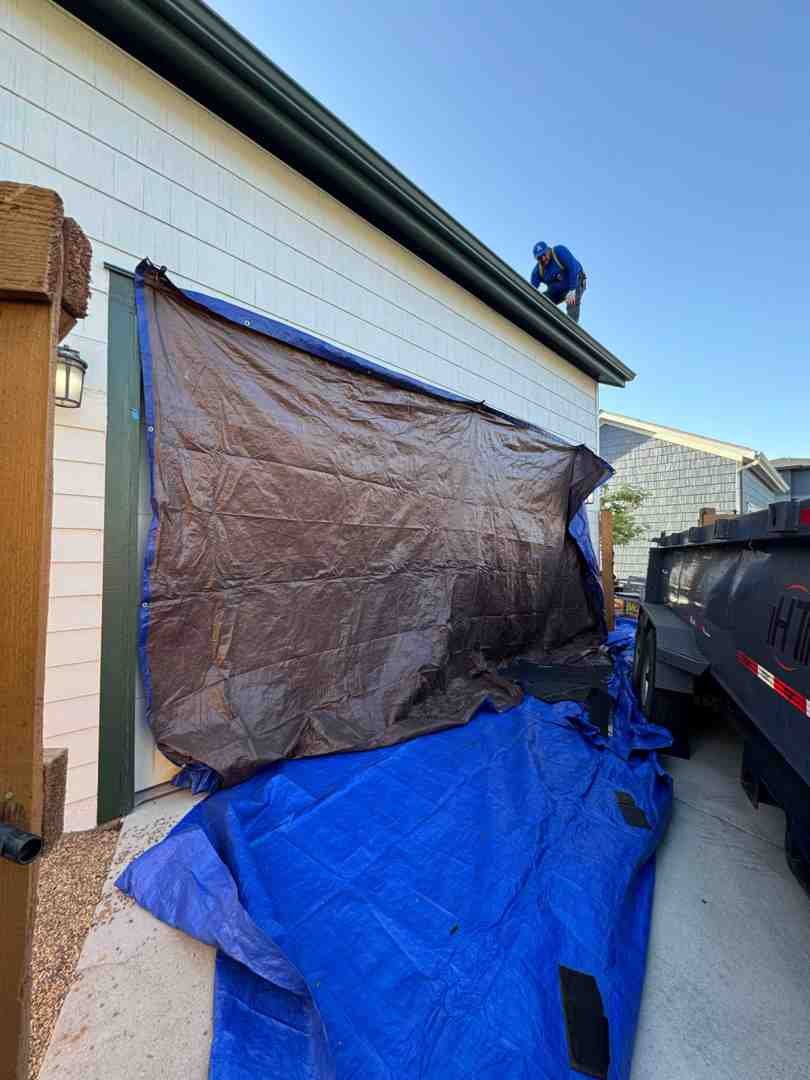
Hail No! Everything You Need to Know About Storm Damage Repair
Why Storm Restoration and Choosing the Right Contractor Matters
Storm restoration contractors are licensed professionals who specialize in repairing and restoring properties damaged by severe weather events like hail, wind, tornadoes, and heavy snow. They handle everything from emergency tarping and inspections to full roof replacements, siding repairs, and insurance claim assistance—acting as a single point of contact to coordinate all necessary trades and restore your home to its pre-loss condition.
What Storm Restoration Contractors Do:
- Emergency Response: Provide immediate tarping and board-up services to prevent further damage
- Comprehensive Inspections: Use drones and advanced technology to assess all storm damage
- Insurance Assistance: Document damage, provide detailed estimates, and work directly with adjusters
- Complete Restoration: Coordinate roof, siding, gutter, window repairs and replacements
- Quality Assurance: Use manufacturer-certified materials and provide warranties on workmanship
When severe weather strikes Colorado—whether it's hail in "hail alley" along the Front Range or high winds that tear off shingles—the aftermath can feel overwhelming. According to the National Centers for Environmental Information, the U.S. experienced 27 billion-dollar weather disasters in 2024 alone, with severe storms being the most common category since 1980. Your home is likely your biggest investment, and acting quickly after storm damage is critical. Unrepaired damage leaves your property vulnerable to water intrusion, mold, and structural deterioration, while insurance claims typically must be filed within a specific window of time.
The challenge isn't just the physical damage—it's navigating the complex insurance claims process and coordinating multiple contractors while you're already stressed. This is where experienced storm restoration contractors become invaluable. They don't just patch your roof; they guide you through documentation, handle adjuster meetings, and manage everything from material selection to final cleanup. The difference between a reputable local contractor and a "storm chaser" who disappears after taking your deposit can mean the difference between a fully restored home and a financial nightmare.
I'm Barry Goers, founder of Tarben Ventures Ltd., with experience in the construction industry helping homeowners steer complex restoration projects. My work with storm restoration contractors has shown me how critical it is to choose the right partner when your home needs emergency repairs.
After the Storm: A Homeowner's Immediate Action Plan
When a storm rolls through Colorado, it can leave behind a trail of damage that's not always obvious. We've seen everything from small, insidious leaks to outright structural chaos. The key after any significant weather event is to prioritize safety and then act swiftly and strategically. This isn't the time to panic, but it is the time for a plan.
First and foremost, ensure the safety of your family. Check for downed power lines, gas leaks, or structural instability before re-entering your home. If there's any doubt, call emergency services. Once the immediate danger has passed, your next steps are crucial for preventing further damage and ensuring a smooth restoration process. This involves careful documentation, temporary repairs, and promptly contacting your insurance provider.
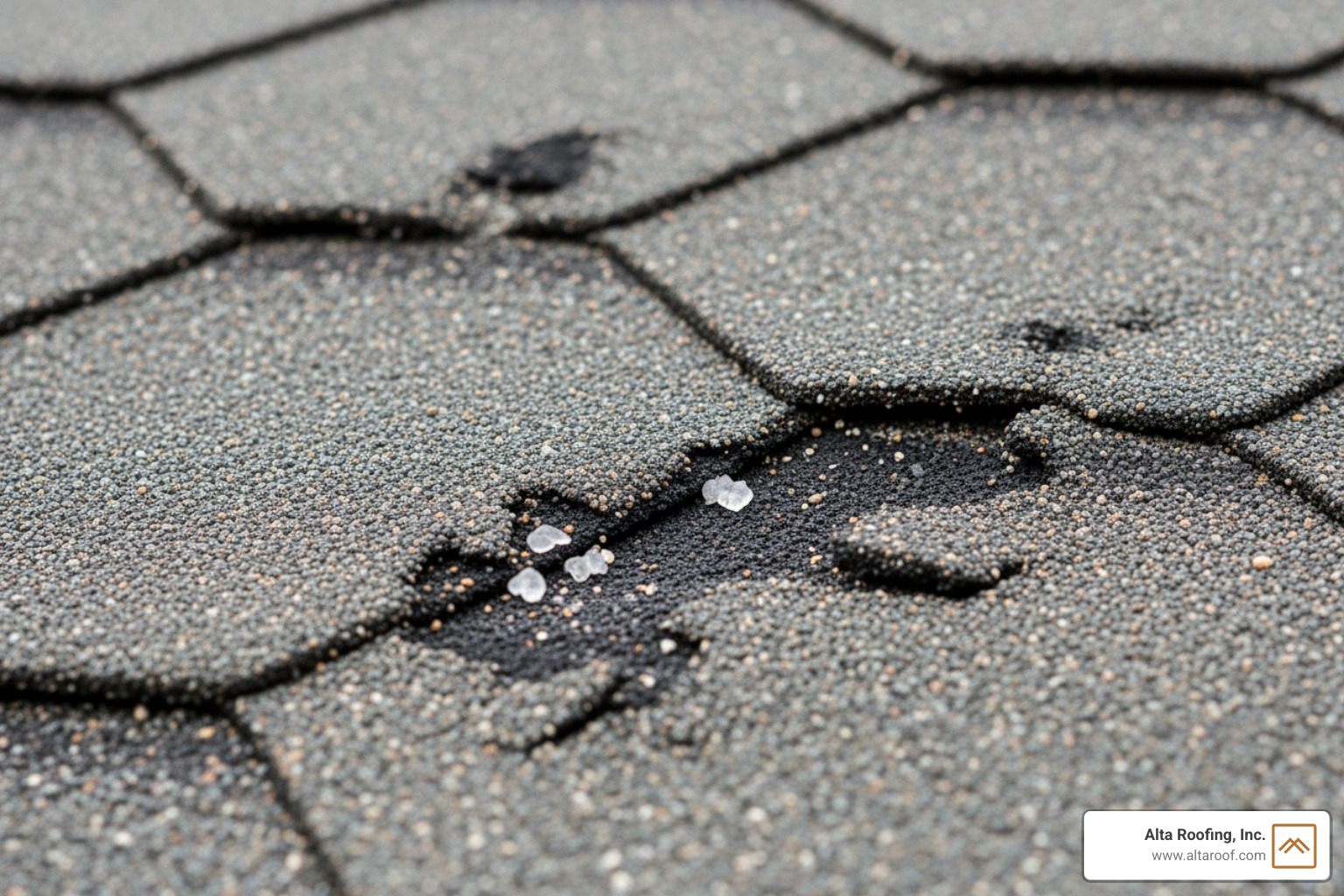
Spotting Roof and Exterior Damage
After a storm, your property’s exterior bears the brunt of the impact. While large holes are easy to spot, much of the damage can be subtle. Here's a list of common signs of storm damage we tell homeowners in Denver, Colorado Springs, and across the Front Range to look for:
- Missing, Cracked, or Bruised Shingles: High winds can lift and tear off shingles, while hail can crack them or create "bruises" (soft spots where the granules have been knocked off). Even if they're not obviously broken, cracked shingles can lead to leaks.
- Granules in Gutters and Downspouts: As shingles age or get hit by hail, they shed their protective granules. Finding an excessive amount of these in your gutters is a tell-tale sign of roof damage.
- Dented Gutters and Downspouts: Hail often leaves noticeable dents on metal gutters and downspouts. If your gutters are dented, there's a good chance your roof experienced similar impact.
- Cracked or Punctured Siding: Hail can also hit your siding, causing cracks, chips, or even small punctures, especially on softer materials like vinyl.
- Window Damage: Look for cracks, chips, or even shattered windows. Sometimes, the window screens or frames can also be bent or damaged by flying debris.
- Leaks in the Attic or Ceilings: This is a definitive sign of roof damage, indicating water has penetrated your roof's layers. Don't ignore even small drips.
- Damage to Other Exterior Elements: Check your decks, fences, mailboxes, and outdoor AC units. If these items show signs of impact, it’s circumstantial evidence that your roof likely took a hit too.
Even if you don't see obvious damage from the ground, the impact of hail, especially the soft hail common in Colorado, or strong winds can compromise your roof's integrity. As Elite Roofing & Solar advises, it's often best to err on the side of caution and get a professional inspection. For more information about our work and examples of storm damage we've repaired, visit our Our Work page.
What to Do Immediately After Finding Damage
Finding storm damage can be unsettling, but taking immediate, organized steps can make a big difference in the restoration process and your insurance claim.
- Prioritize Safety: Before anything else, ensure the area is safe. Avoid downed power lines, gas leaks, or unstable structures. If there's standing water, be cautious of electrical hazards.
- Document, Document, Document: This is critical. Take extensive photos and videos of all visible damage from multiple angles. Capture both close-ups and wider shots that show the context. Note the date and time. This visual evidence will be invaluable for your insurance claim.
- Prevent Further Damage with Temporary Repairs:
- Cover Broken Windows: Use plywood or heavy-duty tarps to cover any broken windows or holes in your siding.
- Tarp Damaged Roof Sections: If your roof has obvious holes or missing shingles, consider safely covering the damaged areas with a tarp. Many reputable storm restoration contractors, including us, offer emergency tarping services to prevent further water intrusion into your attic and home. This is especially important in areas like Aurora, Thornton, and Lakewood where subsequent rains can exacerbate initial damage.
- Mitigate Water Intrusion: If water has entered your home, SERVPRO recommends immediate steps like shutting off the water source (if applicable), turning off circuit breakers to wet areas (if safe), and removing excess water by mopping or blotting. Prop up wet upholstery cushions and place aluminum foil under furniture legs to prevent staining.
- Contact Your Insurance Provider: This should be one of your first calls after securing your property. Your insurance agent can guide you through the initial steps of filing a claim. Insurance claims for hail damage typically have a filing window, so prompt action is essential. They can also explain your policy's specifics, including your deductible.
- Call a Professional for an Inspection: Even if you've done a visual check, a professional inspection by experienced storm restoration contractors is vital. We have the expertise and tools, like drones, to identify subtle damage that might be missed by the untrained eye. For immediate assistance and a thorough assessment, Contact us for an emergency inspection.
The Road to Recovery: Working with Storm Restoration Contractors
Once the immediate aftermath is handled, the real journey to recovery begins. This is where working with professional storm restoration contractors becomes indispensable. They act as your guide and project manager, navigating the entire repair process from start to finish, ensuring your home in Colorado Springs, Castle Rock, or any of our service areas is returned to its pre-storm glory.
The complete repair process involves several key stages: a thorough inspection, navigating the insurance claim, coordinating various trades, utilizing advanced repair technologies, and finally, ensuring the quality and durability of all repairs. Our goal is to make this often-stressful process as seamless as possible for you.

The Professional Inspection and Damage Assessment
A comprehensive inspection is the bedrock of any successful storm restoration. This goes far beyond a quick glance from the ground. Our professional team performs a meticulous assessment of your entire property, not just the obvious damage.
- Thorough Property Inspection: We examine your roof, siding, gutters, windows, and any other exterior elements that may have been affected. This includes checking for granule loss, hail impacts, wind uplift, and water penetration points.
- Drones and 3D Technology: To ensure accuracy and safety, especially on steep or hard-to-access roofs, we use advanced tools like drones and 3D modeling technology. This allows us to capture precise measurements and detailed damage predictions, providing you and your insurance company with the most accurate estimates.
- Detailed Damage Report: Following our inspection, we provide you with a comprehensive report outlining all finded damage, complete with photographic evidence.
- Accurate Cost Estimates: Based on our detailed assessment, we generate an accurate cost estimate for all necessary repairs or replacements. This transparency ensures you understand the scope of work and associated costs.
Elite Roofing & Solar emphasizes that you can't truly know the extent of your roof's damage without a proper inspection. We couldn't agree more. That's why we encourage you to Schedule an appointment for a free inspection with us.
Navigating the Insurance Claim Process
For many homeowners, dealing with insurance after storm damage is the most daunting part of the recovery process. This is where experienced storm restoration contractors truly shine. We have decades of experience working with insurance companies and can effectively guide you through every step.
- Understanding Your Policy: Before filing, it's wise to review your homeowner's hazard insurance policy. Understand what your storm damage coverage includes, your deductible, and any specific requirements for filing a claim.
- Filing a Claim: After your initial contact with your insurance agent, you'll formally file your claim. We can help ensure all the necessary initial information is provided accurately.
- Meeting with the Adjuster: Your insurance company will send an adjuster to assess the damage. We highly recommend having one of our expert project managers present during this meeting. We can point out all the damage we've identified, ensuring nothing is overlooked and that the adjuster has a complete picture of the storm's impact.
- The Role of Storm Restoration Contractors in Insurance Claims: Our role extends beyond just physical repairs. We act as your advocate, providing all the necessary documentation, including our detailed inspection reports and estimates, to make working with insurance companies easier. We speak their language, ensuring that the scope of work aligns with what's needed to fully restore your property to its pre-loss condition, and assist with any insurance adjustments. As Premier Roofing advises, a reputable contractor will work with your insurance, not against it.
- Maximizing Your Coverage: By having us involved from the inspection to the final claim settlement, we help ensure you receive the full coverage you deserve for all legitimate storm-related damages, preventing you from shouldering unnecessary out-of-pocket expenses.
How to Choose the Right Contractor
Choosing the right storm restoration contractors is arguably the most critical decision you'll make after storm damage. The wrong choice can lead to shoddy work, headaches, and even financial loss. In Colorado, we often see "storm chasers" descend on communities after a major weather event. It's essential to distinguish between these transient operations and reputable local businesses.
| Feature | Local, Established Contractor | National "Storm Chaser" Contractor |
|---|---|---|
| Local Presence | Permanent office in your community (e.g., Denver, Colorado Springs) | Operates out of vehicles, temporary offices, or P.O. boxes |
| Reputation | Long-standing community ties, local references, consistent reviews | Little to no local history, few verifiable local references |
| Licensing/Insurance | Fully licensed, bonded, and insured in Colorado | May have licenses from other states, questionable insurance |
| BBB Accreditation | Often A+ rated with Better Business Bureau | Rarely accredited, or may have a poor rating |
| Manufacturer Certs | GAF Master Elite, Owens Corning Platinum Preferred, CertainTeed Shingle Master | Seldom hold high-level manufacturer certifications |
| Warranties | Offers strong workmanship and material warranties | Warranties may be difficult to enforce if they leave the area |
| Communication | Clear, consistent, and responsive | May be hard to reach once the initial sale is made |
| Pricing | Transparent estimates, works with insurance | May offer suspiciously low bids or pressure tactics |
When evaluating storm restoration contractors, look for the following:
- Local Reputation: Choose a contractor with a strong presence and positive reputation in your local community, whether that's Aurora, Parker, or Monument. Elite Roofing & Solar emphasizes looking for an established, locally based, experienced, and communicative company.
- Licensing and Insurance: Verify that the contractor is fully licensed, bonded, and insured in Colorado. This protects you in case of accidents or unfinished work.
- BBB Accreditation: A Better Business Bureau (BBB) accreditation with a high rating (like an A+) indicates a commitment to ethical business practices.
- Manufacturer Certifications: Certifications like GAF Master Elite, Owens Corning Platinum Preferred, or CertainTeed Shingle Master demonstrate a contractor's commitment to quality workmanship and adherence to manufacturer standards. These certifications often come with extended warranty options.
- Warranties: A reputable contractor will offer strong workmanship warranties in addition to manufacturer material warranties.
- Financing Options: Storm damage can be an unexpected expense. Many established contractors offer financing options to help manage costs, such as zero interest, zero payments for a period.
We pride ourselves on being a trusted, local choice for homeowners across Colorado. Learn more about us and our commitment to quality service.
Red Flags on the Roof: How to Spot and Avoid Storm Chaser Scams
After a severe storm, our communities across the Front Range, from Golden to Castle Pines, often become targets for unscrupulous "storm chasers." These opportunistic individuals or companies follow severe weather events, moving from town to town, preying on stressed homeowners who are eager to get their homes repaired. Premier Roofing's article "Roofing Scams That Can Cost You Money" highlights many of these tactics, and we want to ensure you're equipped to spot them.
Here are the red flags to watch out for:
- High-Pressure Sales Tactics: Be wary of anyone who pressures you to sign a contract on the spot, claiming the offer is only valid "today" or that you'll miss out if you don't act immediately. A reputable contractor will give you time to make an informed decision.
- Demands for Large Upfront Payments: While a reasonable deposit might be required, be very cautious if a contractor demands a large percentage of the total cost upfront, especially before any materials have been delivered or work has begun. Premier Roofing advises against giving upfront deposits to unsolicited contractors.
- Vague Contracts: Always insist on a detailed, written contract that clearly outlines the scope of work, materials to be used, timeline, payment schedule, and warranty information. Avoid contracts with vague language or missing details.
- Out-of-State License Plates/No Local Address: This is a classic sign of a storm chaser. If their vehicles have out-of-state plates, they lack a permanent local office (beyond a P.O. box), or they can't provide verifiable local references, it's a huge red flag. They'll be gone as quickly as they appeared, leaving you with no recourse if issues arise.
- Waiving Deductibles (Insurance Fraud): Be extremely wary of any contractor who offers to "waive" or "cover" your insurance deductible. This is illegal and constitutes insurance fraud. Your deductible is your responsibility, and any contractor offering to absorb it is likely inflating other costs or cutting corners elsewhere, which can lead to problems with your insurance company.
- Door-to-Door Sales Without Proper Identification: While some legitimate local businesses do door-to-door sales, be cautious of those who show up unannounced without company identification, uniforms, or credible business cards. Always verify who you're speaking with.
Key Qualifications for Reputable Storm Restoration Contractors
To protect your home and your peace of mind, always choose storm restoration contractors who demonstrate transparency, professionalism, and a commitment to their community.
- Permanent Local Office: A reputable contractor will have a physical office in your area, not just a temporary setup. This signifies their long-term commitment to the community and provides you with a place to go if you have questions or issues down the road. We have offices conveniently located across the Front Range and Colorado Springs, serving communities like Castle Rock, Manitou Springs, and Elizabeth.
- Proof of License and Insurance: Always ask for and verify proof of their general liability insurance and workers' compensation insurance, as well as their state and local licensing. This protects you from liability if an accident occurs on your property.
- Written Estimates: Insist on a detailed, written estimate that itemizes all costs, materials, and labor. A clear estimate prevents surprises later on.
- Customer References: A trustworthy contractor will be happy to provide you with a list of local references from past storm restoration projects. Take the time to call them and ask about their experience.
- Strong Online Reviews: Check independent review sites like Google, Yelp, and the Better Business Bureau. Look for consistent positive feedback and how the company responds to any negative reviews.
- Manufacturer Certifications: As mentioned earlier, certifications like GAF Master Elite or Owens Corning Platinum Preferred indicate a contractor's expertise and commitment to quality, often backed by improved warranties.
For more tips and advice on home maintenance and choosing the right professionals, be sure to Check out our articles for more tips.
Frequently Asked Questions About Storm Damage Repair
We understand that homeowners in areas like Arvada, Woodland Park, and Highlands Ranch often have many questions when faced with storm damage. Here are some of the most common ones we hear:
What is the typical timeline for storm damage repairs?
The timeline for storm damage repairs can vary depending on the severity of the damage, insurance processing times, and material availability. However, here’s a general breakdown we've observed:
- Inspection: Typically, we can schedule an initial inspection within 1-3 days of your call, especially for emergency situations.
- Insurance Approval: Once the claim is filed and the adjuster has assessed the damage, approval can take 1-2 weeks. This period can sometimes be longer if there are disputes or additional documentation required.
- Material Delivery: After approval and contract signing, ordering and receiving materials usually takes 1-2 weeks. Specialized or custom materials might take longer.
- Repairs (Roof, Siding, etc.): The actual repair work for a typical residential roof replacement or extensive siding repair can take anywhere from 1-5 days, depending on the scope and complexity of the project. Smaller repairs can often be completed in a single day. Some urgent repairs, like emergency tarping, can be done within 24 hours.
Overall, from initial damage to completion, the process can range from a few weeks to a few months. We always strive for efficiency without compromising quality.
How is storm damage repair different from general home remodeling?
While both involve improving your home, storm damage repair differs significantly from general home remodeling:
- Necessity, Not a Choice: Storm damage repair is often a necessity driven by an unexpected event, whereas remodeling is usually a planned aesthetic or functional upgrade. You don't choose to have storm damage; you must repair it to protect your home.
- Focus on Restoring to Pre-Loss Condition: The primary goal of storm damage repair is to restore your home to its condition before the storm. Remodeling, on the other hand, aims to improve or change your home beyond its previous state.
- Insurance-Driven Process: Storm repair is heavily intertwined with insurance claims. The scope of work is often dictated by what the insurance company approves based on the damage assessment. Remodeling is typically funded directly by the homeowner.
- Often Involves Multiple Exterior Trades Simultaneously: Storm damage often affects various parts of your home's exterior—roof, siding, gutters, windows. Experienced storm restoration contractors act as a single point of contact, coordinating all these trades to ensure a cohesive and efficient repair process, which is less common in typical remodeling projects.
How can I prepare my property for potential storm damage?
While we can't control the weather in Fountain, Centennial, or Englewood, we can certainly help you prepare your home to minimize potential damage:
- Regular Roof Inspections: Have your roof inspected annually by a professional, especially if it's older or after minor storms. Catching small issues early can prevent major problems.
- Clean Gutters and Downspouts: Clogged gutters can cause water to back up, leading to fascia damage, foundation issues, and even ice dams in winter. Keep them clear to ensure proper drainage.
- Trim Overhanging Trees: Trim branches that are close to your roof or could fall on your home during high winds or heavy snow.
- Secure Outdoor Furniture and Decorations: During severe weather warnings, bring in or secure anything outdoors that could become a projectile, such as patio furniture, grills, and decorations.
- Review Insurance Coverage Annually: Speak with your insurance agent to understand your policy, coverage limits, and deductible. Ensure your policy adequately covers potential storm damage specific to Colorado's weather patterns, including hail and wind.
Conclusion: Your Next Steps to a Fully Restored Home
When a storm hits your home in Colorado, it can feel like a punch to the gut. But as we’ve discussed, having a clear plan and the right partners makes all the difference. Acting quickly after finding damage is paramount to preventing further issues and ensuring a smooth insurance claim process.
Choosing experienced, local storm restoration contractors like us means you’re not just getting repairs; you’re gaining a trusted partner who will guide you through every step, from detailed damage assessment and navigating complex insurance claims to coordinating all necessary trades for a comprehensive restoration. Our expertise ensures that your home, whether in Littleton, Lone Tree, or any of our service areas, is not just repaired, but fully restored to its pre-loss condition with quality and durability that lasts.
Don't let storm damage overwhelm you. We are here to simplify the process and provide the peace of mind you deserve. For comprehensive storm damage assistance, explore our Services or if you're ready to get started, you can Get an instant quote for your project today.
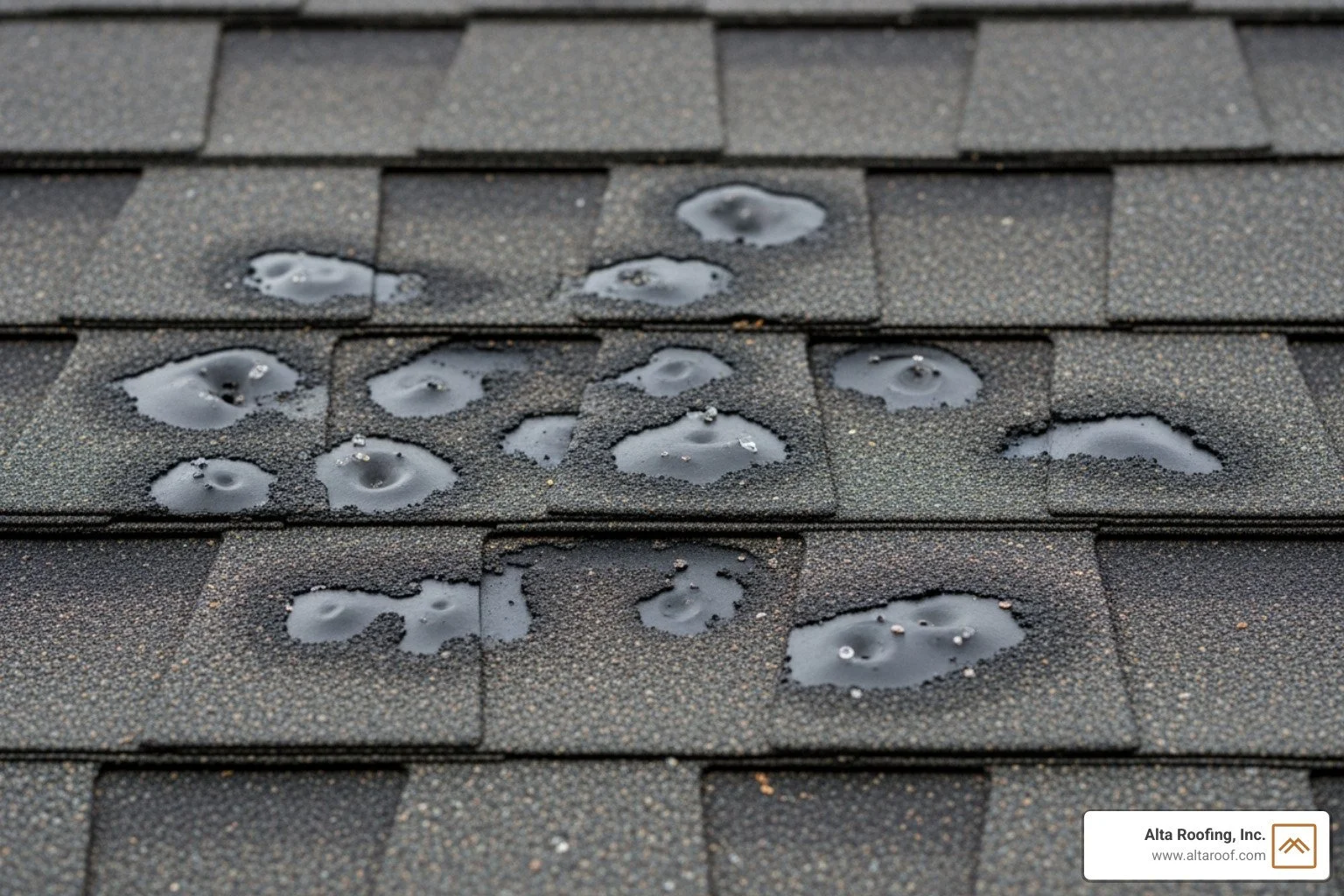
Is That Hail Damage? A Picture Guide for Your Roof
Unmasking Hail Damage: A Visual Guide
Spotting hail damage on roof pictures can be tricky. But knowing what to look for helps you protect your home. Here’s a quick guide to what hail damage often looks like:
What Hail Damage Looks Like on Your Roof:
- Asphalt Shingles: Dark, soft dents (bruising), areas where protective granules are missing (bald spots), or small cracks.
- Metal Roofs: Visible dents or dings on the surface.
- Wood Shakes: Splits, cracks, or gouges.
- Other Exterior: Dented gutters, downspouts, air conditioner fins, or chipped paint on siding and decks.
Every year, hailstorms cause billions of dollars in property damage across the U.S. In fact, nearly half of all homeowner insurance claims involve hail or wind. Many homeowners don't even realize their roof has been hit. Damage often can't be seen from the ground. This guide uses pictures to help you understand what to look for. Always remember: safety first. Never climb on your roof if you suspect damage; inspect from the ground.
Barry Goers is an entrepreneur and investor with deep roots in the construction industry. He understands the critical importance of identifying hail damage on roof pictures for homeowners facing post-storm repairs. This article aims to make that process clearer and simpler for you.
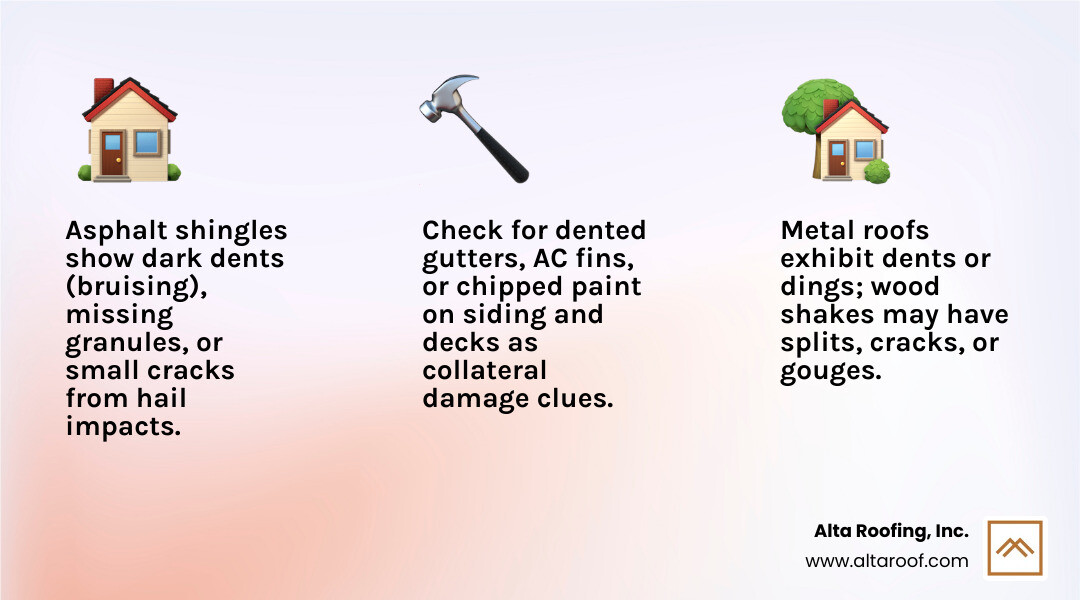
The First Clues: Identifying Hail Damage From the Ground
After a hailstorm rolls through Colorado, leaving its icy calling card across Denver, Colorado Springs, Aurora, or any of our service areas, your first instinct might be to look up at the roof. However, the safest and smartest first step is a thorough ground-level inspection of your property. We call this looking for "collateral damage." If hail was strong enough to damage items around your home, it’s a strong indicator your roof likely took a hit too.
What should you be on the lookout for? Start by walking around your home, paying close attention to these areas:
- Dented Gutters and Downspouts: These are often the easiest indicators. Hail impacts can leave visible dents, dings, or even cracks in aluminum or plastic gutters.
- AC Unit Fins: Check the condenser fins on your outdoor air conditioning unit. Small dents or flattening of these delicate fins are a tell-tale sign of hail impact.
- Chipped Deck Paint: If you have a painted deck, hail can chip away at the paint, leaving small, circular marks.
- Damaged Siding: Vinyl siding might show white stress lines, cracks, or even holes. Other types of siding can exhibit dents or chipped paint.
- Torn Window Screens: Hail can tear or puncture window screens.
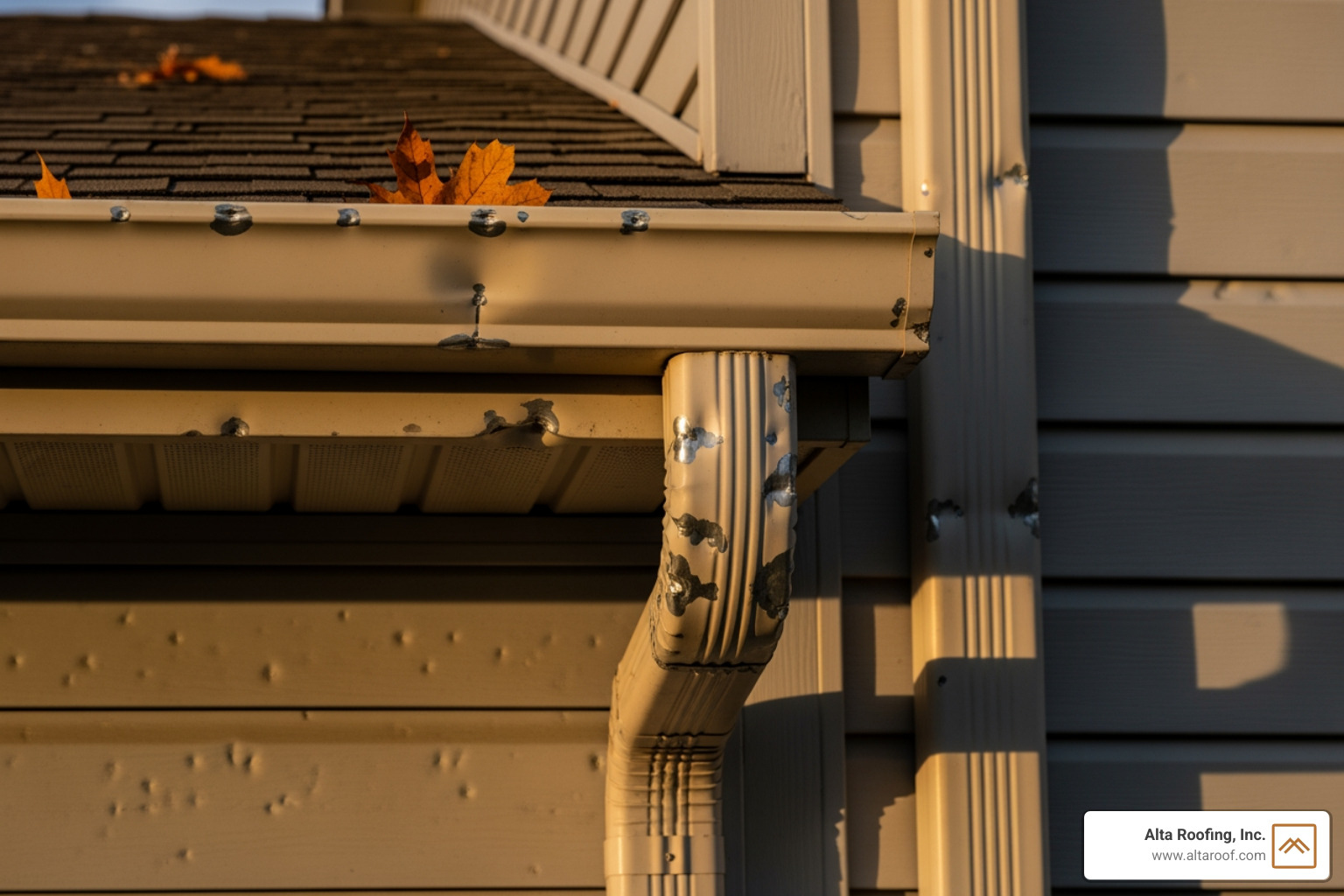
While a ground inspection is a great starting point, it has limitations. You might not see everything from down below. Subtle bruising or granule loss on shingles can be invisible from the ground, especially on higher-pitched roofs. This is where binoculars can be your best friend, allowing you a closer look at your roof's surface, vents, and flashing without risking a fall. For a comprehensive overview of our services, including roof inspections, visit Our Work.
What to Look for on Siding, Gutters, and Windows
When hail strikes, it doesn't discriminate. Your siding, gutters, and windows are just as vulnerable as your roof. Here’s a more detailed breakdown of what to identify:
- Dents and Dings: The most common sign. Look for circular indentations on metal gutters, downspouts, and even metal siding. These can vary in size depending on the hailstone.
- Cracks: Hail can crack vinyl siding, especially if it's older or brittle. On windows, look for spiderweb cracks or chips on the glass itself, or damage to the window sills and casings.
- Paint Chips: On painted surfaces like wooden siding, window frames, or deck railings, hail can cause paint to chip off, revealing the material underneath.
- Scouring Marks: Sometimes, hailstones can leave streak-like marks, particularly on painted metal surfaces, as they scrape along.
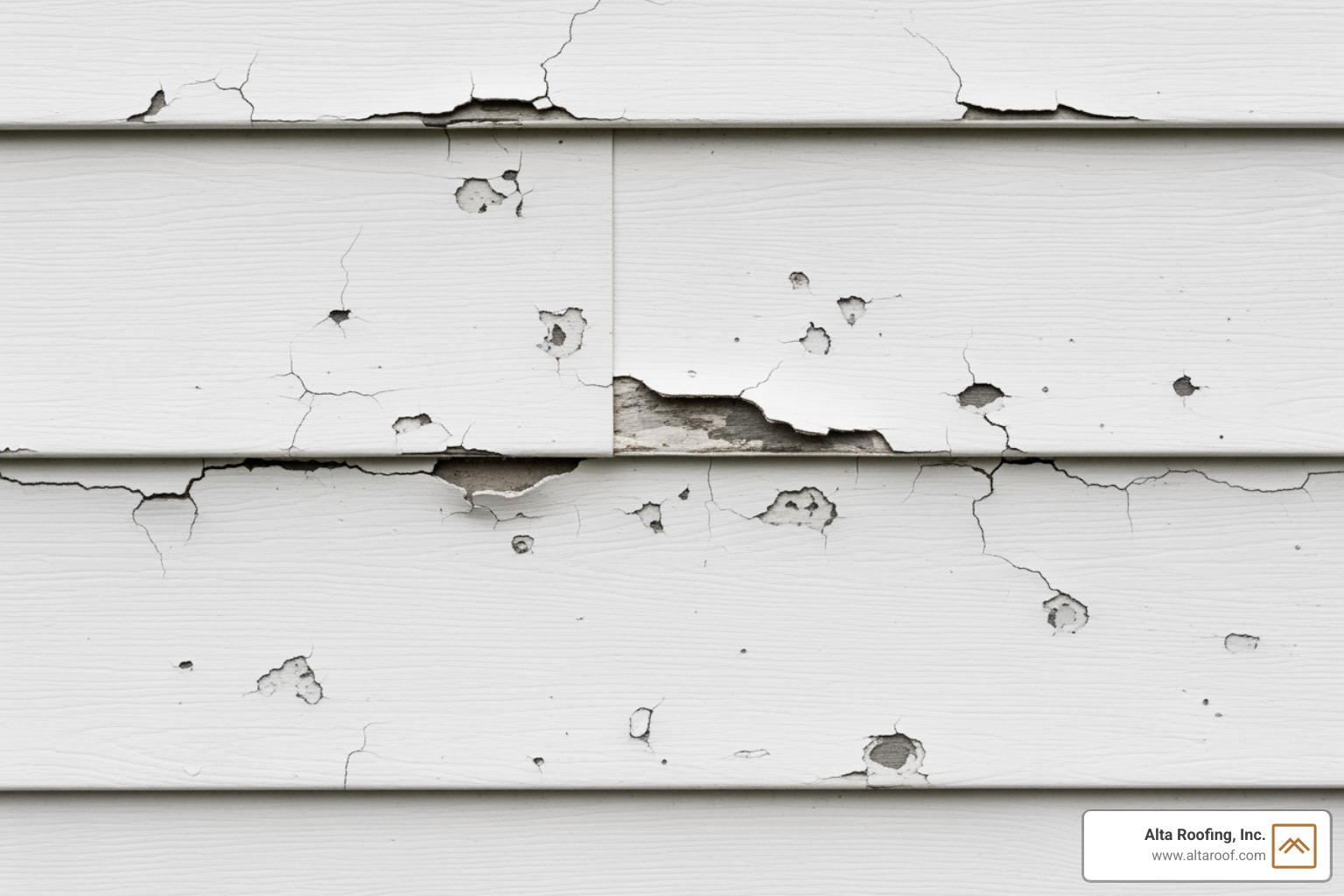
These external clues can provide crucial evidence when it comes time to assess the overall damage to your property.
Why a Ground Inspection Isn't Enough
While a ground-level inspection is essential for initial assessment and safety, it's rarely sufficient for a complete picture of hail damage on roof pictures. Here’s why:
- Hidden Damage: Hail often hits at an angle, and the impact points might be on the sides of shingles or tucked away in valleys, making them invisible from the ground.
- Subtle Bruising: On asphalt shingles, hail can cause "bruising" – a softening of the shingle mat beneath the granules – without immediately dislodging granules. This damage compromises the shingle's integrity but is almost impossible to see from afar.
- Roof Slope Issues: Different roof slopes and orientations catch hail differently. What looks fine from one side of the house might be severely damaged on another.
- Safety Risks of Climbing: Climbing onto a hail-damaged roof yourself is incredibly dangerous. Shingles can be slick, unstable, or even cracked, leading to falls. We strongly advise against it.
- Need for Professional Assessment: A professional roofer knows exactly where to look, how to identify subtle damage, and how to differentiate hail damage from normal wear and tear. They have the right safety equipment and expertise to conduct a thorough and accurate inspection.
For these reasons, if you suspect hail damage, your next step should always be to call a professional roofing company like Alta Roofing, Inc.
A Closer Look: Hail Damage on Roof Pictures for Different Materials
Once a professional roofer is on your roof (safely, of course!), they'll conduct a detailed inspection. One common technique involves marking hail hits with chalk. This helps to count impacts, differentiate them from other blemishes, and provides clear visual evidence for you and your insurance adjuster.
A critical distinction a professional will make is between functional and cosmetic hail damage. Functional damage impairs the roof's ability to protect your home, leading to leaks or shortening its lifespan. Cosmetic damage, on the other hand, affects the roof's appearance but not its protective function. This distinction is vital because it significantly impacts insurance claims, as we'll discuss later.
Hail Damage on Asphalt Shingles
Asphalt shingles are the most common roofing material in Colorado and are particularly susceptible to hail damage. Here's what hail damage on roof pictures of asphalt shingles often reveals:
Granule Loss: This is perhaps the most common sign. Hail impacts dislodge the protective ceramic granules that shield the asphalt layer from UV rays. This leaves dark, often circular, spots where the underlying asphalt is exposed. These exposed areas accelerate aging and can lead to leaks.
Bruising: Hail can impact a shingle with enough force to fracture the fiberglass mat underneath without immediately removing granules. This creates a soft spot, or "bruise," that can eventually lead to cracking or premature deterioration.
- Exposed Fiberglass Mat: In severe cases, the hail impact can completely remove the granules and asphalt, exposing the fiberglass matting beneath. This creates a direct path for water.
- Cracks and Fractures: While less common from hail alone, especially on newer shingles, hail can cause existing cracks to worsen or create new ones, particularly at the edges of shingles.
- Weakened Seal Strips: The adhesive strips that seal shingles together can be weakened or broken by hail, making them more vulnerable to wind uplift.
On average, it takes a 1-inch or above diameter hailstone to cause damage to common asphalt shingles. For more visual examples, you can check out What does hail damage look like on shingles?.
Hail Damage on Metal Roofs
Metal roofs, such as standing seam or corrugated metal, offer excellent durability, but they are not immune to hail. The damage often presents differently than on asphalt shingles:
Dents and Dings: The most obvious sign of hail damage on a metal roof is the presence of dents. These can range from small, subtle indentations to significant depressions, depending on the size and force of the hailstones.
Cosmetic vs. Functional Damage: Many dents on metal roofs are purely cosmetic, affecting appearance but not the roof's structural integrity or weatherproofing. However, deep dents, especially near seams or fasteners, can compromise the roof's function by affecting drainage or creating stress points.
- Scratched Paint: On painted metal roofs, hail can chip or scratch the protective coating, potentially leading to rust over time if left unaddressed.
- Punctures on Older Metal: While rare on modern, well-maintained metal roofs, extremely large hailstones can puncture older or thinner metal roofing materials.
Hail Damage on Wood Shakes and Other Materials
Wood shakes, popular in many Colorado homes for their rustic charm, react to hail very differently than asphalt or metal:
Splitting or Cracking: Wood shakes are more brittle than asphalt shingles. Hail impacts can cause the wood to split or crack, often with sharp, distinct edges. These splits can become entry points for water.
Gouges and Impact Marks: Large hailstones can gouge the surface of wood shakes, leaving noticeable impact marks.
- Tile Roof Damage: For tile roofs (clay or concrete), hail damage typically appears as chips, cracks, or dents. In severe hailstorms, some tiles may break off completely. Hail can also cause tiles to shift and loosen, compromising their protective capabilities.
- Slate Roof Damage: Slate, while durable, can chip, crack, or break from severe hail impacts, especially if the slate is older or has existing imperfections.
Identifying these distinct patterns of damage across different materials is where professional expertise truly shines.
Understanding the Impact: Hail Size, Wind, and Other Factors
The severity of hail damage on roof pictures isn't just about whether hail fell; it's a complex interplay of several factors. Hailstone characteristics, wind speed and direction, and even your roof's unique features all play a role.
Hailstones themselves vary greatly. They can be pea-sized (1/4-inch) or as large as softballs (4.5 inches or more). Field observations and ice stone impact tests have shown a direct correlation between hailstone size and damage potential. The shape of the hailstone also matters; irregularly shaped or crystallized hailstones can cause more concentrated damage than perfectly spherical ones.
Wind speed and direction are critical. Hailstones driven by high winds strike with greater force and can impact different sides of your roof. A roof side facing the wind during a hailstorm will likely sustain more damage than a sheltered side. The speed of their impact is between 44 to 72 mph for two to four-inch hailstones, which is significant.
Finally, your roof's age and condition, its slope, and orientation can influence its vulnerability. Older roofs with brittle materials or existing wear are more susceptible. A steeper roof might shed hail more easily but could also present a larger surface area to wind-driven hail.
What Size Hail Causes Roof Damage?
It’s a common question: how big does hail have to be to damage my roof? While there's no single magic number, general guidelines exist. On average, it takes a 1-inch or above diameter hailstone to cause damage to common asphalt shingles. However, factors like wind and shingle age can mean smaller hail can still cause issues.
Here's a general idea of hail size and its typical damage potential, especially for asphalt shingles:
| Hail Size (Diameter) | Common Comparison | Typical Damage Potential on Asphalt Shingles |
|---|---|---|
| 1/4 inch | Pea-sized | Minimal, mostly cosmetic, or only on very old/brittle roofs. |
| 1/2 inch | Marble-sized | Minimal to light cosmetic. |
| 3/4 inch | Penny-sized | Light cosmetic, potential granule loss on older roofs. |
| 1 inch | Quarter-sized | Significant granule loss, bruising, minor cracking, especially with strong winds. Often the threshold for claimable damage. |
| 1.25 inches | Half-dollar-sized | Moderate granule loss, bruising, cracking. Increased risk of functional damage. |
| 1.75 inches | Golf ball-sized | Severe granule loss, bruising, significant cracking, potential mat fracture, dents on metal components. |
| 2 inches | Hen egg-sized | Extensive functional damage, widespread granule loss, mat fracture, punctures possible. |
| 2.75 inches | Baseball-sized | Devastating damage, including punctures, structural harm, and severe collateral damage. Baseball size hailstones fall at nearly 100 miles per hour. |
It’s important to remember that hailstones vary in size and shape, impacting the severity of damage. For more on this, check out Hailstone size variations.
What is Hail Spatter and Is It Considered Damage?
When hail hits a dirty or dusty roof, it can sometimes clean off small, circular areas. This phenomenon is called "hail spatter." It looks like clean, round spots against a dirtier background.
Is it considered claimable damage? Generally, no. Hail spatter is primarily an aesthetic effect. It doesn't compromise the integrity of your roofing materials or reduce its functional lifespan. While it's a clear indicator that hail fell and hit your roof, it's not typically considered functional damage by insurance companies. However, hail spatter can be a helpful clue for a professional inspector, signaling that a more thorough search for actual functional damage is warranted.
From Damage to Dollars: The Insurance Claim Process
Finding hail damage can be stressful, but understanding the insurance claims process can ease the burden. Most homeowners insurance policies cover hail damage, often classifying it as an "Act of God" or a weather-related event.
A key aspect of your policy to understand is the difference between Actual Cash Value (ACV) and Replacement Cost Value (RCV). ACV policies pay out the depreciated value of your roof, while RCV policies cover the cost of a new roof at today's prices. Your deductible will also play a role, as this is the amount you're responsible for before your insurance coverage kicks in.
Steps to Take Immediately After a Storm
Time is often of the essence after a hailstorm, especially in Colorado where subsequent storms can complicate things. Here’s what we recommend you do:
- Document the Date and Time: Note when the storm occurred. This helps link any damage directly to a specific event for your insurance claim.
- Take Photos of Hailstones: If it's safe to do so, immediately after the storm, take pictures of any remaining hailstones on the ground or in gutters. Include a ruler, coin, or even your hand for scale. This provides concrete evidence of hail size.
- Perform a Safe Ground Inspection: As discussed, walk around your property and look for collateral damage on siding, gutters, AC units, and decks. Document everything with photos.
- Find a Reputable Contractor: Before even calling your insurance company, contact a local, reputable roofing company like Alta Roofing, Inc. We offer free, no-obligation inspections. Our experts can assess the damage accurately and advise you on whether filing a claim is appropriate. This prevents unnecessary claims if the damage is minor.
- Prevent Further Damage: If there's any immediate risk of water intrusion, take temporary measures like covering damaged areas with a tarp. Keep receipts for any emergency repairs, as these may be reimbursable. For more insights on when a repair or replacement might be necessary, visit our guide on How to Know When It's Time to Replace Your Roof.
Navigating the Claim: Evidence and Adjusters
Once you've had a professional assessment and decided to move forward, the next phase is navigating the insurance claim:
- Filing the Claim: Contact your insurance provider as soon as possible. Most insurance policies require you to file a claim within one to two years of the storm event, but acting immediately is always best. Waiting too long can make it harder to prove the damage was from a specific storm.
- Meeting the Adjuster: Your insurance company will send an adjuster to assess the damage. It is crucial to have your chosen roofing contractor present during this inspection. Our experts can point out all the damage, ensuring nothing is missed, and speak the "insurance language" to advocate on your behalf.
- Evidence is Key: Provide the adjuster with all the documentation you've gathered: photos of hailstones, collateral damage, and your contractor's detailed inspection report, complete with chalk-marked hail damage on roof pictures.
- Reviewing the Adjuster's Report: The adjuster will create an estimate (often an Xactimate estimate). Review this carefully with your contractor to ensure all damage is included and the proposed repair or replacement costs are fair. If there are discrepancies, your contractor can help you negotiate.
Functional vs. Cosmetic Damage: What Your Policy Covers
This distinction is where many homeowners encounter challenges during the claims process.
- Functional Damage: This refers to damage that impairs the roof's ability to protect your home. Examples include significant granule loss exposing the asphalt mat, cracks that allow water penetration, punctures, or widespread bruising that shortens the roof's lifespan. Functional damage typically warrants an insurance payout for repair or replacement.
- Cosmetic Damage: This affects the appearance of your roof but not its protective function. Small dents on a metal roof, minor granule loss that doesn't expose the mat, or hail spatter are often considered cosmetic.
In 2013, the American Association of Insurance Services introduced a "Cosmetic Damage Exclusion" option for insurers. This means some policies may explicitly exclude coverage for purely cosmetic damage. It's vital to understand your specific policy and to rely on a professional roofer to help distinguish between cosmetic and functional damage, ensuring you receive the coverage you deserve. We specialize in navigating these complexities for our Colorado clients. Learn more about how we can assist with storm restoration on our Services page.
Repair, Replace, or Reinforce: Your Roof's Future
Ignoring hail damage is like ignoring a small leak in a boat – it will eventually lead to bigger problems. The potential long-term consequences of leaving hail damage unaddressed can be severe and costly:
- Leaks: The most immediate and obvious concern. Damaged shingles or compromised flashing create entry points for water.
- Mold and Mildew: Water intrusion can lead to mold and mildew growth in your attic, walls, and ceilings, posing health risks and requiring expensive remediation.
- Structural Rot: Persistent leaks can cause the roof deck, rafters, and other structural components to rot, weakening your home's integrity.
- Shortened Roof Life: Even seemingly minor granule loss exposes the asphalt to UV rays, accelerating its degradation and significantly shortening the roof's lifespan.
- Higher Energy Bills: A compromised roof can lose its insulating properties, leading to increased heating and cooling costs.
- Future Claim Denials: If you experience a second storm and haven't addressed previous damage, your insurance company might deny subsequent claims, arguing the damage was pre-existing.
Deciding whether to repair or replace your roof after hail damage depends on the extent of the damage, the age of your roof, and your insurance policy. Our experts at Alta Roofing, Inc. will help you make the best decision for your home in Colorado.
Typical Repair and Replacement Methods
Once the damage is assessed, we'll determine the best course of action:
- Shingle Replacement: For isolated hail hits or minor damage, individual asphalt shingles can be carefully removed and replaced. This is often an option if the damage is confined to a small area and matching shingles are available.
- Patching: For metal roofs, small dents might be repairable through patching or specialized dent removal techniques, though this is less common for widespread hail damage.
- Full Roof Replacement: This is often the most common outcome for significant hail damage, especially if the damage is widespread across multiple roof slopes, the roof is older, or matching shingles are no longer available. A full replacement ensures your entire roof is restored to optimal protective condition.
- Emergency Tarping: In cases of severe damage with immediate leak risks, temporary tarping can be used to protect your home while awaiting permanent repairs or replacement.
Upgrading to Impact-Resistant Roofing
If you're replacing your roof, consider upgrading to impact-resistant (IR) roofing materials. This can be a smart long-term investment, especially in hail-prone areas like Colorado.
- Class 4 Rated Materials: The gold standard for hail resistance, Class 4 shingles (and other materials) have passed rigorous testing under the UL 2218 standard. They are designed to withstand impacts from steel balls dropped from significant heights without cracking or puncturing.
- Potential Insurance Discounts: Many insurance companies offer discounts on homeowner's premiums for installing Class 4 rated roofs, as they significantly reduce the risk of future hail damage claims.
- Long-Term Value: While initially more expensive, IR roofs offer superior protection, potentially saving you money on future repairs and providing peace of mind.
For a list of qualifying products, you can refer to resources like Products Qualifying for Impact Resistant Roofing Credits. We can help you explore these options for your home in Castle Rock, Parker, or any of our Colorado service locations.
Frequently Asked Questions about Hail Damage on Roof Pictures
We hear a lot of questions from homeowners after a hailstorm. Here are some of the most common ones:
How long do I have to file a hail damage claim?
Most insurance policies require you to file a claim within one to two years of the storm event. However, we strongly advise acting immediately after suspecting damage. Waiting can make it harder to link the damage to a specific storm, as other factors (like wear and tear or subsequent minor weather events) could complicate the assessment. Some insurers may even have shorter notification requirements, so always check your specific policy for deadlines. Don't let a small window of opportunity close on you.
Will filing a hail claim increase my insurance rates?
Generally, no. Hail damage is typically considered an "Act of God" or a weather-related event, which is a no-fault claim. Unlike at-fault claims (like liability for an accident), it usually does not impact your individual premium. However, it's worth noting that if an entire region, like Colorado Springs or Denver, experiences widespread catastrophic hail events, overall insurance rates for everyone in that area might see adjustments due to the high volume of claims.
Can I just get my roof repaired instead of replaced?
It depends on the extent and type of the damage. If there are only a few isolated damaged shingles and your roof is relatively new, a repair might be a viable option. However, if the damage is widespread across multiple roof slopes, if your roof is older, or if the specific shingle type is discontinued and a perfect match isn't possible, a full roof replacement is often the only viable and insurable solution. A professional inspection from Alta Roofing, Inc. will provide a clear recommendation based on the full scope of the damage.
Secure Your Home After the Storm
Inspecting for hail damage on roof pictures is crucial for protecting your home's value and integrity. This picture guide shows that from dented gutters to bruised shingles, the signs can be both obvious and subtle. Documenting everything and acting quickly is key. For homeowners in Colorado, navigating the aftermath of a storm and the complexities of an insurance claim can be overwhelming. Working with a local expert like Alta Roofing, Inc. ensures all damage is found and your claim is handled professionally, restoring your peace of mind. If you suspect hail damage in Denver, Aurora, Thornton, Lakewood, Colorado Springs, Castle Rock, Manitou Springs, Elizabeth, Parker, Golden, Arvada, Woodland Park, Highlands Ranch, Littleton, Lone Tree, Fountain, Centennial, Englewood, Castle Pines, or Monument, don't wait for a small leak to become a big problem.
Contact Us for a professional inspection; Alta Roofing Inc. is your storm restoration expert and insurance claim assistance partner, proudly serving Colorado.
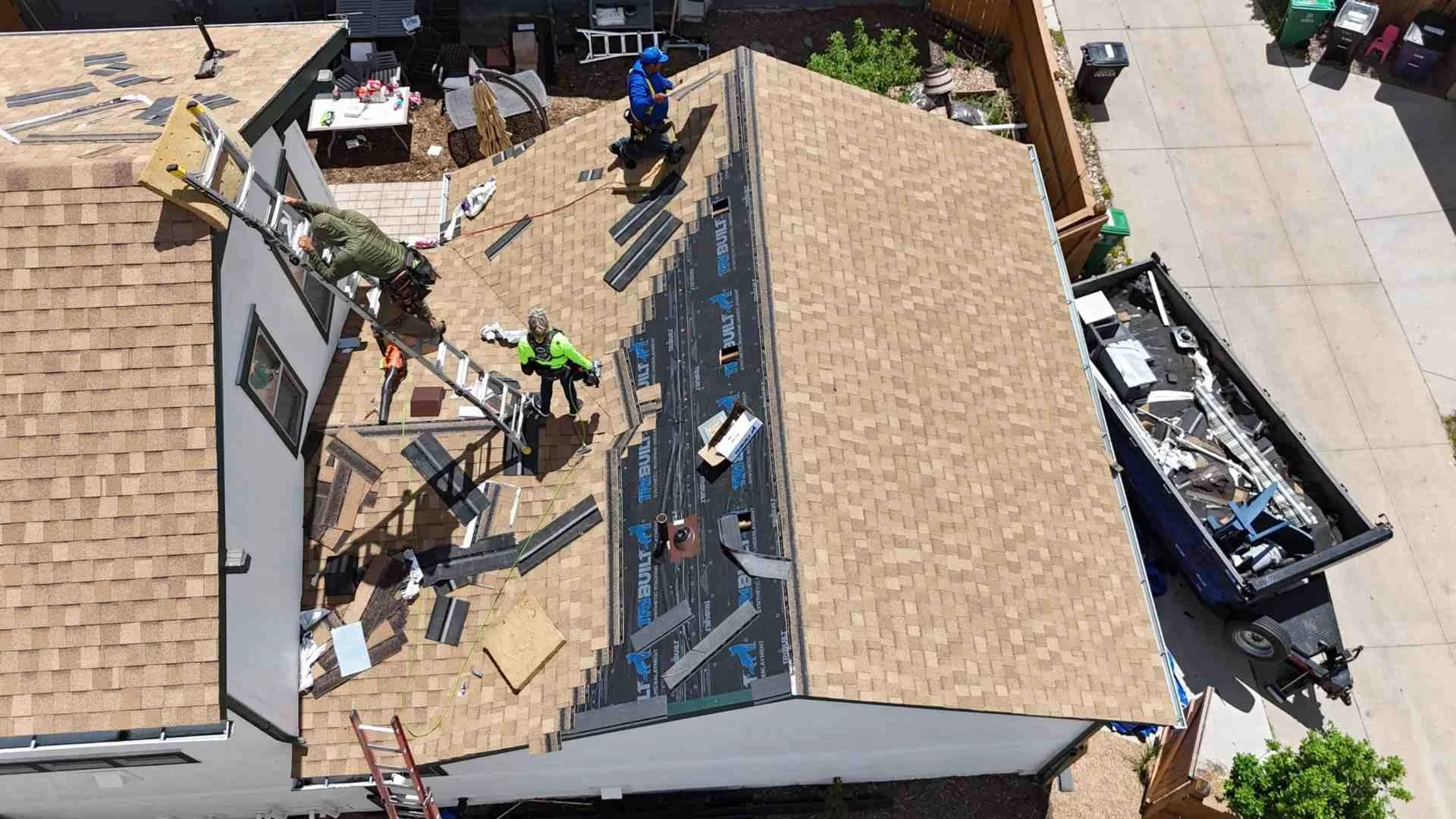
Don't Get Ripped Off: How to Find a Reputable Roofer in Colorado Springs
Why Your Choice of Roofer Matters in Colorado Springs

Finding reliable roofers in colorado springs co starts with understanding what makes a contractor trustworthy in this unique climate. Here's what you need to know:
Quick Guide to Finding Reputable Colorado Springs Roofers:
- Verify credentials - Check for local business licenses, insurance (liability + workers' comp), and manufacturer certifications like GAF Master Elite
- Look for BBB A+ ratings - Companies like Diversified Roofing, Pristine Roofing, and Elite Roofing all maintain top ratings
- Confirm local experience - Choose contractors who understand Colorado's hail storms, heavy snow loads, and high-altitude UV exposure
- Get free inspections - Most reputable roofers offer no-obligation assessments with detailed reports
- Ask about insurance claims help - The best contractors guide you through the entire claim process
Colorado Springs sits in a uniquely challenging position for roofs. The Pikes Peak region experiences some of the most extreme weather in the country—massive hail storms, heavy snow loads exceeding 40 pounds per square foot, intense high-altitude UV exposure, and temperature swings that cause constant freeze-thaw cycles.
Your roof isn't just another home improvement project here. It's your first line of defense against weather that can cause thousands of dollars in damage in minutes. A hail storm like the one that hit on May 7, 2015 (which dropped 5 inches of hail on the ground) can compromise your entire roofing system overnight.
But here's the problem: storm damage brings out both the best contractors and the worst opportunists. Out-of-state "storm chasers" appear after every major weather event, offering quick fixes and disappearing before warranties matter. Meanwhile, over 1,000 roofing contractors operate in the Colorado Springs area—making it hard to separate the trustworthy from the fly-by-night operators.
The stakes are high. Choose the wrong contractor and you might face shoddy workmanship, insurance claim nightmares, or even contractors who demand equity in your property (yes, this actually happened to a Colorado Springs homeowner). Choose the right one and you'll have a partner who handles everything from insurance paperwork to final cleanup.
I'm Barry Goers, and through my work with Tarben Ventures and investments in the construction industry, I've seen what separates exceptional roofers in colorado springs co from the rest. This guide will walk you through exactly how to find a contractor you can trust with one of your home's most critical systems.
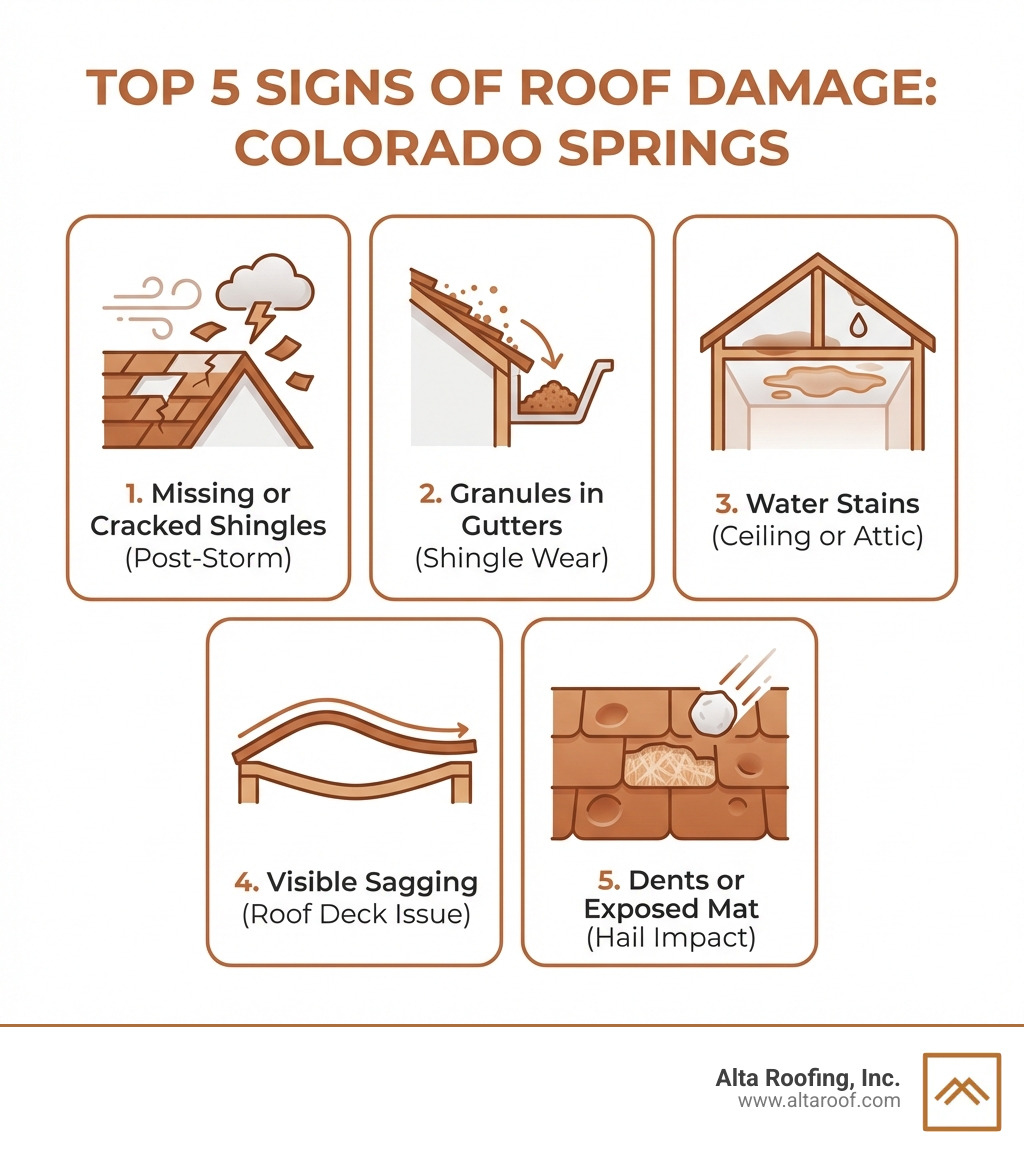
Step 1: Recognizing the Warning Signs Your Roof Needs Help
Before you even start looking for roofers in colorado springs co, it's crucial to understand when your roof might be trying to tell you something. Catching issues early can save you a world of trouble (and money!). Colorado's harsh climate means wear and tear happens faster here than in milder regions, so regular checks are key.
Here are the top warning signs that your roof needs professional attention:
- Missing or Cracked Shingles: This is often the most obvious sign, especially after a Colorado windstorm or hail event. Missing shingles expose the underlayment to the elements, while cracked or curled shingles indicate they're losing their protective capabilities. Our Pikes Peak weather is no joke; those shingles take a beating!
- Granules in Gutters: Those little sand-like bits in your gutters aren't just dirt; they're the protective granules from your asphalt shingles. As shingles age or get battered by hail, they shed these granules. Excessive granule loss means your shingles are deteriorating and losing their UV protection, which is particularly important at Colorado's high altitude.
- Ceiling Water Stains or Leaks in the Attic: This is a clear indicator that water is getting where it shouldn't. Don't ignore it! A small stain can be a symptom of a much larger, hidden problem, potentially leading to mold, rot, and structural damage. If you spot water, it's time to call in the professionals.
- Sagging Roof Deck: If your roof looks like it's developing a gentle curve or dip, that's a serious red flag. Sagging can indicate structural issues, water damage to the decking, or improper installation. It's not just an aesthetic problem; it compromises the entire integrity of your roof.
- Age of the Roof: Even if your roof looks okay from the ground, its age is a significant factor. Most asphalt shingle roofs in Colorado last 20-30 years, but extreme weather can shorten that lifespan. If your roof is nearing or past its expected life, it's wise to have it inspected.
- Post-Storm Inspection: After every major hail or windstorm (and trust us, Colorado Springs gets its fair share), a professional roof inspection is a must. Hail damage isn't always visible from the ground, but even small dents can compromise the shingle's mat, leading to future leaks. Wind can lift and loosen shingles without them immediately flying off.
Recognizing these signs helps you act proactively. We offer comprehensive services for all your roofing needs, from minor repairs to full replacements. Don't wait until a small leak becomes a major disaster! More info about our services
Step 2: Vetting Potential Roofing Contractors
Once you suspect your roof needs attention, the next (and arguably most important) step is finding a reputable contractor. This isn't just about getting a good price; it's about securing your home's protection for years to come. With over a thousand roofing contractors in the Colorado Springs area, knowing how to sift through the options is critical.

Verifying Credentials for Roofers in Colorado Springs CO
This is where you separate the pros from the "pretenders." A legitimate roofing company will have no problem providing proof of their credentials.
- Local Business License: Ensure the company is licensed to operate in Colorado Springs and the surrounding areas where we serve, such as Denver, Aurora, Thornton, Lakewood, Castle Rock, Manitou Springs, Elizabeth, Parker, Golden, Arvada, Woodland Park, Highlands Ranch, Littleton, Lone Tree, Fountain, Centennial, Englewood, Castle Pines, and Monument. This confirms they're a recognized entity.
- Proof of Insurance (Liability & Workers' Compensation): This is non-negotiable. Liability insurance protects your property in case of accidental damage during the project. Workers' compensation protects you from being liable if a worker gets injured on your property. Don't just take their word for it; ask for current certificates of insurance directly from their insurance provider.
- Manufacturer Certifications: Top manufacturers like GAF and Owens Corning offer advanced certifications to select roofers in colorado springs co who meet stringent quality, training, and ethical standards.
- GAF Master Elite: Companies like Roofcorp, Integrity Roofing and Painting, and others hold this prestigious certification. It means they're among the top 2-3% of all roofing contractors nationwide, allowing them to offer improved warranties on GAF products.
- Owens Corning Platinum Preferred: Similarly, Integrity Roofing and Painting is also an Owens Corning Platinum Preferred contractor. These certifications are a strong indicator that the company stays updated on industry best practices and uses top-performing products. These certifications aren't just fancy badges; they often mean the contractor can offer better warranties than non-certified installers.
- BBB Rating and Accreditation: The Better Business Bureau (BBB) is a fantastic resource for checking a company's reliability and complaint history. We recommend looking for companies with an A+ rating, which signifies a strong commitment to customer satisfaction and ethical business practices. Many excellent roofers in colorado springs co boast A+ ratings, including Diversified Roofing & Construction, Pristine Roofing & Gutters, Elite Roofing & Solar, Meyer Roofing Inc, Divine Roofing Inc., A & I Skyline Roofing, Rampart Roofing, Inc., Pioneer Construction, LLC, Front Line Roofing and Restoration, Snap Shot Roofing & Gutters, High Valley Roofing LLC, Premier Roofing Company, Reliable Roofing Systems Inc, and Interstate Roofing Inc. You can easily check these ratings directly on the BBB website.
Checking Reviews and Past Work
Once you've narrowed down your list based on credentials, dive into what other customers are saying and see their work firsthand.
- Online Reviews: Google, Yelp, and Angi are your best friends here. Look beyond just the star rating; read the comments. Do people praise their communication, cleanliness, and professionalism? Rampart Roofing, Inc., for example, is rated 4.9 out of 5 stars based on over 500 reviews, indicating consistent customer satisfaction. We always encourage checking multiple platforms to get a balanced view.
- Customer Testimonials: Many reputable roofers in colorado springs co proudly display testimonials on their websites. Look for detailed stories that highlight specific positive experiences, such as effective insurance claim handling or meticulous cleanup. Roofcorp's website, for instance, features numerous testimonials often praising specific project managers for their integrity and communication.
- Photo Galleries of Completed Projects: A picture is worth a thousand words, especially when it comes to roofing. Reviewing a contractor's gallery can give you a sense of their craftsmanship and attention to detail. We are proud of our past projects and invite you to see for yourself: See our past projects
- Asking for Local References: Don't be shy about asking for references from homeowners in your area. A truly confident contractor will be happy to provide them. This allows you to speak directly with past clients about their experience and even see the completed work in person. It's also a great way to gauge their local experience and commitment to the community.
Step 3: Understanding Key Services and Materials for the Local Climate
Colorado's unique weather demands specific roofing solutions. A good roofer isn't just an installer; they're an advisor who understands how to protect your home against the elements.
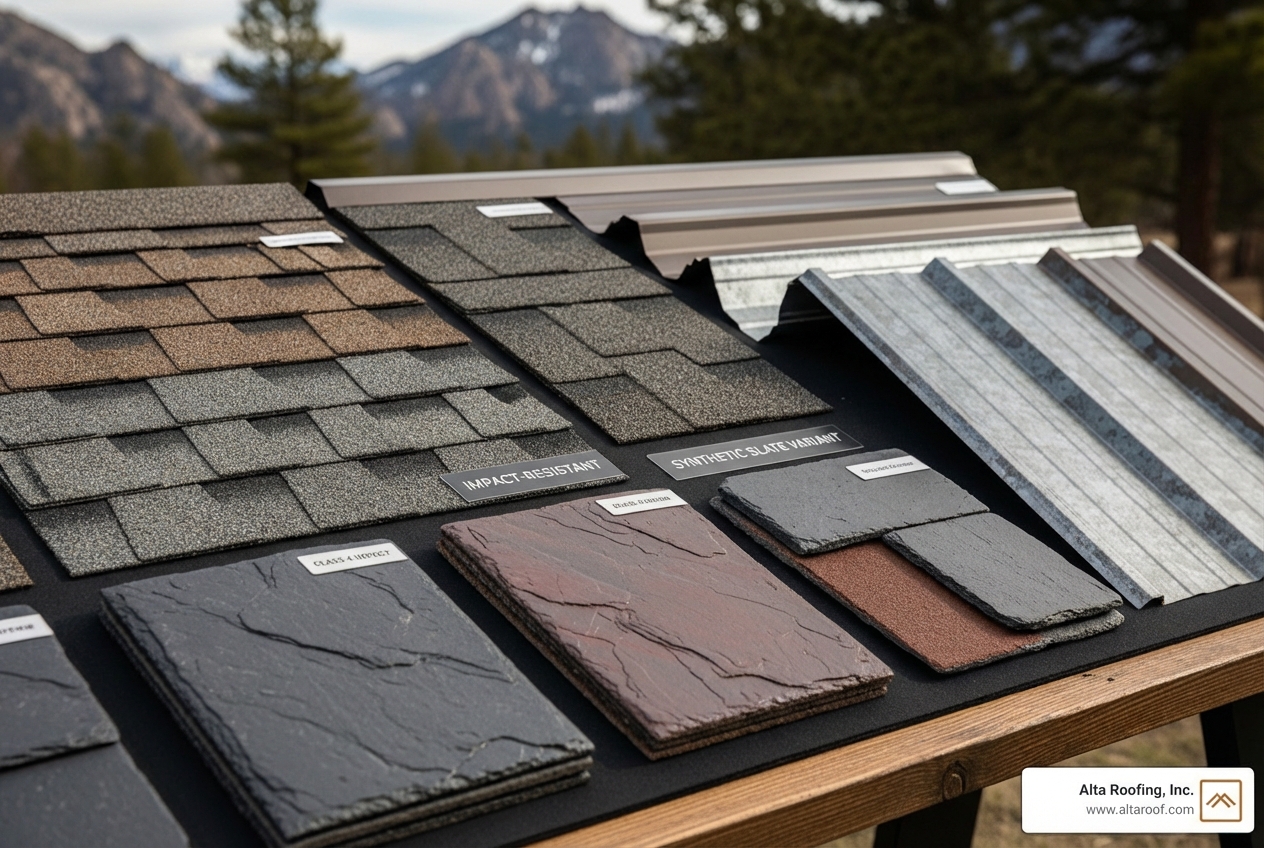
Common Services Offered by Roofers in Colorado Springs CO
The best roofers in colorado springs co offer a comprehensive suite of services, ensuring they can handle any challenge Mother Nature throws your way.
- Roof Repair: From minor leaks to damaged flashing, effective repairs can extend the life of your roof. We address everything from routine maintenance to post-storm fixes.
- Roof Replacement: When repairs aren't enough, a full roof replacement is necessary. This includes removing the old roof, inspecting the decking, installing new underlayment, and applying your chosen roofing material.
- Storm Damage Restoration: This is a big one in Colorado. Specializing in storm damage means they're experts at identifying hail and wind damage, working with insurance companies, and restoring your roof to pre-loss condition or better. Our company, Alta Roofing, Inc., specializes in comprehensive storm damage restoration and handling insurance claims.
- New Construction Roofing: Installing roofs on newly built homes and commercial properties, ensuring proper installation from the ground up.
- Commercial Roofing: Beyond residential, many contractors handle large-scale commercial projects, offering specialized materials like TPO, EPDM, metal, and modified bitumen.
- Gutter Installation & Repair: Gutters are an integral part of your roofing system, directing water away from your foundation. Many roofers, like Roofcorp, also offer seamless gutter installation.
- Ancillary Services: Some full-service contractors, such as Aspen Contracting or Integrity Roofing and Painting, also offer services like siding, painting, and even skylight installation or fascia repair, allowing for a more streamlined project if multiple exterior components are damaged.
We pride ourselves on offering all these services and more, ensuring we're your single point of contact for exterior home protection. More info about services
Choosing Materials That Withstand Colorado Weather
This is where local expertise truly shines. The right material choice can make all the difference in a climate with heavy snow, intense sun, and frequent hail.
- Impact-Resistant Shingles (Class 4 Hail Rating): This is a game-changer for Colorado homes. Class 4 impact-resistant shingles are designed to withstand significant hail strikes, offering superior protection compared to standard asphalt shingles. Many insurance companies even offer discounts for these, making them a smart investment.
- Metal Roofing: Metal roofing systems excel in Colorado's challenging environment. They shed snow efficiently, are highly resistant to hail, and can handle extreme temperature fluctuations. They also offer excellent energy efficiency, with some clients reporting 20-30% reductions in cooling costs. With warranties often extending 30-50 years, they're a long-term solution.
- Synthetic Slate & Shake: For homeowners seeking the aesthetic appeal of natural slate or wood shake without the maintenance or weight, synthetic options are fantastic. Brands like Malarkey offer sustainable and impact-resistant solutions. These lightweight materials also reduce structural stress and come with impressive warranties.
- Asphalt Shingles: Still the most common and affordable option, modern asphalt shingles are far more durable than their predecessors. When properly installed and chosen for the climate (e.g., premium lines tested for temperature extremes like CertainTeed), they can provide 20-30 years of reliable protection.
- Energy Efficiency & UV Resistance: At Colorado's high altitude (6,000+ feet), UV exposure is intense. Look for materials designed to resist UV degradation. Additionally, light-colored or reflective materials can improve energy efficiency, keeping your home cooler in the summer.
To help you visualize your choices, some manufacturers offer great tools. For instance, Malarkey provides a shingle color selector: Visualize your new roof with this shingle selector
Step 4: The Estimate and Insurance Claim Process
This is often the most confusing part for homeowners, especially after a storm. A reputable roofer will guide you through it with transparency and expertise.
Getting a Free, Detailed Inspection and Estimate
Almost all reputable roofers in colorado springs co offer free inspections and estimates – and for good reason. It's the first step to understanding your roof's condition and the scope of any necessary work.
- No-Obligation Inspections: This means you're not committing to anything by getting an inspection. It's a professional assessment of your roof's health. We are happy to provide these free, comprehensive assessments.
- Itemized Estimates: A good estimate won't just be a lump sum. It will be detailed and itemized, breaking down costs for materials, labor, permits, and any additional services. This transparency helps you understand exactly what you're paying for.
- Written Contracts: Always insist on a written contract that clearly outlines the scope of work, materials to be used, project timeline, payment schedule, and warranty information. Read it carefully! One Colorado Springs homeowner experienced a contractor trying to make them an "equity partner" through an unrealistic contract – don't let that happen to you.
- Understanding Scope of Work: The estimate should clearly define what will be repaired or replaced. Will they fix the original builder issues at no extra charge, as one of Roofcorp's project managers did for a client? Will they carefully clean up the site afterward? These details matter.
- Avoiding High-Pressure Sales: Be wary of contractors who pressure you into signing a contract on the spot or demand upfront payment before work begins. Reputable companies, like Aspen Contracting, often don't require upfront payments and only ask for payment upon your satisfaction.
We believe in transparency and empowering homeowners with information. You can even get an instant quote for some services to start your planning: Get an Instant Quote
Why Insurance Claim Expertise is Crucial
In Colorado, where hail and wind damage are common, dealing with insurance claims is almost as important as the roofing work itself. This is where a storm restoration specialist truly shines.
- Navigating Insurance Paperwork: Insurance claims can be complex and confusing. An experienced roofer will help you understand the process, fill out necessary forms, and ensure all required documentation is submitted correctly.
- Meeting with Adjusters: A knowledgeable contractor will meet with your insurance adjuster to point out all damage, ensuring nothing is missed. They speak the insurance "language" and can advocate on your behalf to ensure you receive a fair settlement. Roofcorp, for example, has more than seven decades combined experience working with insurance and warranty claims. Integrity Roofing and Painting also offers assistance with claims, helping homeowners find the best course of action.
- Documenting Damage: Comprehensive documentation, including photos and detailed reports from your free inspection, is vital for a successful claim. This evidence helps prove the extent of the damage to your insurer.
- Ensuring Fair Coverage: Your roofer should work to ensure your insurance covers all necessary repairs or replacements, including any upgrades required by current building codes or for improved storm resistance (like Class 4 shingles). We ensure you get the coverage you deserve.
- Single Point of Contact: This is our unique selling proposition at Alta Roofing. Dealing with storm damage often means coordinating multiple trades—roofing, gutters, painting, sometimes even siding or windows. We act as your single point of contact, managing all aspects of the restoration, from the initial insurance claim to coordinating every trade, making the process as stress-free as possible for you. This means less hassle and more peace of mind.
Frequently Asked Questions about Colorado Springs Roofing
We get a lot of questions about roofing in our beautiful, but sometimes tempestuous, state. Here are some of the most common ones we hear:
How often should my roof be inspected in Colorado Springs?
Given Colorado's extreme weather conditions, we recommend annual roof inspections. The ideal time is often in late spring, after the winter snows and before the summer hail season fully kicks in. This allows professionals to assess any damage from heavy snow loads, freeze-thaw cycles, or early spring winds. Of course, after any major hail or wind storm, a professional inspection is crucial, even if it's not your usual annual check. Catching problems early is key to preventing costly, extensive damage down the line.
Will my homeowner's insurance cover a full roof replacement?
Generally, Colorado insurance policies typically cover sudden and accidental storm damage, which includes hail, wind, and even issues related to heavy snow loads. However, coverage for a full roof replacement depends heavily on your specific policy and the nature of the damage. Insurance usually does not cover normal wear and tear or damage due to lack of maintenance. An experienced roofer will provide thorough documentation and work directly with your insurance adjuster to help ensure you receive fair coverage for legitimate storm damage, potentially leading to a full replacement. It's always best to have your roofer assist with the claim process.
How long does a typical roof replacement take?
For most residential roofs in Colorado Springs, a typical replacement can take anywhere from 1 to 3 days. This timeline can vary significantly based on several factors:
- Weather Dependency: Colorado weather is famously unpredictable. Sudden rain, snow, or high winds can cause delays. Reputable roofers schedule projects carefully and have contingency plans.
- Project Size and Complexity: Larger homes, roofs with steep pitches, or complex architectural features will naturally take longer than smaller, simpler roofs.
- Material Availability: While most materials are readily available, specialized products or supply chain issues (as seen in recent years) can sometimes impact timelines.
- Crew Efficiency: Experienced and well-organized crews work efficiently without sacrificing quality. For example, some companies can complete a hail-damaged roof replacement in a single day, as noted by a Roofcorp customer.
Your chosen contractor should provide a clear timeline in your written contract and keep you updated on progress and any potential delays.
Conclusion: Find a Partner, Not Just a Roofer
Navigating roofers in colorado springs co doesn't have to be a headache. By following these steps—from recognizing warning signs to carefully vetting contractors and understanding the insurance process—you can protect your home and your peace of mind.
You're not just looking for someone to nail down shingles; you're looking for a trusted partner in home protection. A good roofer will prioritize communication, transparency, quality craftsmanship, and a deep understanding of Colorado's unique climate challenges. They'll also be your advocate when dealing with complex insurance claims, acting as a single point of contact to coordinate all necessary trades for a seamless storm restoration process.
We at Alta Roofing are committed to being that partner for homeowners across Colorado, from Colorado Springs to Denver, Aurora, Lakewood, and beyond. We specialize in comprehensive storm damage assessments and guiding you through every step of the repair or replacement journey.
Don't let Colorado's extreme weather leave your home vulnerable. Contact Us for a comprehensive storm damage assessment today, and let us help you build a stronger, more resilient roof.
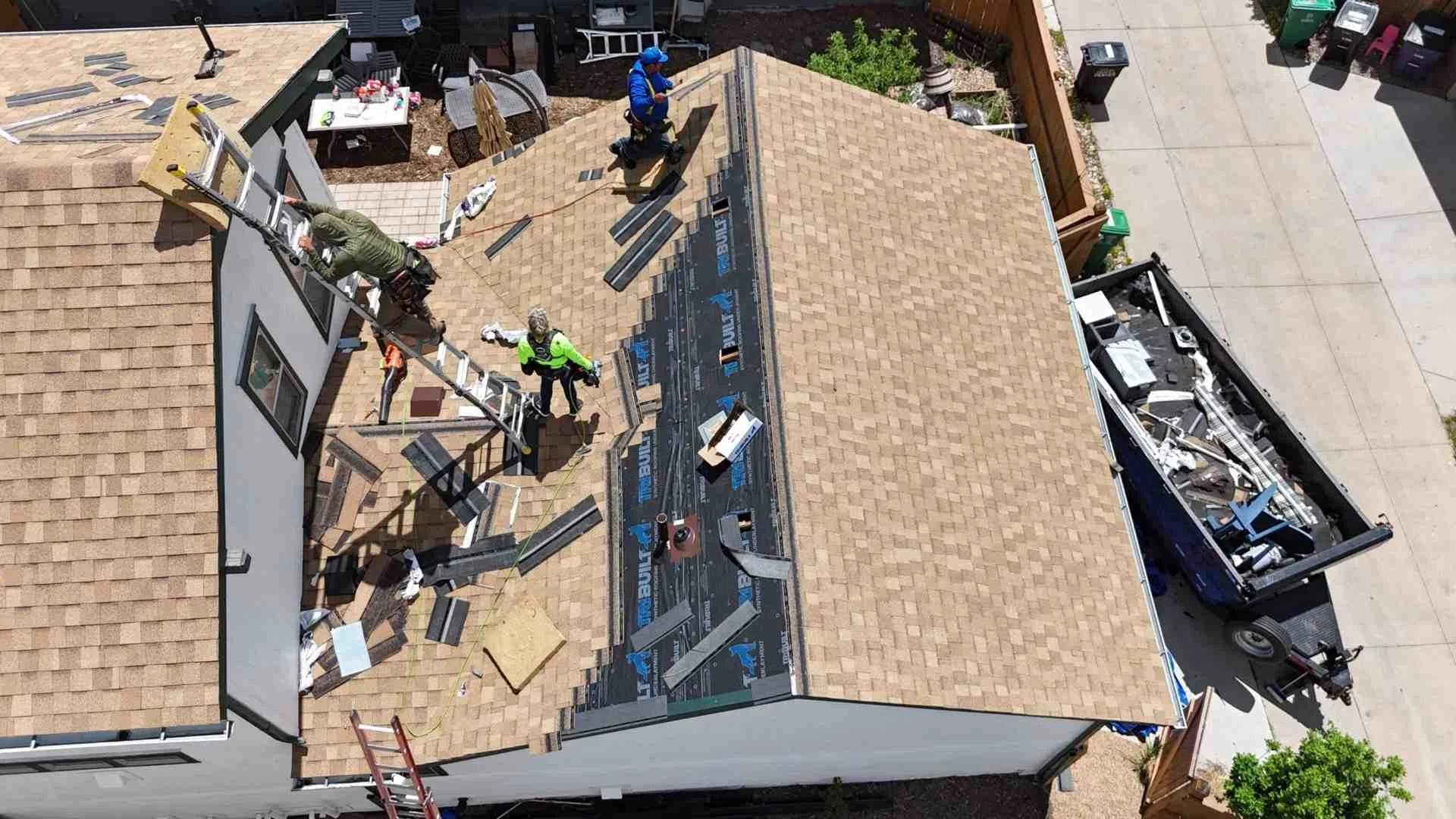
The Local Lowdown on Roofing Contractors
Why Choosing the Right Contractor Matters for Your Home
Local roofing contractors are licensed, insured professionals based in your area who specialize in roof repair, replacement, and maintenance while understanding regional weather patterns, building codes, and community needs. Here's what to look for when choosing one:
Key Benefits of Hiring Local:
- Regional Expertise - Deep knowledge of Colorado's climate challenges (hail, snow, wind)
- Faster Response - Proximity enables quick emergency service and storm damage mitigation
- Direct Accountability - Personal reputation and community ties ensure quality work
- Economic Impact - Your investment supports local jobs and strengthens the community
- Better Communication - Direct access to owners, no call centers or third-party agents
When your roof takes a beating from a Colorado hailstorm or you're staring at water damage from heavy snow melt, the last thing you need is a contractor who treats you like a number. The roofing industry has long struggled with fly-by-night operators who underbid, overpromise, and disappear when problems arise. Choosing a legitimate local contractor protects you from these risks while ensuring your home gets the expert care it deserves.
The difference between a local roofer and a national chain often comes down to accountability. A local contractor's reputation is built on word-of-mouth referrals within the community. They can't afford to cut corners because their neighbor might be your next-door friend. This personal stake in quality creates a level of service that distant corporations simply can't match.
Beyond quality work, local contractors understand the specific challenges Colorado homeowners face. They know how intense sun exposure affects shingle longevity. They've seen what happens when ice dams form during sudden temperature swings. They're familiar with municipal permitting processes and can recommend materials proven to withstand our unique climate.
I'm Barry Goers, and through my work with construction industry companies, I've seen how the right local roofing contractors transform stressful home repair situations into smooth, professional experiences. My background investing in and operating construction businesses has given me deep insight into what separates exceptional contractors from the rest.
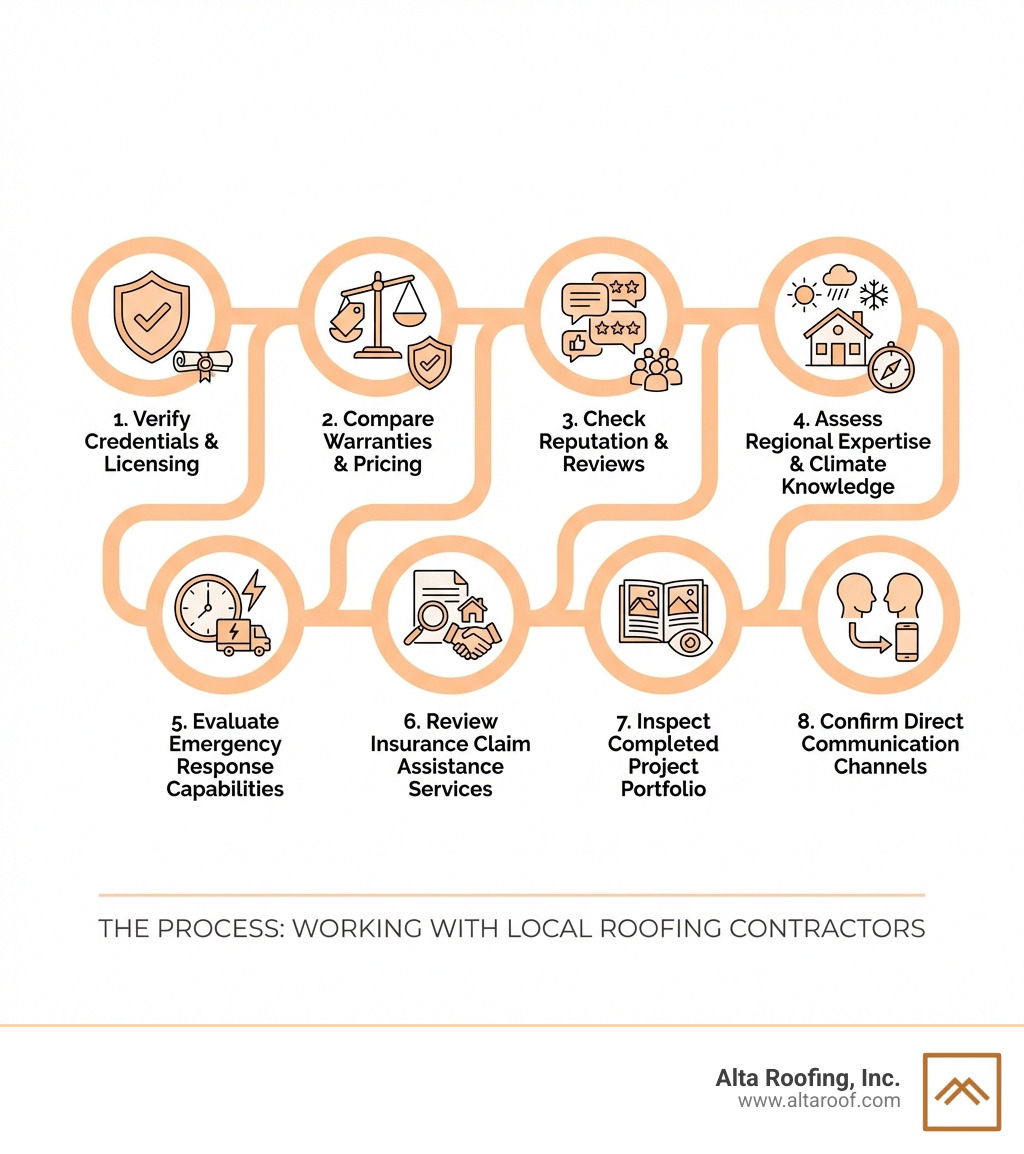
Why "Local" is More Than Just a Location

When it comes to your home's roof, "local" isn't just about geographical proximity; it's about a deeper understanding of your specific needs, a commitment to personalized service, and a vested interest in the community we share. For us at Alta Roofing, Inc., being a local Colorado roofing contractor means we're your neighbors, friends, and fellow community members. This personal connection drives us to deliver exceptional results and stand by our work. It ensures that when you choose us, you're not just getting a service provider, but a trusted partner who understands the unique challenges and characteristics of our beautiful state.
Best Knowledge of Local Climate and Codes
Colorado's weather is notoriously unpredictable and can be incredibly harsh on roofs. From the intense hailstorms that can pepper our homes in Denver, Aurora, and Colorado Springs, to the heavy snowfalls that blanket areas like Woodland Park and Monument, and the high winds that sweep across the plains, our roofs face constant assault. A national corporation, operating across various climates, simply cannot possess the intimate knowledge of these specific conditions that we do.
Our team, living and working in these very communities, understands how these regional weather patterns impact different roofing materials and systems. We know which shingles perform best under sustained UV exposure, how to design for proper snow load management, and the most effective strategies for preventing ice dams. For instance, in areas like Parker, our deep familiarity with the local climate allows us to recommend materials and installation methods that improve your roof's durability and longevity against these specific threats. We're also well-versed in the specific building codes and permitting requirements that vary between Colorado municipalities, from Castle Rock to Golden, ensuring your project is always compliant and proceeds smoothly without unnecessary delays. This expertise not only protects your investment but also provides immense peace of mind.
Personalized Service and Direct Accountability
One of the most significant benefits of choosing a local roofing contractor like us is the personalized customer service you receive. Unlike large national corporations that often prioritize volume over relationships, we thrive on building lasting community trust and depend on our reputation and referrals. When you call us, you won't be routed through a distant call center or speak to a different representative every time. Our communication is direct, clear, and consistent.
We believe in treating every property as if it were our own. This often means direct involvement from the owner or a senior project manager, ensuring a level of accountability that large chains simply can't match. This personalized approach means we take the time to listen to your concerns, understand your specific needs, and tailor solutions that truly fit. Our commitment to service is deeply ingrained in our values, and you can read about our commitment to service on our website. This hands-on method fosters trust, builds strong relationships, and ensures that the quality of our work consistently exceeds expectations, leading to invaluable word-of-mouth referrals within our local communities.
Faster Emergency Response When You Need It Most
When a sudden Colorado hailstorm hits or you find a leak after heavy snowmelt, time is of the essence. Every minute counts in preventing further damage to your home. With large, national companies, you might face long wait times or service scheduled from a different state. That's simply not acceptable when your home is vulnerable.
As local roofing contractors, our proximity to your home in cities like Aurora, Lakewood, or Centennial means we can respond quickly to emergency repairs and leaks. We understand the urgency of storm damage and are equipped to provide rapid emergency response, including on-site tarping and leak mitigation, often within hours of your call. For example, some dedicated local companies guarantee on-site tarping within 60 minutes, 24/7, 365 days a year, showcasing the level of immediate support you can expect from a truly local partner. Our goal is to assess the damage swiftly, prevent further issues, and provide you with the peace of mind that comes from knowing help is just around the corner.
The Value Proposition of Local Roofing Contractors
Choosing local roofing contractors isn't just about convenience or community spirit; it's also a smart financial decision that can offer better value and contribute positively to your local economy. We often find that our competitive pricing, combined with the high-quality materials and craftsmanship we provide, makes hiring local a superior investment for homeowners.
How Local Sourcing Can Impact Your Bottom Line
Unlike many larger corporations that are locked into national supply chains with standardized pricing, we, as local contractors, have the flexibility to price-shop regionally. This means we can compare suppliers across Colorado to secure the most cost-effective, high-performance roofing products. We're not bound by corporate mandates to use specific, often marked-up, materials from a single vendor.
This regional price shopping allows us to find the best deals on high-quality roofing materials without compromising on durability or aesthetics. The savings we achieve through smart sourcing can then be passed on to you, our valued customers. This often translates to better overall value for your roofing project, allowing you to get a premium roof at a more competitive price point compared to what a large national chain might offer.
Investing in Your Community's Economy
When you choose Alta Roofing, Inc., you're doing more than just getting a new roof; you're actively supporting the local economy. Every dollar you spend with us stays within the community, creating a ripple effect that benefits everyone. We hire skilled tradespeople from the Denver metro area and Colorado Springs, providing stable jobs and fostering local talent.
Furthermore, we partner with local vendors and suppliers whenever possible, ensuring that your investment circulates back into the businesses and families that make our communities thrive. This commitment to local sourcing and employment strengthens the economic resilience of places like Thornton, Littleton, and Fountain. It's a choice that supports our local business owners, local workers, and helps create a stronger, more vibrant economy for all of us. This community involvement is a cornerstone of reputable local roofing businesses, reflecting a commitment that goes beyond just the job site.
How to Vet and Choose the Right Local Roofer

Selecting the right local roofing contractors for your home is a critical decision that requires careful consideration. It's not just about getting the job done; it's about ensuring quality, reliability, and peace of mind. We understand that homeowners need to feel confident in their choice, which is why we encourage thorough due diligence. Here's how to steer the selection process and ensure you partner with a legitimate and reliable local roofer.
Verifying Legitimacy: Your Due Diligence Checklist
The roofing industry, unfortunately, can attract unscrupulous operators. To protect yourself and your investment, it's crucial to verify the legitimacy of any contractor you consider. Here's a checklist we recommend:
- Licensing and Insurance: Always verify that the contractor is properly licensed to work in Colorado and carries adequate liability and worker's compensation insurance. This protects you from financial responsibility in case of accidents or damage. For instance, all Local Pro roofers are typically required to carry Fall Protection certification and at least $2 million in liability insurance.
- Checking Longevity: Be wary of companies that seem to appear overnight. Many roofing companies go out of business within their first few years. An established company, like one with over 40 years of experience, is more likely to be around to honor warranties and provide ongoing service.
- Online Reviews and Reputation: Check online platforms like Google, Yelp, and the Better Business Bureau (BBB). Look for consistent positive feedback and how the company responds to any negative reviews. A strong reputation, built on referrals and word-of-mouth, is a hallmark of a reliable local business.
- Checking with the BBB: The BBB is an excellent resource for checking a company's accreditation, rating, and customer complaint history. You can search their database for local roofers in Denver and surrounding areas to review their standing. You can also review general guidance on hiring contractors on the Better Business Bureau website.
- Avoiding Low-Ball Bids: While saving money is appealing, extremely low bids can be a major red flag. Companies that consistently underbid often do so by cutting corners on materials, labor, or insurance, leading to poor quality work and potential issues down the line. As the BBB notes, companies with the lowest bids often get the most complaints.
- Asking for References: A reputable contractor should be happy to provide references from previous clients. Take the time to call them and ask about their experience.
Understanding Warranties and What They Cover
A comprehensive warranty is a testament to a contractor's confidence in their workmanship and materials. When discussing your roofing project, always inquire about the warranty offerings, as they typically come in two main types:
- Workmanship Warranty: This covers the quality of the installation itself. A strong workmanship warranty, such as a 10-year coverage, ensures that if issues arise due to faulty installation, the contractor will rectify them at no additional cost. Some premium local contractors even offer 25-year workmanship coverage.
- Manufacturer Warranty: This covers defects in the roofing materials themselves. Many high-quality materials come with extensive manufacturer warranties, some even offering 50-year or lifetime coverage on premium shingles or metal panels. For example, GAF-certified contractors can offer extended warranty protections for GAF roofing systems.
It's also important to ask about transferable warranties. If you sell your home, a transferable warranty can be a significant selling point, as it provides the new homeowner with continued protection. We at Alta Roofing ensure that our warranty offerings provide you with maximum protection and peace of mind for years to come.
Key Factors for Choosing Local Roofing Contractors in Colorado
Beyond general legitimacy, Colorado homeowners have specific considerations when selecting a roofer:
- Experience with Storm Damage: Given Colorado's frequent hailstorms and high winds, choosing a contractor with proven expertise in storm damage assessment and restoration is paramount. This is our specialty at Alta Roofing, Inc.
- Insurance Claim Assistance: Navigating insurance claims can be complex. We pride ourselves on our expertise in handling insurance claims, acting as your single point of contact and coordinating all necessary trades to simplify the process. The Insurance Information Institute provides helpful guidance on the claims process.
- Material Suitability for Colorado: Your chosen contractor should advise on roofing materials and systems best suited for our local climate. This includes recommendations for hail resistance, UV protection, and snow load capacity.
- GAF-Certified Contractors: Look for contractors who are certified by leading manufacturers like GAF. GAF Master Elite contractors, for instance, are among the top 3% of all roofing contractors, indicating superior workmanship and customer satisfaction.
- Project Portfolio: Review the contractor's past work, especially projects similar to yours and in your local area. Our Our Work page showcases some of our completed projects, demonstrating our quality and expertise.
The Roofing Process with a Local Pro
When you partner with local roofing contractors like us, you're not just hiring someone to fix your roof; you're engaging a team that manages your entire project with professionalism and clear communication. Our goal is to make the roofing process as smooth and stress-free as possible, from the first assessment to the final cleanup.
From Initial Quote to Final Cleanup
Our process begins with a comprehensive on-site assessment of your roof. This allows us to accurately diagnose any issues, understand your specific needs, and provide you with a detailed, transparent estimate. We believe in direct answers and decisive action, ensuring you understand every step of the project.
Once the scope of work is approved, we'll establish a clear project timeline. Most roof installations or replacements typically take 1-3 days, though larger or more complex projects might take longer. Throughout the work, our teams prioritize protecting your property. We safeguard landscaping and the exterior of your house, and ensure thorough debris removal and cleanup upon completion. Our aim is to leave your property tidier than we found it, with a beautifully installed roof.
Navigating Storm Damage and Insurance Claims
For Colorado homeowners, dealing with storm damage is an unfortunate reality. This is where our expertise as local roofing contractors truly shines. At Alta Roofing, Inc., our unique selling proposition is our comprehensive approach to storm restoration and insurance claims. We act as your single point of contact, taking the burden off your shoulders.
We excel in documenting damage, coordinating with insurance adjusters, and ensuring that your claim is processed efficiently and accurately. We've even pioneered direct repair programs with major insurance companies. Our goal is to maximize your claim and simplify the entire restoration process, ensuring your home is returned to its pre-storm condition with minimal hassle for you. Explore our comprehensive roofing services to learn more about how we can help.
Frequently Asked Questions about Local Roofers
We understand that homeowners often have many questions when considering roofing services. Here are some of the most common inquiries we receive:
How much does a typical roof repair cost?
The cost of a roof repair can vary significantly depending on the extent of the damage, the materials involved, and the labor required. For small patches and minor repairs, such as addressing a few missing shingles or a localized leak covering up to 100 square feet, you can typically expect to pay between $350 - $1000, including labor and materials.
However, larger repairs, such as fascia repair, roof truss repair, or eaves repair, which involve more structural work, can range from $1000 - $5000, including labor and materials. It's always best to get a free, no-obligation estimate from a qualified local roofing contractor to get an accurate cost for your specific situation.
How do I know if I need a roof repair or a full replacement?
Determining whether you need a repair or a full replacement often requires a professional assessment, but there are several signs you can look for:
- Signs of Wear and Tear: Look for cracked, curled, or peeling shingles. If your shingles are brittle, granular loss is extensive, or if you're finding loose shingles in your yard, these are indicators of an aging roof.
- Sagging Roof: A sagging roof deck is a serious sign of structural issues and almost always warrants a full replacement.
- Widespread Leaks: While a localized leak might be repairable, multiple leaks or leaks affecting a large area often suggest that the roof's integrity is compromised, making replacement the more cost-effective long-term solution.
- Age of Roof: Most asphalt shingle roofs last 20-25 years. If your roof is approaching or has exceeded this age, even without obvious damage, a replacement might be prudent.
If you have localized damage, such as a small section affected by a fallen branch, a repair might suffice. However, if problems are widespread or your roof is nearing the end of its lifespan, a new roof may be your best option. We can inspect your roof and provide an honest recommendation.
What should I look for in a roofing warranty?
A strong roofing warranty provides essential protection for your investment. Here’s what to prioritize:
- Workmanship Guarantee: This covers the quality of the installation. Look for a warranty that covers installation errors for at least 10 years. Some top-tier contractors offer 25-year or even lifetime workmanship guarantees.
- Manufacturer Coverage: This protects against defects in the roofing materials themselves. High-quality shingles and metal roofing often come with 50-year or lifetime limited manufacturer warranties.
- Length of Warranty: Longer warranties generally indicate higher quality materials and greater confidence from the manufacturer and installer.
- Transferability: A transferable warranty can add value to your home if you decide to sell, as the remaining warranty coverage passes to the new homeowner.
- Exclusions: Always read the fine print to understand what the warranty does not cover. Common exclusions might include damage from acts of nature (unless explicitly covered by a specific storm warranty), improper maintenance, or alterations made by other contractors.
- Reputable Brands: Warranties from well-known, established manufacturers (like GAF) tend to be more reliable.
- Contractor's Commitment: The warranty is only as good as the company backing it. Choosing a financially stable, long-standing local roofing contractor increases the likelihood that your warranty will be honored if an issue arises.
Conclusion
Choosing the right local roofing contractors for your home is one of the most important decisions you'll make for its long-term health and your peace of mind. As we've explored, the benefits of hiring local extend far beyond mere convenience. They encompass a deep understanding of Colorado's unique climate and building codes, personalized customer service, faster emergency response, and a commitment to investing in our shared community.
At Alta Roofing, Inc., we embody these principles. As a Colorado-based roofing and storm restoration company, we specialize in roof replacement, repairs, and comprehensive storm damage restoration across Denver, Aurora, Colorado Springs, and many other local communities. Our unique selling proposition lies in our expertise with insurance claims, acting as your single point of contact and coordinating all necessary trades to ensure a seamless and stress-free experience. We are dedicated to delivering not just a new roof, but a renewed sense of security and trust.
For a trusted partner on your next roofing project, contact our team today. Let us show you the Alta Roofing difference – where local expertise meets unparalleled service.
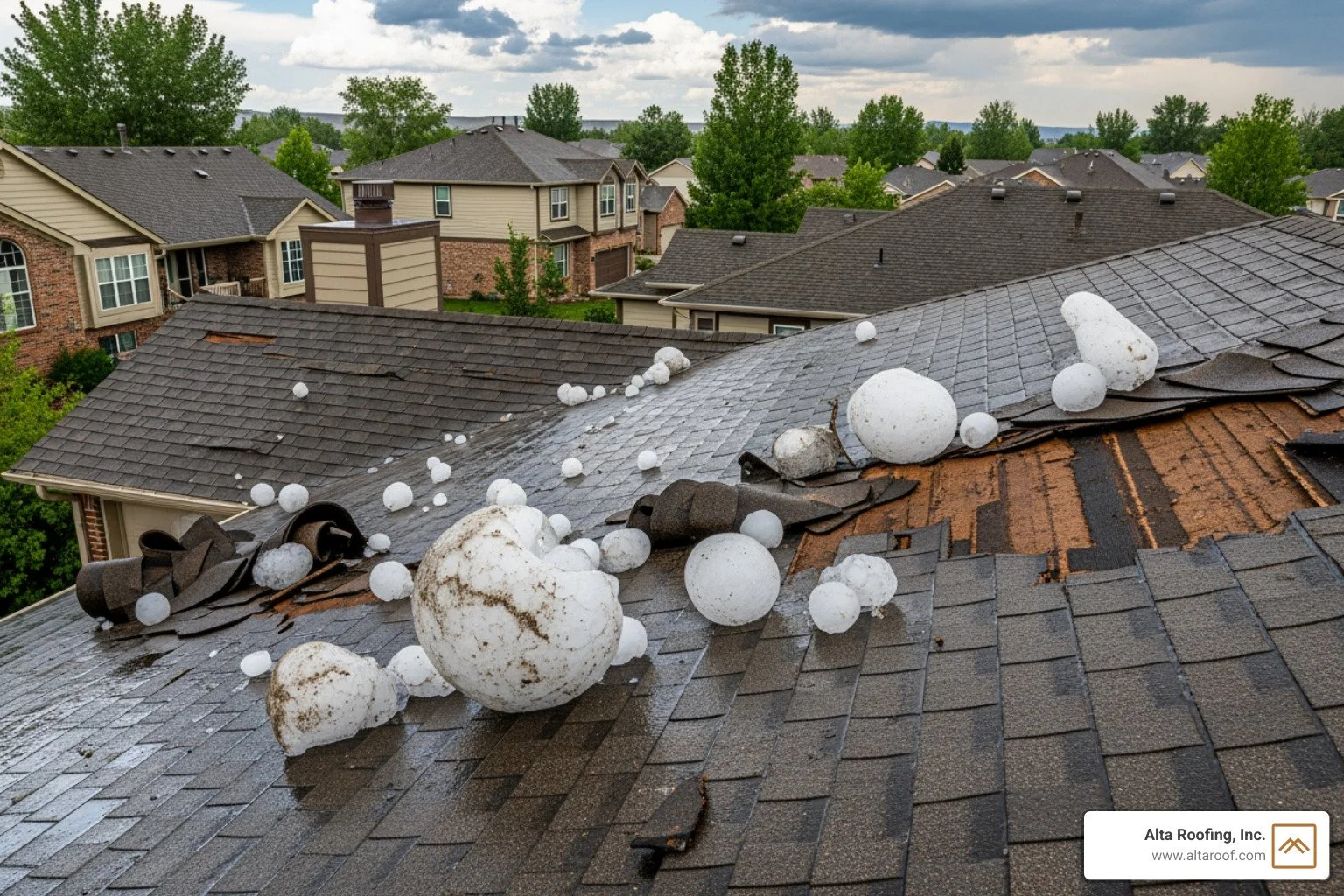
From Aurora to Westminster: Navigating Hail Damage in Colorado
Why Fort Collins Homeowners Must Understand Hail Damage
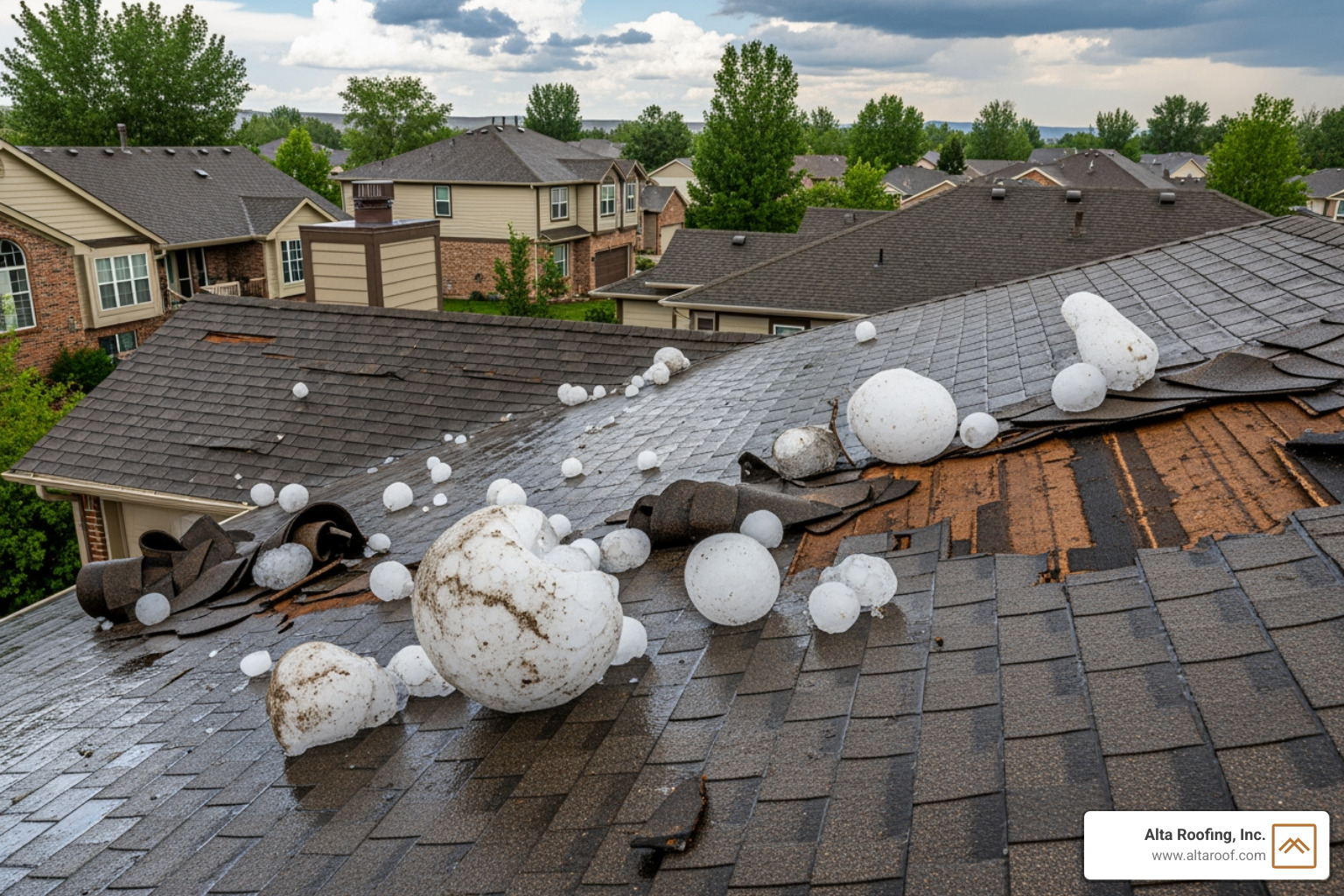
Hail damage Fort Collins is a serious concern for homeowners in Northern Colorado, where the region experiences some of the most frequent and severe hailstorms in the United States. If you're trying to understand hail damage and what to do after a storm, here's what you need to know:
Key Facts About Fort Collins Hail:
- Frequency: Fort Collins averages more than 25 hail events per year between May and July
- Severity: The largest hail reported was 2.50 inches in diameter (baseball-sized)
- Recent Activity: 93 on-the-ground hail reports by trained spotters in the past 12 months
- High-Risk Area: Zip code 80525 has the highest number of damaging hail reports (50 reports)
Immediate Steps After a Hailstorm:
- Ensure everyone's safety first
- Document all visible damage with dated photos
- Cover any broken windows or active leaks
- Contact your insurance company promptly
- Schedule a professional roof inspection
Welcome to Fort Collins—where stunning mountain views and excellent quality of life come with a side of severe weather. Between May and July, this area sees more than two dozen hail events on average. These storms don't just ding up cars. They can crack shingles, strip protective granules from your roof, dent gutters and siding, and create hidden damage that leads to costly water intrusion down the road.
The problem is that hail damage isn't always obvious from the ground. What looks like minor cosmetic damage can actually be structural weakening that compromises your roof's ability to protect your home. A "bruised" shingle may not leak today, but Fort Collins' freeze-thaw cycles will turn that weakness into a crack—and that crack into a leak.
Many homeowners underestimate the urgency. They see a few dents and think, "I'll deal with it later." But insurance companies have strict deadlines for filing claims, and damage left unaddressed can void your roof warranty or lead to claim denials when the next storm hits.
This guide will help you understand what hail damage looks like, how to assess your risk using local hail maps and historical data, and what steps to take immediately after a storm. You'll learn why professional inspections matter, how to steer the insurance claim process, and what it means to invest in impact-resistant roofing that can stand up to Colorado's hail season.
Here at Alta Roofing, Inc., our team has spent years in the Colorado construction and storm restoration industry. We've seen how hail damage Fort Collins homeowners face can be devastating without proper preparation and response. Our experience has shown us the critical importance of quality restoration work and proactive protection to safeguard your home.
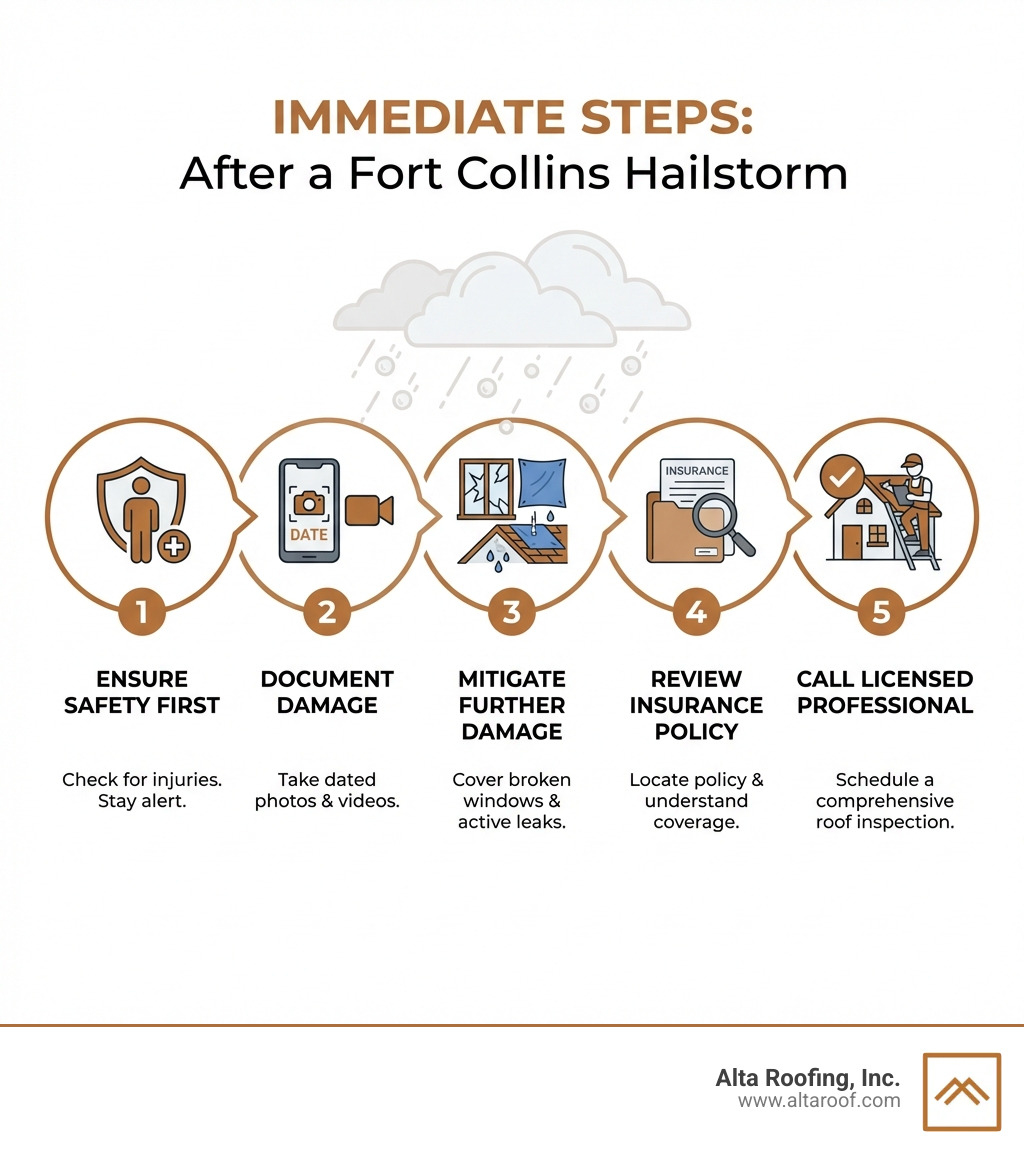
Understanding the Threat: Hailstorms in Fort Collins and Northern Colorado
Colorado, particularly the Front Range where Fort Collins proudly sits, is often referred to as "Hail Alley." This isn't just a catchy nickname; it's a stark reality for homeowners. The unique meteorological conditions here, where updrafts in severe thunderstorms keep water droplets high enough to freeze and grow, combined with the higher elevation that gives hail less time to melt before impact, create a perfect recipe for damaging hailstorms.
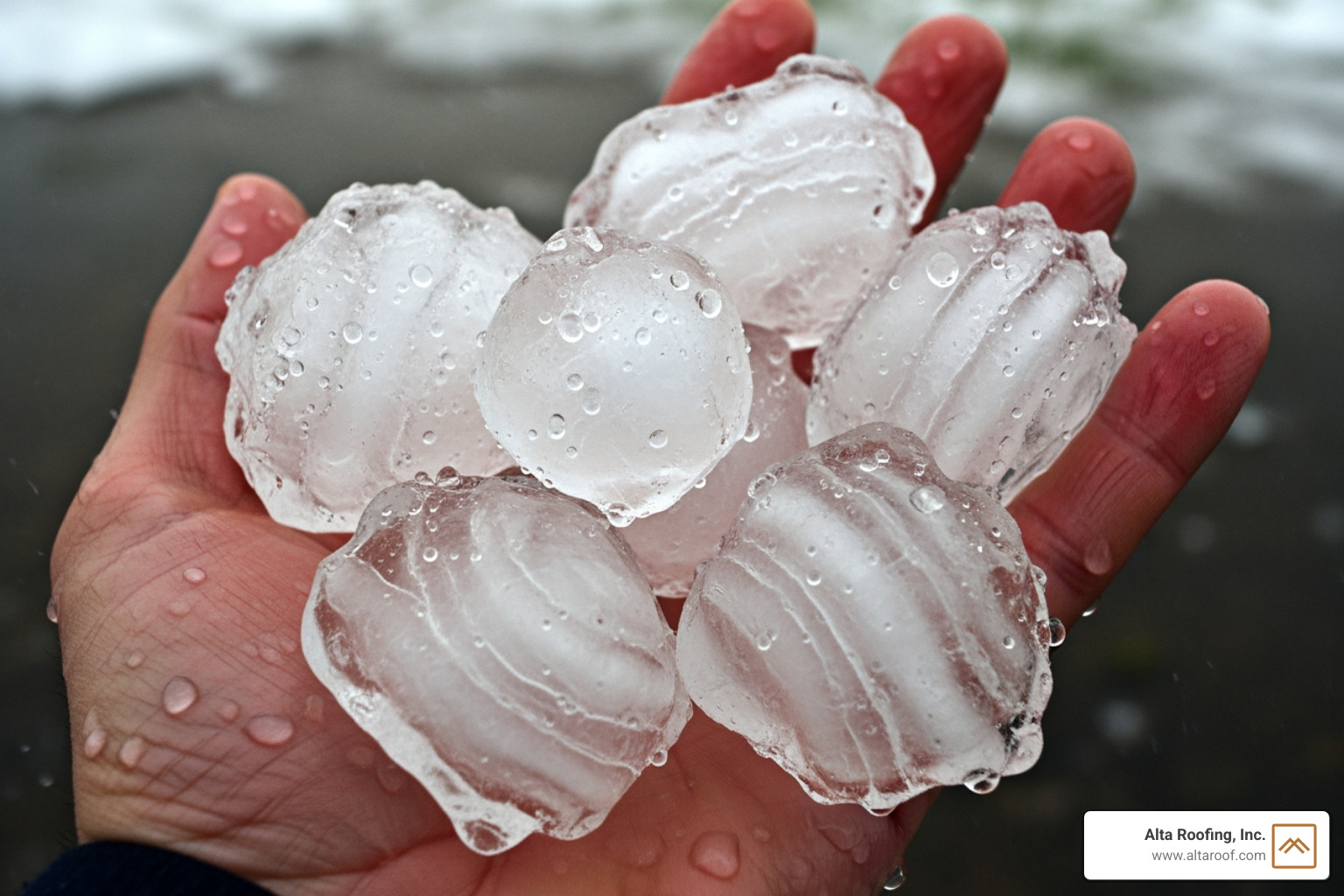
We've seen it all, from pea-sized pellets to colossal baseball-sized stones. For instance, the largest hail reported near Fort Collins was a staggering 2.50 inches in diameter. These aren't just isolated incidents. The Fort Collins area has experienced 93 reports of on-the-ground hail by trained spotters in the past 12 months alone, and Doppler radar has detected hail near the city on 92 occasions in the past year. This persistent threat means that understanding and addressing hail damage Fort Collins is not a luxury, but a necessity.
What the Statistics Say About Fort Collins Hail
The numbers don't lie: Fort Collins is a hotspot for hail.
- Hail Event Frequency: Between May and July, Fort Collins averages more than 25 hail events a year. That's a lot of potential impacts on your home!
- On-the-Ground Reports: In the past 12 months, trained spotters have reported hail on the ground 93 times in the Fort Collins area. This indicates frequent, observable hail events.
- Largest Reported Hail: The largest hailstone near Fort Collins measured an impressive 2.50 inches in diameter, which is roughly the size of a tennis ball. Such large hail can cause significant damage to roofs, siding, and vehicles.
- Peak Season: The months of May, June, and July are the prime time for hailstorms in Northern Colorado. This means homeowners need to be particularly vigilant during this period.
- High-Risk Zip Codes: If you live in zip code 80525, you're in an area with a notably higher risk, reporting 50 damaging hail events. This kind of localized data helps us understand where the impact is most concentrated.
How to Use Hail Maps to Assess Your Risk
In an age of information, we have powerful tools at our fingertips to understand the hailstorm threat. Hail maps are invaluable resources for homeowners in Fort Collins and across Colorado. They provide visual representations of past hailstorms, detailing their paths, intensity, and the size of hail that fell.
You can explore detailed historical data of hail events in Fort Collins by visiting a Hail Map for Fort Collins, CO. These maps allow us to:
- Track Storm Paths: Visualize exactly where a storm traveled and which neighborhoods were affected. This can help confirm if your property was in the direct path of a damaging storm.
- Verify Hail Size: Many maps provide specific hail size estimates for reported events (e.g., quarter, half dollar, golf ball). This information is crucial for understanding the potential severity of damage to your home.
- Access Historical Storm Data: Look back at years of data to understand the frequency and intensity of hail events in your specific area. This can inform decisions about roof maintenance and upgrades.
- Confirm Dates for Insurance Claims: Having accurate dates and times of hailstorms is vital when filing an insurance claim. Hail maps can provide this precise information, strengthening your case.
By leveraging these resources, homeowners can move from general concern to informed action, understanding their specific risk and having the data needed to respond effectively after a storm.
Identifying Hail Damage on Your Home's Exterior
After a hailstorm, the first thing many homeowners do is step outside to survey the damage. While a quick visual check is natural, it's crucial to approach this task safely and systematically. We always recommend a professional inspection, but a preliminary DIY inspection from the ground can help you understand the situation.
Always prioritize safety. Never climb onto a wet or damaged roof yourself. Instead, use binoculars from the ground to get a closer look. Walk around your property, paying close attention to all exterior surfaces.
Common Signs of Hail Damage on Your Roof
Your roof is your home's first line of defense against the elements. Hail damage can be subtle, but knowing what to look for can prevent minor issues from becoming major headaches.
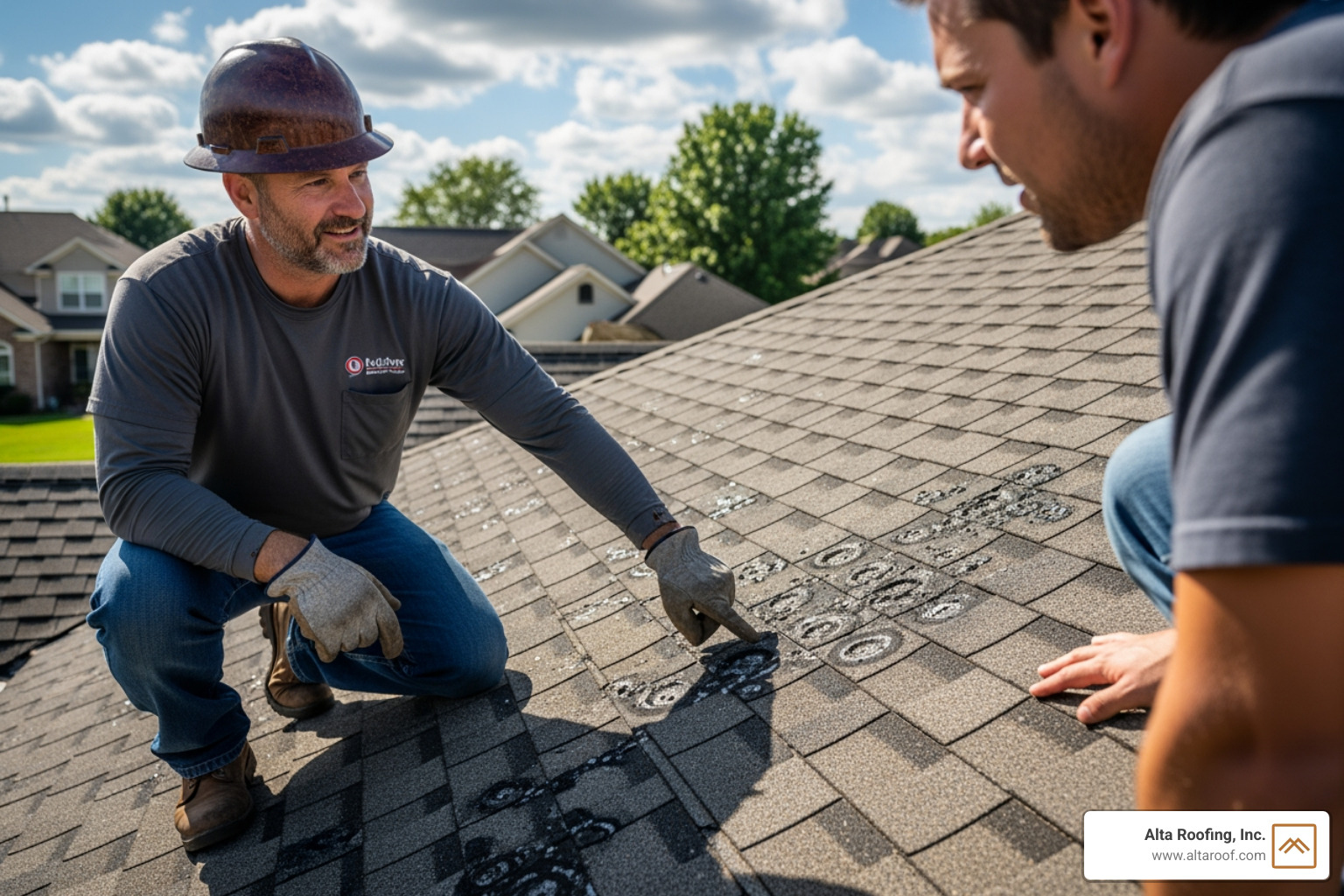
Here are the common signs of hail damage on a roof:
- Dents on Shingles (Bruises): Hailstones can cause circular or irregular indentations on asphalt shingles. These "bruises" might not immediately break the shingle's surface, but they weaken its integrity, making it vulnerable to future weather cycles and eventual cracking.
- Granule Loss: Asphalt shingles are coated with protective granules that shield them from UV rays and the elements. Hail impact can dislodge these granules, leaving behind shiny, bald spots on the shingle. You might also find an accumulation of granules in your gutters or downspouts, a tell-tale sign of wear.
- Exposed Fiberglass Mat: When granule loss is severe, the underlying fiberglass mat of the shingle can become exposed. This significantly reduces the shingle's protective capabilities and accelerates its deterioration.
- Cracked or Broken Shingles: Larger or harder hailstones can cause shingles to crack, split, or even break off entirely. Look for jagged edges or missing pieces of shingles.
- Damage to Roof Vents and Flashing: Metal components on your roof, such as vents, skylight frames, and flashing around chimneys, are susceptible to hail. Look for dents, dings, or warping on these surfaces.
Beyond the Roof: Siding, Gutters, and Windows
While the roof often takes the brunt of a hailstorm, other parts of your home's exterior can also suffer significant damage. Ignoring these areas can lead to further problems down the line.
- Dented Gutters and Downspouts: These are often the most obvious indicators of hail. Look for circular dents or dings along the length of your gutters and on the downspouts. Severe impacts can also cause them to detach or bend out of shape.
- Cracked or Chipped Siding: Depending on the material, siding can show various forms of hail damage. Vinyl siding might crack or fracture, especially if hit by larger hail. Wood siding can show dents or splintering, while metal siding can be dented or creased.
- Damaged Window Screens: Hail can tear or puncture window screens. While often cosmetic, it's an easy sign to spot and can indicate that larger hail was present.
- Broken Window Trim or Seals: In severe storms, hail can strike window frames, causing dents or cracks in the trim. More critically, it can compromise the seals around windows, leading to future leaks and drafts. We've seen reports of smashed windows from hen egg and tennis ball sized hail in the Fort Collins area.
- Paint Chipping: On painted surfaces like window frames, doors, or even stucco, hail impacts can chip away paint, leaving exposed areas vulnerable to moisture and further deterioration.
Your Post-Storm Action Plan for Hail Damage in Fort Collins
When a hailstorm rolls through Fort Collins, it can leave behind a trail of uncertainty. Knowing what to do immediately and in the days following is crucial for protecting your property and navigating the repair process efficiently.
Immediate Steps After a Hailstorm
Once the storm has passed and it's safe to venture outside, a clear action plan can make all the difference. Think of this as your post-storm checklist:
- Ensure Safety: Your safety and the safety of your family are paramount. Check for downed power lines or other immediate hazards before inspecting your property.
- Document All Damage with Photos/Videos: This is perhaps the most critical step. From the ground, take clear, well-lit photos and videos of any visible damage to your roof, siding, gutters, windows, and even your landscaping or vehicles. Date and time-stamp these as much as possible. This documentation will be invaluable for your insurance claim.
- Cover Broken Windows and Active Leaks: If you have broken windows or notice water actively leaking into your home (e.g., ceiling stains, damp attic insulation), take immediate steps to cover them. This might involve temporarily tarping damaged roof sections or boarding up broken windows to prevent further water intrusion.
- Look for Active Leaks Inside: Don't just check outside. Inspect your attic, ceilings, and interior walls for any signs of water penetration, even small damp spots. Early detection of leaks can prevent more extensive water damage and mold growth.
- Find Your Insurance Policy: Locate your homeowner's insurance policy and review your coverage for storm damage. Pay attention to your deductible and any specific requirements for filing claims.
The Critical Role of a Professional Roof Inspection
While your initial ground-level inspection is a good starting point, it cannot replace the expertise of a professional roof inspection. Hail damage is notoriously tricky, and what appears minor to the untrained eye can hide significant underlying issues.
- Hidden Damage Detection: Professional roofers are trained to spot the subtle, often hidden, signs of hail damage that can compromise your roof's integrity. This includes "bruises" on shingles that haven't yet broken the surface, damage to underlayment, or weakened decking beneath the shingles. Ignoring these can lead to gradual water intrusion, mold, and structural rot.
- Safety Risks of DIY Roof Access: Climbing onto your roof, especially after a storm when it might be slick or structurally compromised, is extremely dangerous. Professionals have the right safety equipment and training to assess your roof without putting themselves or your property at risk.
- Comprehensive Assessment for Insurance: A reputable roofing contractor will provide a thorough, unbiased assessment of your roof's condition. This detailed report, complete with photos and measurements, is essential for substantiating your insurance claim and ensuring all damage is accounted for.
- Detailed Damage Report: We will provide a comprehensive report that outlines all hail-related damage, helping you and your insurance adjuster understand the full scope of necessary repairs or replacement.
For more information on how we can help with comprehensive storm damage restoration, visit our Storm Damage Restoration Services page.
Navigating the Insurance Claim Process for Hail Damage in Fort Collins
Dealing with insurance companies can feel daunting, but with the right approach, it doesn't have to be. As your partners in storm restoration, we're here to guide you through every step.
- Contacting Your Insurer: As soon as you've completed your initial documentation, contact your insurance company to report the hail damage. Insurance companies have strict deadlines for filing claims, so prompt action is key.
- Claim Filing Timeline: Most policies require claims to be filed within a specific timeframe, often one year from the date of loss. Missing this window can result in your claim being denied.
- Meeting the Adjuster: Your insurance company will send an adjuster to inspect your property. It's highly beneficial to have your chosen roofing contractor present during this inspection. We can point out all damage, including the less obvious areas, ensuring nothing is overlooked.
- Understanding Your Estimate vs. Contractor's Scope: The insurance adjuster will provide their estimate for repairs. Your contractor will also provide a detailed scope of work. It's crucial that these align. If there are discrepancies, your contractor can work with the adjuster to ensure your home receives the full and proper restoration it needs.
- Depreciation: Be aware that insurance payouts often involve depreciation, meaning you'll initially receive the Actual Cash Value (ACV) of your damaged items, with the remaining recoverable depreciation released once repairs are completed.
Long-Term Consequences and Proactive Protection
Ignoring even seemingly minor hail damage Fort Collins can lead to significant problems down the line. But beyond addressing current damage, homeowners in this hail-prone region also have the opportunity to proactively protect their investment.
Why You Can't Ignore Minor Hail Damage in Fort Collins
It's tempting to put off repairs if the damage doesn't seem urgent, but in a climate like Fort Collins, that can be a costly mistake.
- Gradual Water Intrusion: Those small dents and granule loss spots are weak points. With Colorado's freeze-thaw cycles and subsequent rain, water can slowly seep beneath shingles, leading to leaks that you might not notice until it's too late.
- Mold and Mildew Growth: Persistent moisture from leaks creates a perfect environment for mold and mildew, which can compromise indoor air quality and cause health issues.
- Structural Rot: Untreated water intrusion can eventually lead to rot in your roof's decking, trusses, and even the structural components of your home, requiring much more extensive and expensive repairs.
- Voided Roof Warranties: Many roofing manufacturers' warranties require prompt repair of storm damage. Delaying action could void your warranty, leaving you responsible for future repair costs.
- Decreased Property Value: A damaged roof detracts from curb appeal and signals potential problems to future buyers, negatively impacting your home's market value.
- Future Claim Denial: If you file a claim for new hail damage, and the adjuster finds evidence of pre-existing, unaddressed damage from a previous storm, your current claim could be denied or reduced.
Investing in a Hail-Resistant Roof
The best defense is often a good offense. For Fort Collins homeowners, this means considering impact-resistant roofing.
| Feature | Standard Asphalt Shingles | Class 4 Impact-Resistant Shingles |
|---|---|---|
| Durability | Moderate | High (Tested up to 2" hail) |
| Lifespan | 15-25 years | 20-30+ years |
| Cost | Lower initial | Higher initial |
| Insurance Discounts | Rare | Often eligible |
- Class 4 Impact-Resistant Shingles: These shingles are specifically designed to withstand impacts from hail. They undergo rigorous testing to meet the UL 2218 standard, proving their ability to resist damage from hail up to 2 inches in diameter. In Fort Collins, Class 4 impact-resistant shingles are required for all structures with asphalt shingles when 50% or more of the roof is replaced.
- Material Options: While Class 4 asphalt shingles are a popular choice, other materials offer superior hail resistance. Metal roofs, for instance, are highly durable against hail and are often recyclable. Tile roofs are also very hail-resistant, though they are significantly heavier and may require structural reinforcements.
- Long-Term Savings: The initial investment in a hail-resistant roof pays off over time. You'll likely experience fewer repairs and replacements due saving on labor costs in the future, and enjoy a longer roof lifespan.
- Potential Insurance Premium Discounts: Many insurance companies offer discounts for homes protected with Class 4 impact-resistant roofing due to the reduced risk of claims. This can lead to significant savings on your premiums over the years.
To explore your options for a durable, hail-resistant roof, visit our Roof Replacement Services page.
Conclusion
Living in Fort Collins means embracing the beauty of Colorado, but also acknowledging the reality of frequent and sometimes severe hailstorms. As we've discussed, hail damage Fort Collins homeowners experience is a consistent threat that demands proactive attention and a clear action plan.
We've covered the common signs of hail damage on your roof and other exterior elements, the critical steps to take immediately after a storm, and how a professional inspection and guided insurance claim process can save you stress and money. Furthermore, understanding the long-term consequences of ignored damage and the benefits of investing in hail-resistant roofing are key to protecting your home for years to come.
At Alta Roofing, Inc., we understand the unique challenges Fort Collins and other Colorado Front Range communities like Aurora, Thornton, Lakewood, and Colorado Springs face. We specialize in comprehensive storm damage restoration, acting as your single point of contact to handle everything from initial inspection and detailed reporting to coordinating all necessary trades for a seamless restoration. Our goal is to ensure your home is not just repaired, but made stronger and more resilient against future storms.
Don't let hail damage compromise your home's integrity or your peace of mind. If you suspect your property has been affected by a recent hailstorm, or if you're considering upgrading to a more resilient roofing system, we're here to help.
Contact us for a free hail damage inspection today. Let us help you steer the complexities of hail damage and protect your investment.

What to Expect When Restoring Your Home's Outer Beauty
Revitalizing Your Home's First Impression

Exterior home restoration brings your property back to life by repairing or replacing damaged components like siding, roofing, windows, doors, and paint. Here's what you need to know:
Common Exterior Restoration Projects:
- Siding replacement - $7 to $13 per square foot on average
- Exterior painting - $1,000 to $3,000 for a typical one-story home
- Window replacement - Around $4,917 for 5-10 windows
- Roof replacement - National average of $6,600
- Door upgrades - Varies by material and style
- Soffit, fascia, and gutter work - Protects against water damage
Key Benefits:
- Improved curb appeal and property value
- Improved energy efficiency
- Better protection against weather and moisture
- Reduced maintenance costs long-term
- Peace of mind after storm damage
The outside of your home makes a first impression. Whether you're dealing with hail damage from Colorado's weather, peeling paint, or simply want a fresh look, exterior restoration addresses both aesthetic concerns and structural protection.
Proper maintenance is the most cost-effective way to extend a building's life. For homeowners, this means addressing small problems before they become expensive emergencies. Deferred maintenance accelerates deterioration, turning minor cracks into costly structural damage.
I'm Barry Goers, and my work in the construction industry has shown me how proper exterior restoration transforms properties. The key is understanding both immediate needs and long-term maintenance.
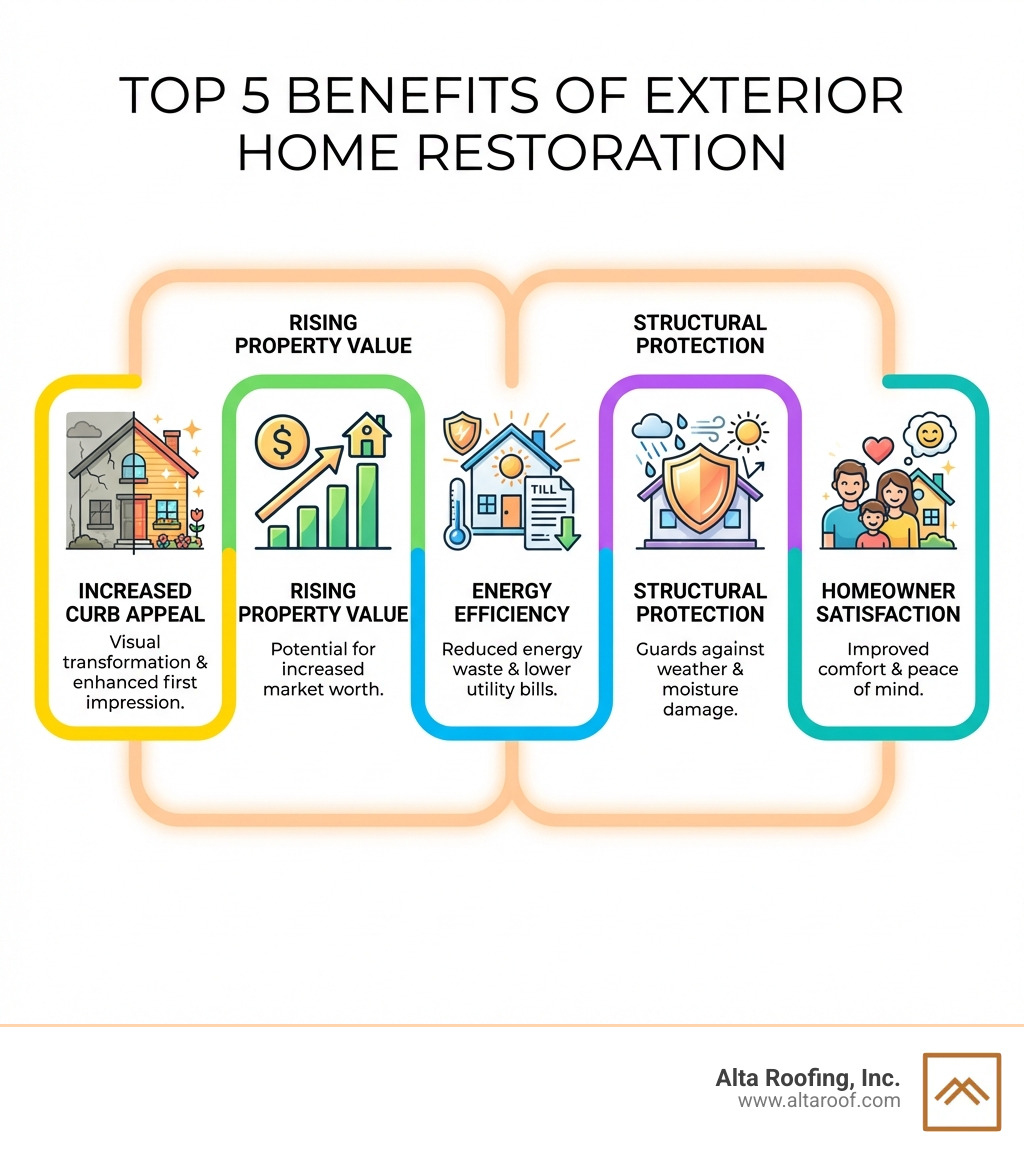
Spotting the Telltale Signs: When Does Your Exterior Need Help?
Colorado's intense sun, hailstorms, and temperature swings take a toll on your home's exterior. Recognizing the signs of wear early can save you significant time and money.
Look for these indicators that your home needs exterior home restoration:
- Water stains: Dark streaks under windows or near the roofline.
- Wood rot: Soft, spongy, or discolored wood on trim or siding.
- Cracked masonry: Deteriorated mortar or cracked bricks/stones.
- Fading or peeling paint: A sign that your home's protective layer is failing.
- Warped siding: Siding that is bowing or pulling away from the house.
- Missing shingles: Exposes your roof deck to water and potential leaks.
- Drafty windows: Compromised seals that impact energy efficiency.
- High energy bills: A sudden spike can indicate failing insulation, windows, or doors.
- Storm damage: Dents from hail or missing components from wind require immediate assessment.
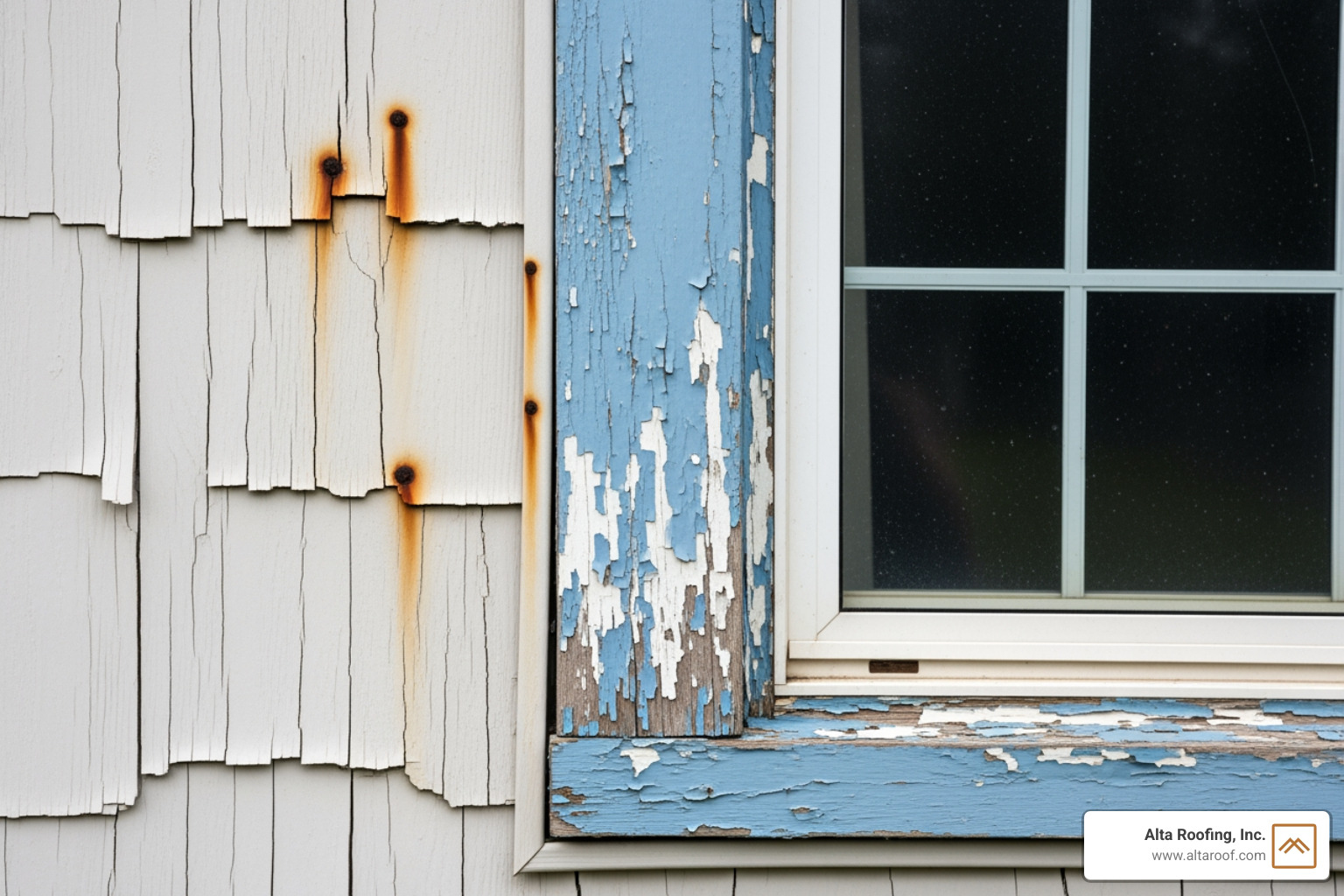
Obvious Damage vs. Subtle Deterioration
Some damage is obvious, like holes from hail or missing siding after a storm, requiring immediate attention. However, many problems start subtly. Look for chalking paint (a powdery residue), minor cracks in siding, gaps in caulk around windows, or loose fascia panels. Addressing these subtle signs proactively is always more cost-effective than waiting for major damage to occur.
The Impact of Weather on Your Home's Exterior
Colorado's climate directly impacts your home's exterior:
- UV exposure: High altitude and sun accelerate paint fading and make materials like vinyl brittle.
- Freeze-thaw cycles: Water seeps into cracks, freezes, and expands, worsening damage to masonry, wood, and concrete.
- Hail impact: A major threat in Colorado, hail can dent, crack, and puncture roofs, siding, and windows. As storm restoration specialists, we are experts in assessing and repairing hail damage.
- High winds: Strong winds can lift shingles, tear off siding, and cause impact damage from debris.
- Moisture penetration: Intense rain or snow, especially when combined with existing damage, can lead to rot, mold, and insulation issues.
Key Exterior Home Restoration Projects and Their Costs
When it comes to exterior home restoration, a wide array of projects can transform your home's appearance, improve its protection, and boost its value.

Here are some of the most common projects we undertake:
- Siding replacement
- Window and door replacement
- Roof repair and replacement
- Exterior painting
- Deck and patio restoration
- Soffit and fascia repair
- Gutter installation and repair
Siding Replacement: A Fresh Façade
Siding is your home's protective skin. Replacing it is a significant exterior home restoration project with a dramatic impact. We offer various materials:
- Vinyl siding: An affordable, low-maintenance option available in many colors. It resists moisture but can warp in extreme heat and may crack from impacts in very cold weather.
- Fiber cement siding: Highly durable, it mimics wood or masonry with less maintenance. It's impact- and fire-resistant, making it an excellent choice for Colorado's hail and fire risks.
- Wood siding: Provides a classic, natural look but requires high maintenance (painting/staining) and is vulnerable to insects and water damage.
- Metal siding: Lightweight, durable, and fire-resistant, metal is a strong choice for Colorado's climate, holding up well against hail and wind without needing paint.
Siding replacement costs vary by home size, material, and labor. The national average for siding ranges from about $7 to $13 per square foot. Vinyl is typically the most affordable, while materials like fiber cement and wood have higher upfront costs but offer different benefits.
Exterior Painting: More Than Just Color
A fresh coat of paint protects your home from the elements. Exterior home restoration often includes painting, which is more than just rolling on color.
- Paint preparation: Proper preparation is the most crucial step. It involves thorough cleaning, scraping loose paint, sanding, patching cracks, and priming. For homes built before 1978, we recommend testing for lead paint before any surface disturbance using an EPA-recognized lead test kit.
- Paint types: Modern acrylic latex paint is generally the best choice for its durability, flexibility, and resistance to fading and peeling.
- Painting costs: The average cost to paint a one-story home (500-1,500 sq. ft.) typically ranges from $1,000 to $3,000.
- Addressing peeling and blistering: These issues are often caused by moisture or poor preparation. We fix them by thoroughly scraping, sanding, priming, and repainting.
For an in-depth look at this process, check out How To Paint Your Home’s Exterior.
Window & Door Upgrades for Efficiency and Style
Upgrading windows and doors is a smart exterior home restoration investment for energy efficiency and aesthetics.
- Window replacement costs: Costs depend on the type, number, and condition of existing windows. The national average cost to replace between five and 10 windows is $4,917. Costs per window can range from $300 to over $1,000 for high-efficiency models.
- Material options: Vinyl frames are low-maintenance and excellent insulators. Wood frames offer a classic look but require more upkeep.
- Energy efficiency: Upgrading to double- or triple-pane windows can significantly increase energy efficiency and reduce noise.
Roofing: Your Home's First Line of Defense
Your roof is the most critical element of your home's exterior. For us, roofing is a cornerstone of exterior home restoration.
- Roof replacement costs: The average homeowner spends an average of $6,600 on a new roof, though costs vary by material and complexity. Metal roofs can range from $5,100 to $22,000.
- Material options:
- Asphalt shingles: The most popular choice due to affordability and versatility.
- Metal roofing: Extremely durable, fire-resistant, and excellent against hail and high winds.
- Storm damage assessment: As specialists in storm restoration, we are adept at assessing damage from hail and wind and can work with your insurance adjuster to ensure your roof is properly restored.
For more information on the various roofing solutions we offer, please visit our services page.
Planning Your Project: Timing, Prep, and Professional Help
Starting an exterior home restoration project can feel daunting, but with careful planning, it becomes a smooth and rewarding process. We guide you every step of the way.
When planning your project, consider the timeline, budget, and any necessary permits, which we handle to ensure compliance with local regulations.
Preparing Your Home for Restoration Work
Proper preparation is key to a successful exterior home restoration. Our process includes:
- Cleaning surfaces: We power wash surfaces to remove dirt, mildew, and debris before new materials are applied.
- Making repairs: We address minor issues like cracks, dents, or rotted wood before starting the main project. For painting, this includes scraping any loose paint.
- Protecting your property: We safeguard landscaping, cover outdoor furniture, and ensure clear, safe pathways for our crews.
- Test for lead paint in older homes: For homes built before 1978, it's crucial to test for lead paint before disturbing surfaces. We recommend using an EPA-recognized lead test kit. If lead is present, we follow strict EPA guidelines for safe handling.
DIY vs. Professional Exterior Home Restoration
While some smaller tasks can be DIY, exterior home restoration often involves risks and complexities best left to professionals. Working at heights requires strict adherence to ladder safety guidelines, and handling potential lead paint requires special precautions.
Beyond safety, professionals ensure correct installation, adherence to building codes, and access to high-quality materials. As storm restoration specialists, we also handle the complexities of insurance claims, acting as your single point of contact to coordinate with adjusters and other trades. This is a significant benefit for Colorado homeowners dealing with storm damage. We always recommend checking a contractor's BBB rating for peace of mind.
The Best Time of Year for Restoration in Colorado
Timing your exterior home restoration project is vital in Colorado.
- Ideal conditions: The best results are achieved in mild temperatures (typically 50°F to 85°F) with low humidity and no rain in the forecast.
- Best seasons: Late spring, summer, and early fall generally offer the most favorable weather windows. We work with you to schedule projects during the best time for your specific location, whether in Denver, Colorado Springs, or surrounding communities.
Ensuring Longevity: Materials, Warranties, and Maintenance
An investment in exterior home restoration should stand the test of time. We focus on selecting the right materials, providing robust warranties, and guiding you on long-term maintenance.
Choosing the Right Materials for Your Climate
Materials must withstand Colorado's sun, hail, wind, and freeze-thaw cycles.
- Vinyl siding: Pros: Affordable and low-maintenance. Cons: Can warp in extreme heat and may crack from cold-weather impacts.
- Wood siding: Pros: Classic, natural look. Cons: High maintenance and vulnerable to rot, insects, and fire.
- Fiber cement siding: Pros: Extremely durable, impact- and fire-resistant, low maintenance. Cons: Higher upfront cost than vinyl.
- Asphalt shingles: The most popular choice for roofing due to cost-effectiveness, offering good wind and fire resistance.
- Metal roofing: Pros: Extremely durable, fire-resistant, and excellent against hail and high winds. Cons: Higher upfront cost.
We help you weigh aesthetics, durability, maintenance, and cost to find the perfect fit.
Understanding the exterior home restoration process and Warranties
We stand behind our work. Understanding the warranties that protect your exterior home restoration is crucial.
- Workmanship warranty: We offer a 24-month workmanship warranty on all services.
- Manufacturer warranties: The materials we install are backed by their manufacturers. As a GAF Master Elite Certified contractor, we offer some of the best shingle and warranty options in the industry, including:
- GOLD PLEDGE WARRANTY: Offers 25 years of labor and material coverage.
- SILVER PLEDGE WARRANTY: Provides 10 years of labor and material coverage.
These warranties offer peace of mind that your investment is protected.
Long-Term Maintenance for Your Restored Exterior
After your restoration, ongoing care preserves its beauty and function. As the National Park Service notes, "Proper maintenance is the most cost effective method of extending the life of a building."
We recommend:
- Annual inspections: A yearly professional check-up (and after major storms) can catch minor issues before they become costly repairs.
- Routine cleaning: Gently wash siding and windows. Keep soffit vents clear to ensure proper attic ventilation.
- Gutter maintenance: Regularly clear gutters and downspouts to prevent water overflow, which can damage your fascia, soffits, and foundation.
- Touch-up painting: Address small paint chips or peels promptly to prevent moisture intrusion.
- Trim vegetation: Keep branches away from your roof and siding to prevent damage.
Following these steps will significantly extend the life of your restored exterior.
Conclusion: Investing in Your Home's Future and Beauty
Choosing to undertake exterior home restoration is more than just a home improvement project; it's an investment in your property's longevity, aesthetic appeal, and overall value. From enhancing curb appeal and boosting property value to improving energy efficiency and providing superior protection against Colorado's challenging weather, the benefits are clear and lasting.
We've seen how revitalizing your home's exterior can truly make you fall in love with your home all over again. By addressing issues like hail damage, peeling paint, or outdated siding, you're not just fixing problems; you're actively safeguarding your biggest asset. This proactive approach prevents small issues from becoming expensive emergencies, offering you significant peace of mind.
At Alta Roofing, we pride ourselves on being your trusted partner for comprehensive exterior home restoration in Colorado. Our expertise extends beyond just roofing; we handle siding, windows, gutters, and all aspects of your home's outer shell. As storm damage specialists, we excel at navigating the complexities of insurance claims, acting as your single point of contact and coordinating all necessary trades. We're here to make the restoration process as smooth and stress-free as possible for homeowners across Denver, Aurora, Colorado Springs, and all our service areas.
Ready to transform your home and protect your investment? Explore our exterior restoration services today. Let us help you ensure your home's outer beauty reflects the care and quality within.
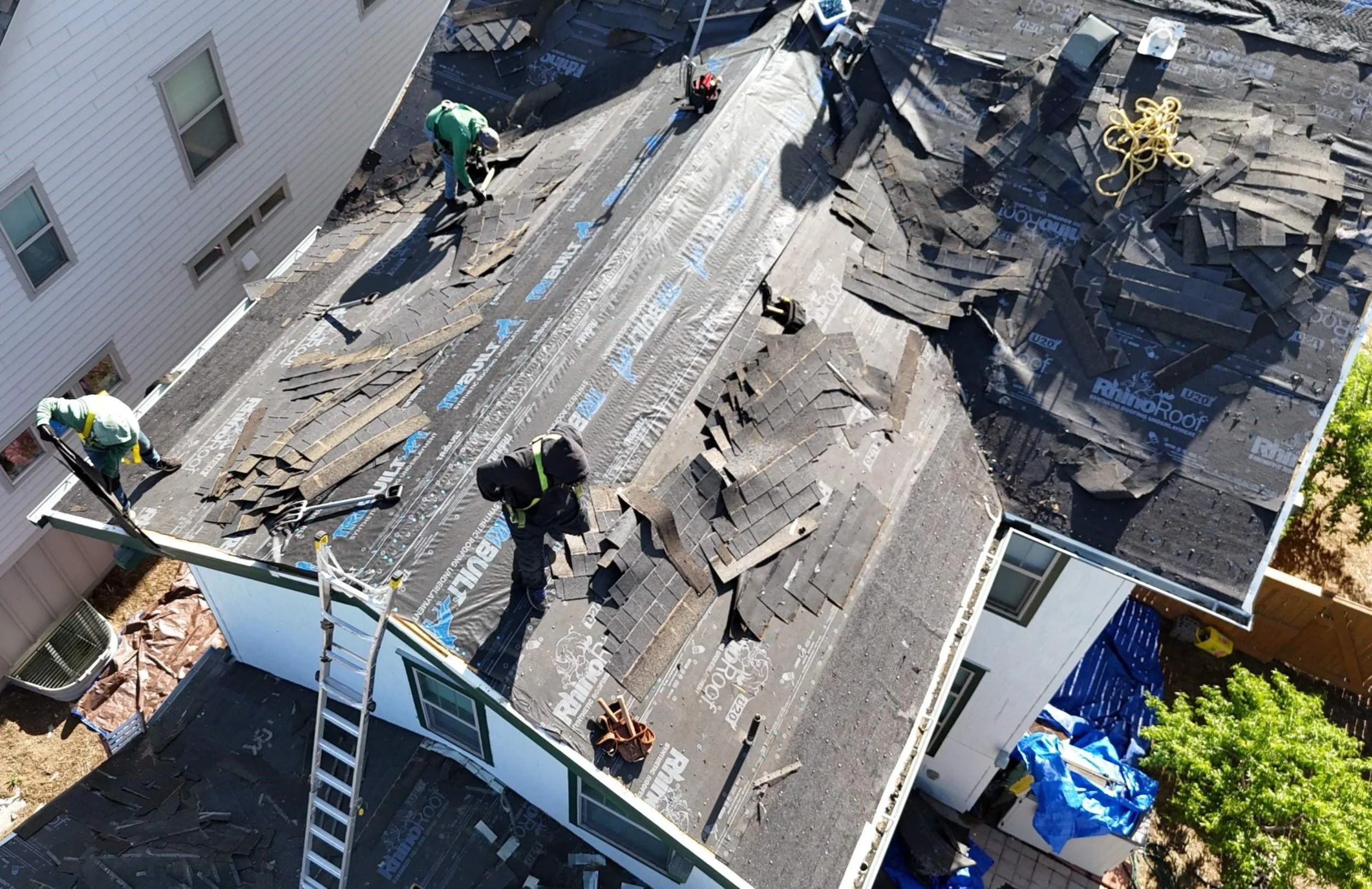
How to Know When It’s Time to Replace Your Roof
Your roof is your home’s first line of defense against the elements. But over time, even the most well-built roof can wear down. Knowing when to replace your roof can save you from costly repairs, water damage, and structural issues. Here are the most common signs it’s time for a roof replacement:
Your roof is your home’s first line of defense against the elements. But over time, even the most
well-built roof can wear down. Knowing when to replace your roof can save you from costly
repairs, water damage, and structural issues. Here are the most common signs it’s time for a roof
replacement:
1. Your Roof is 20+ Years Old
Most asphalt shingle roofs last between 20-25 years. If your roof is reaching or past that age, it
may be time to consider a replacement—even if it still looks okay from the ground.
2. Shingles are Curling, Cracking, or Missing
Curling edges, cracked surfaces, or entire shingles missing are clear signs of deterioration.
Damaged shingles leave your roof vulnerable to leaks and further damage, especially during
Colorado’s harsh weather seasons.
3. Granules in the Gutters
If you notice black sand-like granules accumulating in your gutters, it’s a sign your shingles are
breaking down. These granules protect your roof from UV damage and water infiltration, so their
loss means your roof is losing its effectiveness.
4. Sagging or Uneven Rooflines
A sagging roof is a red flag indicating structural issues, often due to prolonged water damage or
rotting decking underneath the shingles. This issue should be addressed immediately.
5. Water Leaks or Stains on Ceilings
If you spot water stains, bubbling paint, or actual drips in your home, your roof is likely
compromised. Even small leaks can lead to mold, insulation damage, and major repairs if
ignored.
6. Moss, Mold, or Algae Growth
Excessive moss or algae growth on your shingles can indicate trapped moisture, which shortens
your roof’s lifespan. While it may look like a cosmetic issue, it’s often a sign of deeper problems.
7. Rising Energy Bills
A failing roof can affect your home’s insulation and ventilation, leading to higher heating and
cooling costs. If you’ve seen an unexplained increase in your energy bills, your roof could be the
culprit.
Why Choose Alta Roofing?
At Alta Roofing, we specialize in identifying roofing issues early and offering honest, expert
solutions. Whether it’s a minor repair or a full roof replacement, we bring integrity, quality, and
decades of experience to every job.
Need a Roof Inspection?
Contact Alta Roofing today for a free inspection and expert guidance
on whether it’s time to replace your roof. Let us help protect your home and restore your peace
of mind.
Serving Colorado homeowners with integrity, excellence, and craftsmanship.