
Buyer's Guide: Best Roofing Contractors Colorado for 2026
Why Colorado Homeowners Need Specialized Roofing Contractors
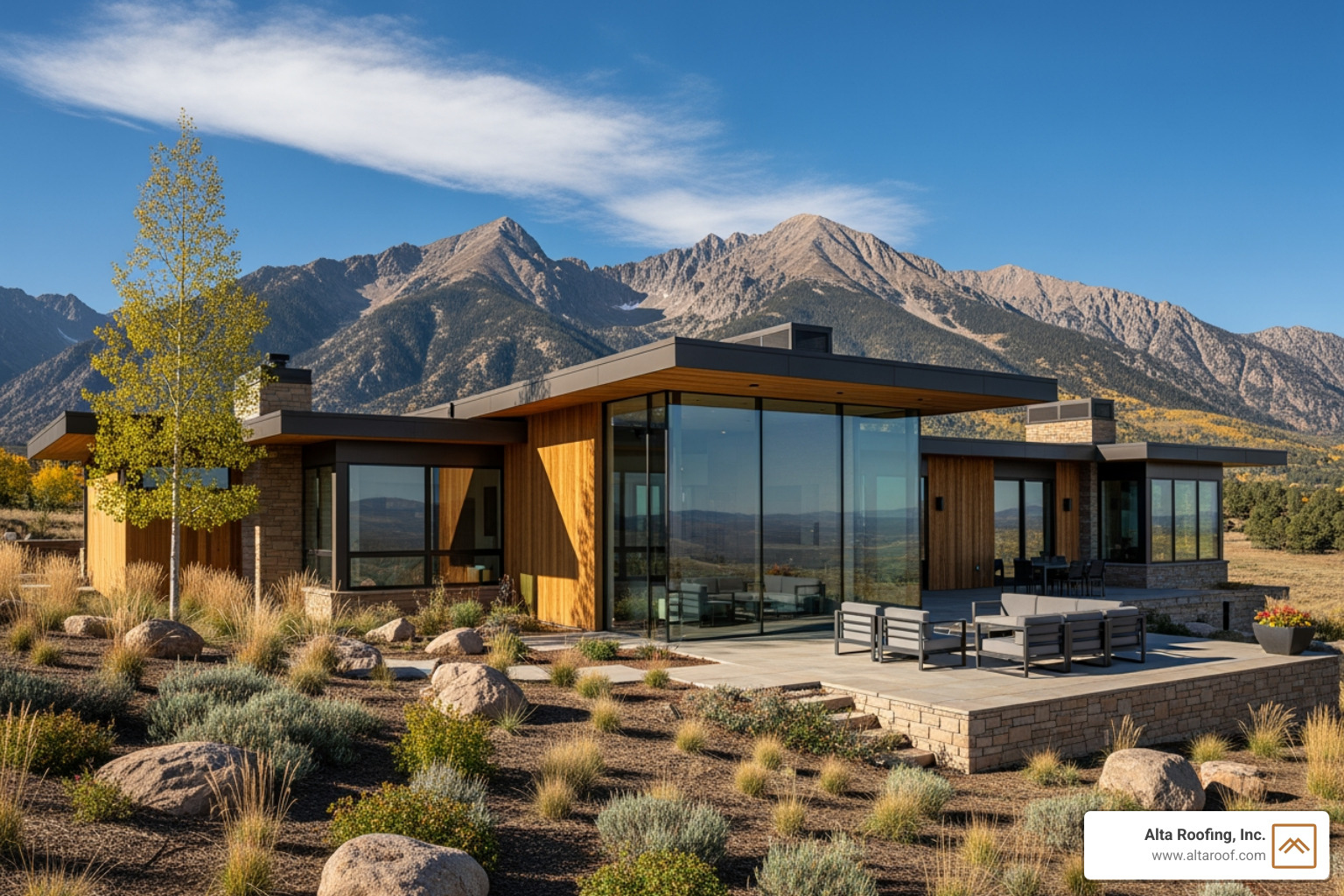
Roofing contractors Colorado homeowners choose must understand the state's unique climate challenges—from intense high-altitude UV exposure to notorious hailstorms and extreme temperature swings. The right contractor not only installs your roof but also steers complex insurance claims, sources impact-resistant materials, and provides long-term protection against Colorado's harsh weather conditions.
Key Factors When Choosing Colorado Roofing Contractors:
- Local Licensing & Insurance - Verify Colorado-specific credentials and worker's compensation coverage
- Manufacturer Certifications - Look for GAF Master Elite or CertainTeed SELECT ShingleMaster status
- Storm Damage Experience - Ensure expertise in hail claims and insurance negotiations
- Material Knowledge - Contractors should recommend Class 4 impact-resistant shingles for Colorado's "Hail Alley"
- Comprehensive Services - Seek contractors offering inspections, repairs, replacements, and restoration
Colorado's higher elevation means thinner atmosphere and significantly less protection from the sun’s ultraviolet (UV) rays. UV exposure at high altitudes can cause Colorado roofs to deteriorate up to 50% faster than those in lower-elevation states. The average cost of a new roof in Colorado typically ranges from $8,000 to $20,000, with standard asphalt shingle roofs averaging $10,000 to $15,000. In Colorado, roofs typically need to be replaced every 15 to 30 years, depending on material quality and weather exposure.
The Colorado Roofing Association, established in 1978, promotes ethics and education throughout the industry. Their member directory helps homeowners find licensed contractors who understand regional building codes and climate-specific installation techniques. Whether you're dealing with storm damage, planning a replacement, or simply need an honest inspection, choosing a contractor with proven Colorado experience is essential.
I'm Barry Goers, founder of Tarben Ventures Ltd. with experience in the construction industry and a deep understanding of the challenges roofing contractors Colorado homeowners face when protecting their homes against extreme weather. Through my work in construction investment and operations, I've seen how critical it is to choose contractors who combine technical expertise with honest customer service.
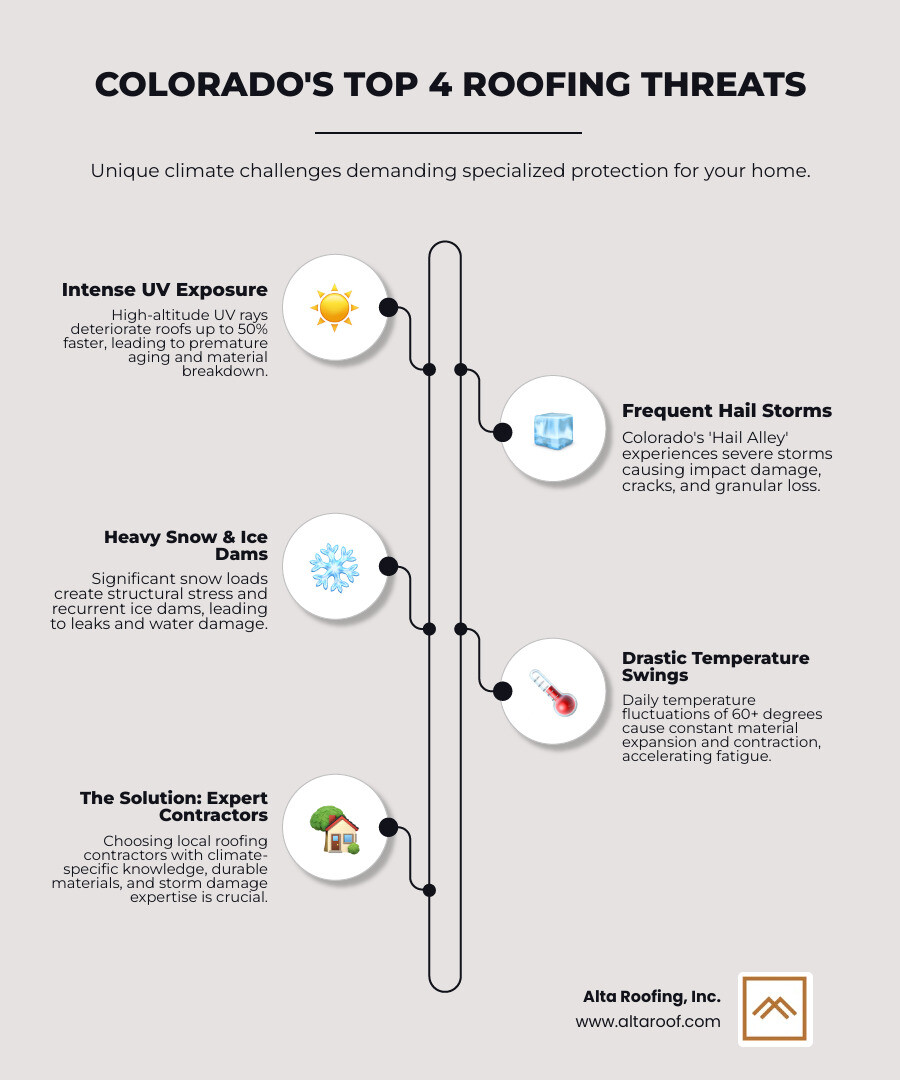
The Colorado Climate Challenge: Why Your Roof Needs Special Attention
Colorado is stunning, but let's be honest, our weather can be a bit… dramatic. From scorching summer sun to brutal winter blizzards, your roof takes a beating year-round. Understanding these unique challenges is the first step in finding the right roofing contractors Colorado has to offer.
Intense UV Exposure
We love our 300+ days of sunshine, but that brilliant sun comes with a downside for your roof. Colorado’s higher elevation means a thinner atmosphere, providing significantly less protection from the sun’s ultraviolet (UV) rays. This intense UV exposure can cause roofing materials to deteriorate up to 50% faster than roofs in lower-elevation states. It breaks down the essential oils in asphalt shingles, leading to brittleness, cracking, and granule loss—the tiny, sand-like particles that protect your shingles.
Extreme Temperature Fluctuations
If you've lived here for any length of time, you've experienced the wild temperature swings—sometimes 40 to 60+ degrees in a single day! This constant expansion and contraction puts immense stress on your roofing materials. Fasteners can loosen, shingles can crack, and the layers of your roof can separate, creating vulnerabilities for water intrusion. The rapid freeze-thaw cycles, especially in areas like Golden (at 7,000+ feet elevation), can accelerate moisture infiltration damage by 40%.
Heavy Snow & Ice Dams
Our beautiful snow-capped mountains are picturesque, but heavy snowfall and subsequent ice dams pose a serious threat to your roof's integrity. Significant snow loads can cause structural stress, and as that snow melts and refreezes, ice dams can form along your eaves. These dams prevent melting snow from draining properly, allowing water to back up and seep beneath your shingles, leading to costly interior damage. Proactive maintenance and proper insulation are key to mitigating these issues.
Hail Alley
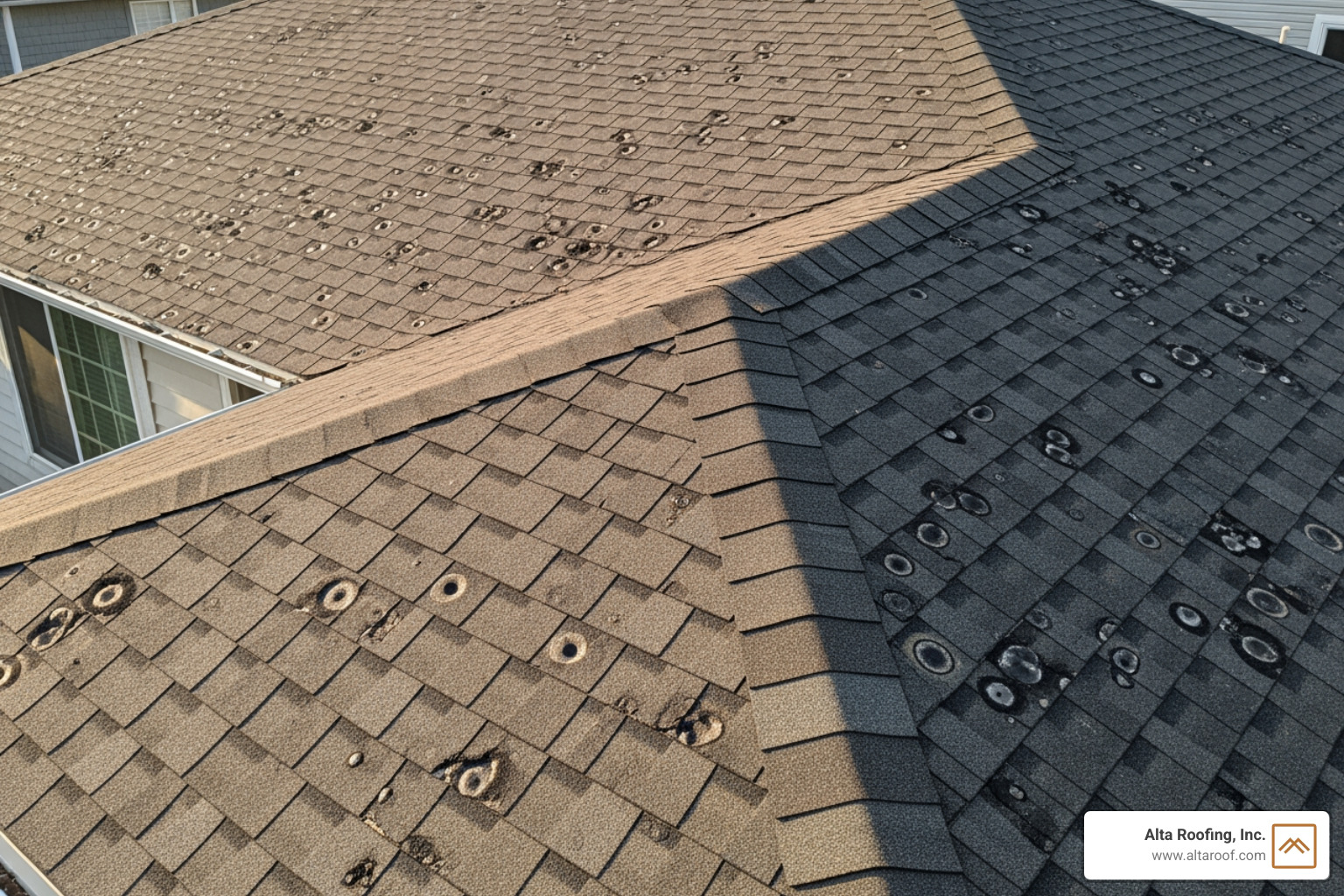
Colorado is famously part of "Hail Alley," experiencing frequent and often severe hailstorms. These storms can cause significant impact damage, from bruising and cracking shingles to completely dislodging them. Wind, often accompanying hailstorms, can also lift and tear away shingles, leaving your home exposed. This is why we strongly recommend bi-annual roof inspections—one in the spring to assess winter damage and one in the fall to prepare for snow season. Additionally, always schedule an inspection after any significant weather event, especially winds over 50 mph or hail larger than ¼ inch. For more detailed information on how hail impacts your roof, visit our page on More info about hail damage.
Your 7-Point Checklist for Choosing the Best Roofing Contractors Colorado
Choosing a roofing contractor in Colorado isn't just about finding someone to nail down shingles; it's about partnering with an expert who understands our unique climate, building codes, and insurance landscape. Here's our comprehensive checklist to help you make an informed decision.
1. Verify They Are Local, Licensed, and Insured
This is non-negotiable. A local contractor, particularly one serving areas like Denver, Aurora, Colorado Springs, Castle Rock, Golden, and other Front Range communities, will have an intimate understanding of the specific weather patterns, local building codes, and even HOA requirements that out-of-state "storm chasers" often lack. For instance, in Golden, where elevations exceed 7,000 feet, contractors must recommend materials and techniques suitable for intense UV, heavy snow loads, and significant temperature swings.
Beyond local knowledge, ensure your chosen roofing contractors Colorado are properly licensed and insured. This includes general liability insurance to protect your property and workers' compensation insurance to cover their crew in case of an accident. Skipping this step can leave you vulnerable to significant financial and legal headaches. The Colorado Roofing Association (CRA) is an excellent resource for finding reputable, local contractors who meet these standards. You can learn more about the benefits of choosing a local expert on our Local Roofing Contractors page.
2. Check for Manufacturer Certifications
Manufacturer certifications are a strong indicator of a contractor's commitment to quality and ongoing training. Programs like GAF Master Elite and CertainTeed SELECT ShingleMaster require contractors to meet stringent criteria, including proper licensing, insurance, a proven track record, and continuous education on the latest installation techniques and materials.
For example, GAF-certified contractors are vetted for their insurance, licensing, years of experience, and positive customer reviews. This certification allows them to offer improved warranties, such as the GAF Golden Pledge or Silver Pledge, which provide superior coverage on both materials and workmanship compared to standard warranties. These certifications demonstrate that the contractor is backed by the industry's leading manufacturers, ensuring you receive high-quality products installed by trained professionals.
3. Scrutinize Reviews and Reputation
A contractor's reputation is just a click away. We recommend thoroughly checking online reviews on platforms like Google, Yelp, and Angi. Look for consistent positive feedback regarding professionalism, communication, quality of work, and adherence to timelines and budgets. Pay attention to how contractors respond to negative reviews—a professional and constructive response can be as telling as a glowing testimonial.
Beyond online reviews, check their rating with the Better Business Bureau (BBB). Many reputable Colorado roofing companies, like Elite Roofing & Solar and CJ Roofing, boast A+ ratings, reflecting their commitment to customer satisfaction. Don't hesitate to ask for local references from past clients in your area. Hearing directly from homeowners who have worked with them can provide invaluable insights into their experience. At Alta Roofing, we pride ourselves on our positive customer experiences, and you can always View our work to see our craftsmanship firsthand.
4. Understand Their Offered Services
A comprehensive roofing contractors Colorado firm should offer a full suite of services to meet all your roofing needs. This typically includes:
- Roof Inspections: Thorough assessments to identify current damage or potential issues.
- Roof Repairs: Addressing specific problems like leaks, missing shingles, or minor storm damage.
- Full Replacements: When repairs are no longer sufficient, a complete roof overhaul.
- Storm Damage Restoration: Specialized expertise in repairing or replacing roofs damaged by hail, wind, or snow.
- Gutter Services: Often integrated with roofing, proper gutters are essential for water management.
- Attic Ventilation: Crucial for extending roof life and improving energy efficiency, especially in Colorado's climate extremes.
- Some advanced contractors even offer solar panel integration.
Ensure the contractor's services align with your specific needs. For a detailed look at the range of services we provide, including residential, commercial, and storm restoration, please visit our Services page.
5. Inquire About Warranties
Warranties are your long-term protection and a testament to a contractor's confidence in their work. There are typically two types:
- Workmanship Warranty: Provided by the contractor, covering the quality of their installation.
- Manufacturer Warranty: Provided by the material manufacturer, covering defects in the roofing products themselves.
Reputable roofing contractors Colorado will offer robust warranties for both. For instance, GAF-certified contractors can offer improved manufacturer warranties like the GAF System Plus, which extends coverage beyond standard limited warranties, or the GAF Silver Pledge, which offers even more comprehensive protection. The Silver Pledge™ Warranty Details outline specifics such as 50-year material defect coverage and 10-year workmanship coverage. Always understand what's covered, for how long, and any conditions that might void the warranty.
6. Evaluate Their Insurance Claim Assistance
Given Colorado's "Hail Alley" status, dealing with insurance claims is a common reality for many homeowners. The best roofing contractors Colorado are experts in navigating this often-complex process. They should:
- Document Damage Thoroughly: Provide detailed reports, photos, and even drone footage of the damage.
- Guide You Through Filing: Assist you in initiating the claim with your insurance provider.
- Meet with Adjusters: Be present during the insurance adjuster's inspection to ensure all damage is properly assessed and accounted for.
- Advocate for a Fair Settlement: Help you understand your policy (Actual Cash Value vs. Replacement Cost Value) and work to ensure you receive a fair payout for necessary repairs or replacement.
At Alta Roofing, our USP revolves around handling insurance claims and coordinating all necessary trades, acting as a single point of contact for homeowners, particularly in Colorado Springs and across the Front Range. We aim to make this stressful process as smooth as possible for you.
7. Avoid Common Roofing Scams
Unfortunately, where there's opportunity, there are scams. Colorado's frequent storm activity attracts unscrupulous individuals. Be wary of:
- Storm Chasers: Out-of-state contractors who appear after a storm, often pressuring homeowners with aggressive sales tactics. They may do shoddy work and disappear quickly.
- High-Pressure Tactics: Anyone demanding an immediate decision or a large upfront payment without a detailed estimate.
- "Free Roof" Promises: No legitimate contractor offers a truly "free" roof. They are likely trying to work solely with your insurance payout, potentially cutting corners or using inferior materials.
- Door-to-Door Solicitors: While some legitimate local businesses use door-to-door sales, be cautious. Always verify their credentials and local presence.
Always get multiple quotes, check references, and ensure a detailed contract is in place before any work begins. The Colorado Roofing Association provides a helpful Re-Roofing Checklist for Consumers to help you avoid common pitfalls.
Best Roofing Materials for Colorado's Climate
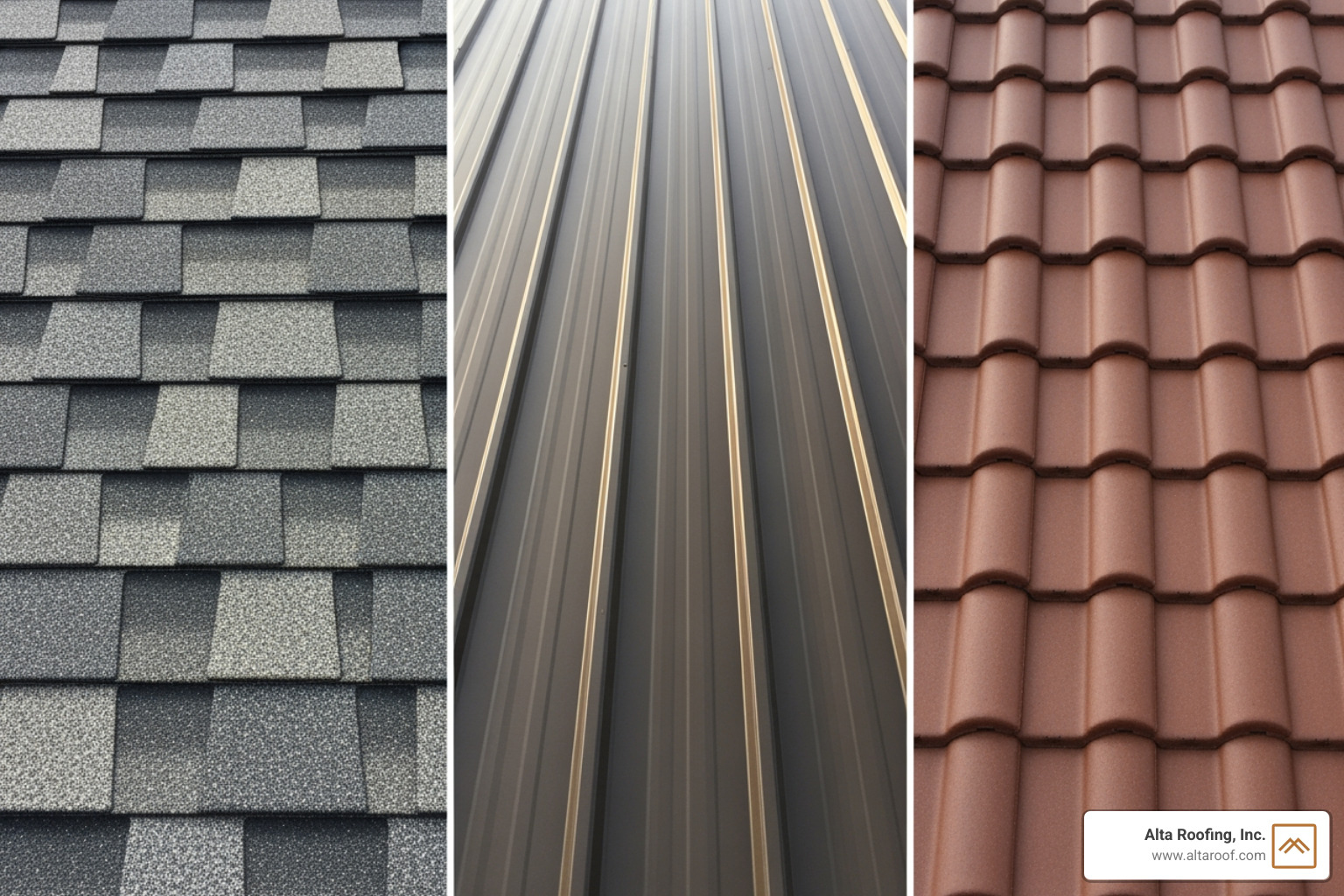
Impact-Resistant (Class 4) Asphalt Shingles
Asphalt shingles remain the most popular roofing material due to their affordability and versatility. However, for Colorado, we strongly recommend impact-resistant (IR) or Class 4 shingles. These shingles have passed the UL 2218 impact resistance test, simulating the force of hail, and are designed to withstand the frequent hailstorms we experience across Denver, Colorado Springs, and other areas.
- Pros: Cost-effective, wide range of styles and colors, good hail resistance (Class 4 can reduce insurance premiums by 15-25%), and relatively easy to install. Brands like GAF (Timberline HDZ) and Malarkey offer excellent IR options.
- Cons: While IR shingles are tough, their lifespan in Colorado's intense UV and temperature swings is still typically shorter than metal or tile—around 15 to 25 years. Granule loss due to UV exposure is a common issue.
Metal Roofing
Often considered the "gold standard" for challenging environments like Golden's 7,000+ foot elevation, metal roofing offers unparalleled durability and longevity.
- Pros: Exceptional durability against hail, wind (up to 70+ mph), and fire. Lifespan of 30-50+ years, often outperforming premium asphalt by 7-10 years on south-facing slopes with maximum UV exposure. Excellent for shedding snow and ice. Can reduce summer cooling costs by up to 25%. Available in various types, including standing seam and stone-coated steel (e.g., Decra).
- Cons: Higher initial cost compared to asphalt shingles. Installation requires specialized expertise.
Synthetic, Concrete, and Clay Tiles
These materials offer a blend of aesthetic appeal and extreme performance, making them excellent choices for Colorado homes.
- Pros: Superior longevity (30-50+ years for synthetic and tile), highly resistant to hail, wind, fire, and UV. Synthetic products (like Bartile's synthetic slate) excel against Colorado's freeze-thaw cycles and high winds. They offer a luxurious appearance and can meet strict HOA requirements.
- Cons: These materials are generally heavier than asphalt or metal, potentially requiring additional structural support. They also come with a higher initial cost and require specialized installation techniques.
Comparing Top Colorado Roofing Materials
| Material | Average Lifespan (CO) | Average Cost (CO) | Hail/Wind Resistance | Pros | Cons |
|---|---|---|---|---|---|
| Impact-Resistant Asphalt Shingle | 15-25 years | $10,000 - $15,000 | Good | Cost-effective, wide style range, insurance discounts (Class 4) | Shorter lifespan than alternatives, UV degradation over time |
| Metal Roofing | 30-50+ years | Higher than asphalt | Excellent | Extreme durability, longevity, fire resistance, snow shedding, energy efficient, "gold standard" for challenging environments | Higher initial cost, can be noisy during heavy rain/hail, specialized installation |
| Synthetic Tile | 30-50+ years | High | Excellent | Extreme durability, aesthetic appeal, good for freeze-thaw, wind resistant, lighter than natural tiles | Higher initial cost, specialized installation |
| Concrete/Clay Tile | 30-50+ years | High | Excellent | Classic aesthetic, extreme durability, fire resistant, long lifespan | Very heavy (may require structural reinforcement), high initial cost, fragile to walk on |
Budgeting and Next Steps: Costs, Repairs, and Insurance Claims
Understanding the financial aspects of roofing in Colorado, along with knowing when to act, is crucial for protecting your home investment.
Understanding the Average Cost for roofing contractors Colorado
The cost of roofing services in Colorado can vary significantly. Generally, the average cost of a new roof in Colorado typically ranges from $8,000 to $20,000. For a standard asphalt shingle roof, homeowners can expect to pay around $10,000 to $15,000 on average.
Several factors influence this pricing:
- Roof Size and Pitch: Larger roofs and those with steeper pitches require more materials and labor.
- Material Choice: As discussed, metal and tile roofs have a higher upfront cost than asphalt shingles.
- Complexity: Features like multiple valleys, skylights, or chimneys add to labor and material costs.
- Location: Mountain communities like Golden might experience higher material and labor costs due to logistics and the need for specialized, more durable materials.
- Underlying Damage: If the roof deck needs repair or replacement due to water damage, this will add to the overall expense.
Many roofing contractors Colorado offer financing options. Some local partnerships, aware of the higher costs for premium materials needed for our extreme weather, offer solutions like 18-month same-as-cash programs or fixed-rate financing from 24-120 months (starting around 5.99%). Don't hesitate to ask about these options.
Signs Your Roof Needs Repair or Replacement
Ignoring early warning signs can turn a minor repair into a costly replacement. Here are key indicators that your roof needs attention:
- Missing or Cracked Shingles: Especially after high winds or hail, these are clear signs of damage.
- Granule Loss: If you see a lot of shingle granules in your gutters or downspouts, it means your shingles are losing their protective layer.
- Ceiling Stains: Water spots on your interior ceilings or walls indicate a leak.
- Sagging Roof Deck: A visible sag in your roofline is a serious structural issue.
- Age of Roof: In Colorado, asphalt shingle roofs typically last 15 to 25 years. If your roof is approaching or exceeding this age, it's wise to have it inspected.
- Increased Energy Bills: A compromised roof can lead to poor insulation and higher heating/cooling costs.
If you notice any of these signs, it's time to call in the professionals. For a more in-depth guide on assessing your roof's condition, check out our article on When to Replace Your Roof.
Navigating the Insurance Claim Process for roofing contractors Colorado
Dealing with roof damage, especially after a major storm, is stressful enough without the added headache of insurance claims. This is where experienced roofing contractors Colorado truly shine.
Here’s how we recommend navigating the process:
- Document the Damage: Take clear photos and videos of all visible damage from various angles. This evidence will be crucial for your claim.
- File Your Claim Promptly: Contact your insurance provider as soon as possible after finding damage. Be prepared with your documentation.
- Schedule a Contractor Inspection: Before the insurance adjuster arrives, have your chosen roofing contractor conduct their own thorough inspection. They can identify damage that might be missed by an untrained eye.
- Meet the Adjuster with Your Contractor: We highly recommend having your roofing contractor present during the insurance adjuster's visit. Your contractor can point out damage, explain the repair process, and advocate for a comprehensive assessment, ensuring nothing is overlooked.
- Understand Your Policy: Familiarize yourself with your policy's terms, especially regarding Actual Cash Value (ACV) vs. Replacement Cost Value (RCV). RCV policies generally offer better coverage, paying for the full cost of replacement without depreciation.
- Review the Settlement: Your contractor can help you review the insurance settlement to ensure it covers all necessary repairs and materials, particularly for Colorado-specific requirements like impact-resistant shingles.
At Alta Roofing, we specialize in assisting homeowners across Denver, Colorado Springs, and the Front Range with their insurance claims. Our expertise in documenting damage and advocating on your behalf helps ensure a fair settlement. For more guidance, watch this helpful video: Tips For Filing Insurance Claims (video).
Frequently Asked Questions
When it comes to your roof in Colorado, you're bound to have questions. Here are some of the most common inquiries we receive from homeowners.
How often should I have my roof inspected in Colorado?
Due to Colorado's extreme weather—intense UV radiation, 60+ degree temperature swings, heavy snow loads, and spring hailstorms—we recommend bi-annual inspections. A spring check helps identify any damage sustained over the winter, allowing for repairs when conditions are optimal. A fall inspection prepares your roof for the upcoming snow season, ensuring it's sealed and ready to withstand the elements.
Additionally, always schedule an inspection after any significant weather event. This means after winds over 50 mph or hail larger than ¼ inch—conditions that Golden, for instance, experiences several times yearly. Proactive maintenance and regular inspections are the best ways to extend your roof's lifespan and catch minor issues before they become major problems.
What is a Class 4 shingle and is it worth it in Colorado?
A Class 4 shingle refers to its impact resistance rating, the highest classification under the UL 2218 test. This test simulates the impact of hail by dropping steel balls from varying heights onto the shingle. A Class 4 rating means the shingle can withstand the impact of a 2-inch steel ball dropped from 20 feet without cracking.
In Colorado's "Hail Alley," Class 4 shingles are absolutely worth it. They provide superior protection against hail damage, which is a frequent cause of roof replacement here. Beyond the improved durability, many insurance companies offer significant premium discounts (sometimes 15-25%) for homes protected with Class 4 impact-resistant roofing. This can lead to substantial long-term savings and peace of mind.
Can I choose my own roofing contractor if my insurance company recommends one?
Yes, absolutely! It is your right as a homeowner to choose your own roofing contractor. While your insurance company might provide a list of "preferred" vendors, you are under no obligation to use them. These lists often consist of contractors who have agreed to specific pricing or processes with the insurer, which may not always be in your best interest.
We strongly advise getting multiple quotes from reputable, local roofing contractors Colorado who are licensed, insured, and experienced with Colorado's climate and insurance claims. Compare their estimates, services, warranties, and customer reviews. Choosing the right contractor ensures you get quality workmanship, appropriate materials for our climate, and an advocate on your side throughout the claims process. Don't let your insurance company steer you; make an informed decision that protects your home and your investment.
Conclusion: Securing Your Home with the Right Colorado Roofing Partner
Navigating the unique challenges of Colorado's climate and the complexities of roof repair or replacement requires more than just a general contractor. It demands a specialized, local expert. We've walked through the critical steps: from understanding the brutal impact of UV, hail, snow, and temperature swings, to vetting contractors based on their local presence, certifications, reputation, and service offerings. We've emphasized the importance of robust warranties and, crucially, a contractor's ability to expertly guide you through the insurance claims process.
For homeowners across Denver, Aurora, Thornton, Lakewood, Colorado Springs, Castle Rock, Manitou Springs, Elizabeth, Parker, Golden, Arvada, Woodland Park, Highlands Ranch, Littleton, Lone Tree, Fountain, Centennial, Englewood, Castle Pines, and Monument, choosing the right roofing contractors Colorado has to offer is the ultimate safeguard for your home. At Alta Roofing, we pride ourselves on being that trusted partner. We handle insurance claims, coordinate all necessary trades, and act as your single point of contact for comprehensive exterior home restoration, ensuring a seamless and stress-free experience.
Don't let Colorado's weather dictate the lifespan of your roof. Empower yourself with knowledge and partner with professionals who understand the unique demands of our beautiful state. Schedule your free inspection today, and let us help you protect your most valuable asset.
