
Shingle Shockers: Understanding Roof Replacement Costs in Colorado
What's the Real Cost of a New Roof in Colorado?

Roof replacement cost estimate in Colorado typically ranges from $7,000 to $14,500 for most homes, though the final price depends heavily on your specific situation. Here's what you need to know right away:
- National Average: $11,000
- Colorado Range: $10,000 to $50,000+ depending on size and materials
- Typical 2,000 sq. ft. Home: $9,000 to $13,000 for asphalt shingles
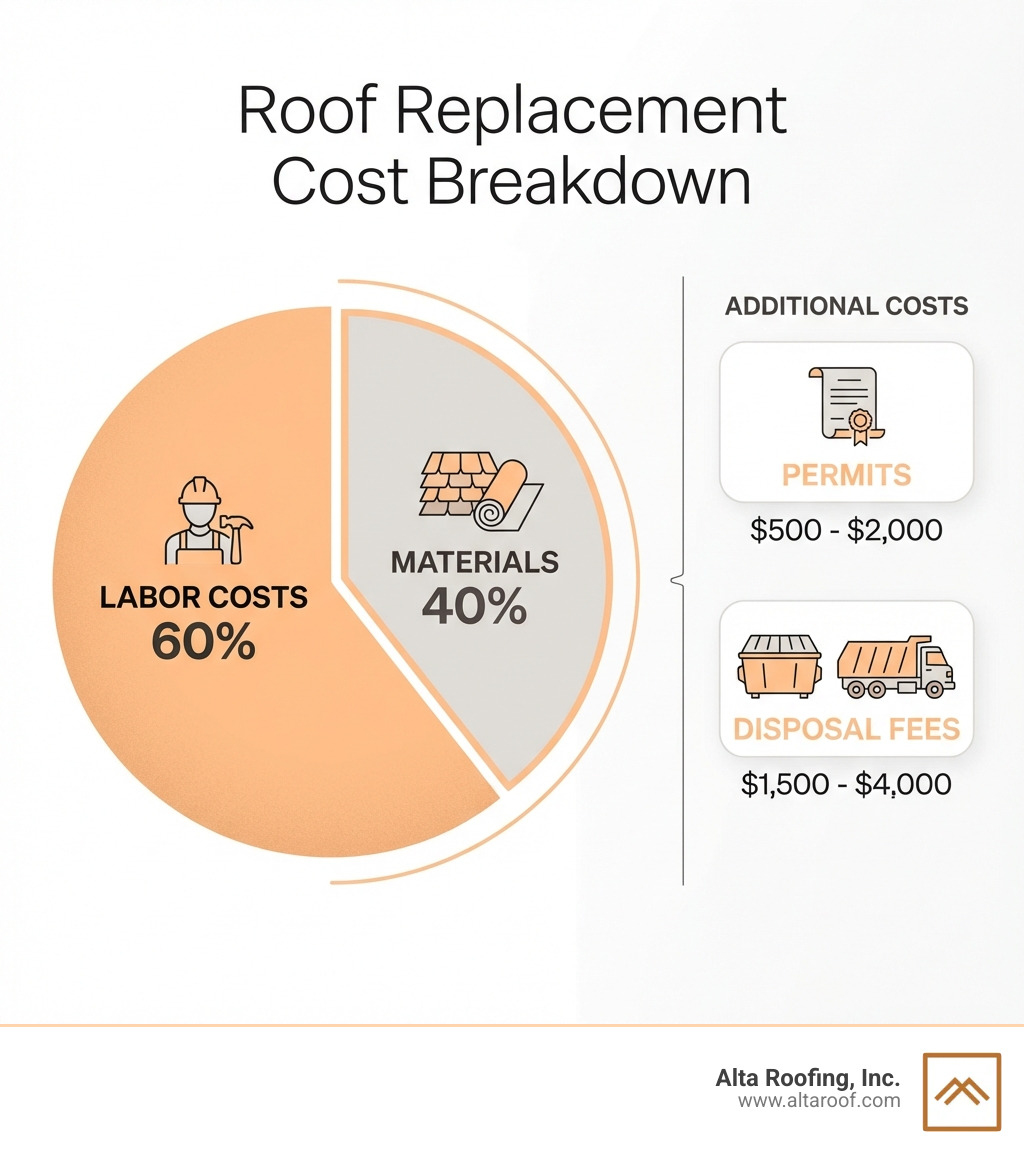
- Cost Breakdown: 60% labor, 40% materials
- Additional Costs: Permits ($500-$2,000), tear-off ($1,500-$4,000), disposal fees
Replacing the roof is probably the house renovation project that homeowners most dread. And with good reason: It's one of the most expensive home improvements you'll face, and the price can vary wildly based on factors you might not even know to consider.
Why do estimates vary so much? The difference between a $7,000 and a $50,000 roof isn't just about square footage. Your roof's pitch, complexity, the materials you choose, and even Colorado's unique climate challenges all play a role. A steep, multi-valley roof with skylights in Denver will cost significantly more than a simple gable roof in Colorado Springs.
Colorado-specific factors also drive up costs. Higher elevation means more intense UV exposure, which affects material longevity. Hail damage is a major concern across the Front Range. Snow load requirements mean stronger materials and specialized installation. And labor rates in metro areas like Denver run higher than in smaller towns.
The good news? Understanding these variables puts you in control. When you know what drives the cost, you can make smart decisions about materials, timing, and contractors. You can spot when a quote is missing important items. And you'll know if you're getting a fair price or being overcharged.
As Barry Goers, I've spent years helping Colorado homeowners steer major exterior projects through Tarben Ventures and Alta Roofing, Inc. Understanding a roof replacement cost estimate is critical to making informed decisions about protecting your home and managing your investment effectively.
The national average cost to replace a roof in the U.S. is about $11,000 in 2026, with most homeowners spending between $7,000 and $14,500. However, for a typical 1,700 square foot asphalt shingle roof, you might expect to pay between $6,000 to $9,000. These figures are just averages, and as we'll explore, the cost for your home in Colorado can fluctuate significantly. For instance, while a simple roof might start around $5,000, complex or high-end projects, especially in our Colorado climate, can easily exceed $25,000, or even $50,000 plus.
The cost of a new roof is influenced by a myriad of factors, from the materials chosen to the complexity of your roof's design. This is why understand what goes into your Understanding roof costs and why different estimates might vary. For homeowners in our service areas like Denver, Aurora, Colorado Springs, and Castle Rock, local conditions and labor markets will play a significant role in your final price. Prices tend to be higher in more metropolitan areas or places with a higher cost of living.
Breaking Down Your Roof Replacement Cost Estimate
When we provide a roof replacement cost estimate, we're essentially looking at two major components: the materials needed to cover and protect your home, and the labor required to install them. These two variables account for the vast majority of your total expense, with materials typically making up about 40% and labor a significant 60%.
How Different Materials Affect Your Roof Replacement Cost Estimate
The type of roofing material you choose is one of the most impactful decisions you'll make when considering a roof replacement. It directly affects the upfront cost, the installation time, and the long-term durability and aesthetic of your home.
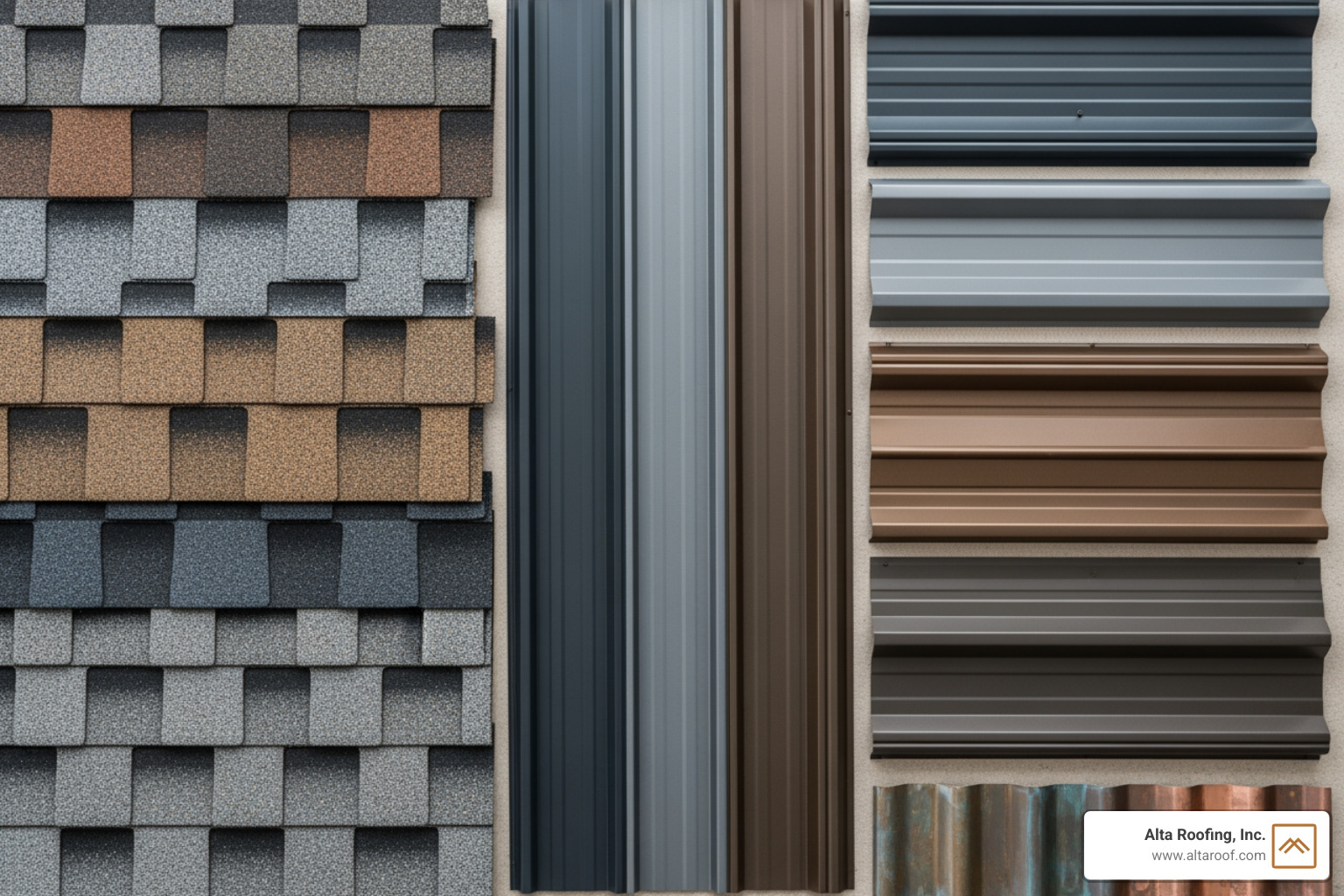
Here’s a look at how different materials stack up in terms of cost, lifespan, and their unique advantages and disadvantages, especially considering Colorado's climate:
| Material | Cost per Sq. Ft. (Installed) | Lifespan | Pros
- Graphic:
(already in intro)
Size, Pitch, and Shape
The size of your roof is paramount, but don't confuse it with your home's square footage. A roof's surface area is typically about 1.2 times larger than the home's footprint. So, for a 1,200 sq. ft. home, we're looking at an estimated roof area of 1,400 – 1,600 sq. ft. For a larger 3,200 sq. ft. home, this could expand to 3,700 – 4,200 sq. ft. More surface area naturally means more materials and more labor.
Then there's the pitch, or steepness, of your roof. This is measured as a ratio of vertical rise for every 12 inches of horizontal run. A 4/12 pitch means the roof rises 4 inches for every 12 inches horizontally. Common residential roof pitches in Colorado range between 4/12 and 8/12. Pitches below 4/12 are considered 'low slope', while anything higher than 8/12 is generally considered steep. Some roofs, especially on older or custom homes in areas like Golden or Evergreen, can have pitches of 12/12 or more, which means they rise at a 45-degree angle.
Steeper roofs present several challenges:
- Increased Surface Area: A steeper pitch means more square footage to cover, even if the home's footprint remains the same.
- Difficulty and Safety: Working on a steep roof is inherently more difficult and dangerous. We often need specialized safety equipment like scaffolding, harnesses, and toe boards to ensure our crew's safety and efficient work. This directly impacts labor costs, adding anywhere from 10% to 25% to the total cost, or an additional $1,000 to $3,000 on top of standard expenses.
- Material Compatibility: Certain roofing materials are not suitable for low-slope roofs, and some materials are more challenging to install on very steep roofs.
The shape of your roof also impacts cost. A simple gable roof (two sloping sides) is generally less expensive than a complex hipped roof (slopes on all four sides), which can cost up to $25 per square foot due to the intricate cuts and angles. Flat roofs, common on commercial buildings or modern residential designs, don't usually exceed $7 per square foot for material and installation, but they often require specialized materials like TPO. For more insights on how these factors influence your estimate, you can refer to resources like How Much Does Roof Replacement Cost in 2025?.
Additional Features and Obstacles
Beyond the basic size and pitch, your roof might have features that add to the complexity and, consequently, the cost. Think of these as the "extras" that require more intricate work and specialized attention.
- Skylights: While beautiful, each skylight adds to the labor and material cost. They require careful flashing and sealing to prevent leaks, adding between $500 and $2,000 per skylight to the project.
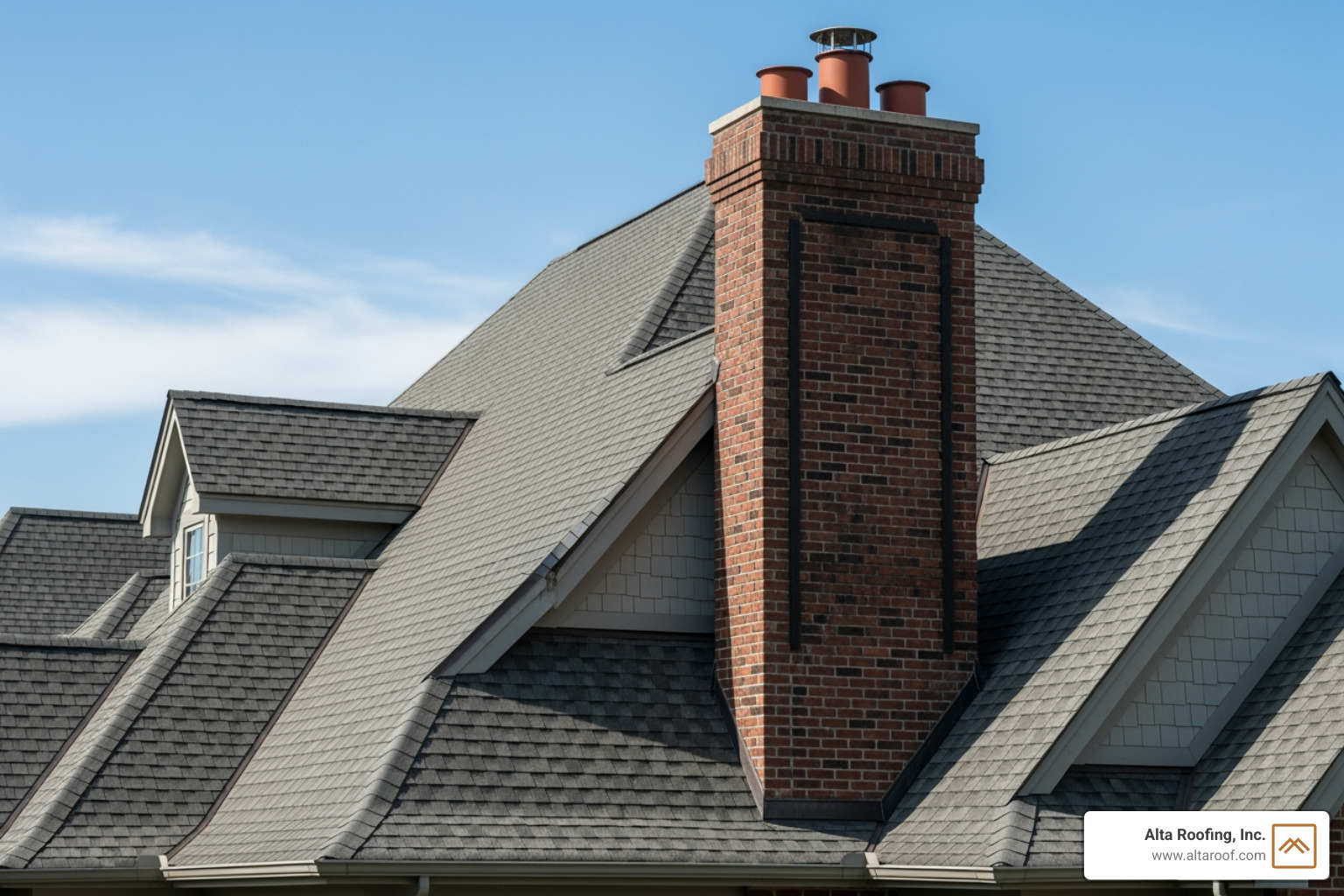
- Chimneys: Similar to skylights, chimneys need meticulous flashing and often require more complex cuts around their base.
- Vents and Pipe Boots: Every vent pipe, exhaust fan, or plumbing stack that penetrates your roof needs a special seal, known as a pipe boot, and flashing. Each pipe boot can cost between $63.00 and $85.00. Flashing, typically thin galvanized steel, costs between $9.00 and $11.00 per foot.
- Dormers: These windowed structures projecting from the roof create additional valleys, hips, and edges that increase the complexity and material needs.
- Multiple Roof Layers: If your existing roof has multiple layers of shingles, removing them will increase the tear-off costs. Most cities and county building codes in Colorado will allow two or three layers of shingles to be installed on top of one another, but removing them all is crucial for a quality new installation.
- Tear-Off and Disposal Costs: Removing and disposing of your existing roofing material is a necessary step. This can cost between $0.40 and $2.00 per square foot, or typically $1,500 to $4,000 for a residential roof. This includes the labor for removal and the dump fees for proper disposal. For a typical 1,700 sq. ft. roof, asphalt shingle removal alone can cost $0.39-$0.53 per square foot.
Each of these elements adds to the overall intricacy of the job, increasing both material requirements and the labor time needed for precise installation.
Beyond the Basics: Hidden Costs and Ways to Save
When we present a roof replacement cost estimate, we aim to be as transparent as possible. However, it's wise for homeowners to be aware of all potential costs, some of which might not be immediately obvious. A comprehensive quote covers more than just shingles and nails; it ensures a durable, compliant, and problem-free roof for years to come.
Additional Costs to Factor In
These are the items that ensure your roof system is robust and up to code, and they are crucial to a long-lasting installation:
- Permits and Inspection Fees: Don't overlook these! Most roof replacements in Colorado require local permits to ensure the work meets building codes. These fees can range from $100 to $500, but in some areas or for complex projects, they might be between $500 and $2,000. We always handle the permitting process for our clients, ensuring compliance.
- Underlayment: This protective layer goes between your roof deck and the shingles. New underlayment costs between $1.50 and $2.10 per square foot. It's vital for waterproofing and protecting your roof deck.
- Ice and Water Shields: Especially critical in Colorado's snowy climate, these self-adhering membranes protect vulnerable areas like eaves, valleys, and around penetrations from ice dams and water penetration. Replacing ice and water barriers may cost between $1.87 and $2.53 per square foot, not including installation costs.
- Decking Replacement: If our inspection reveals damaged or rotted roof decking (the plywood or OSB sheathing), it will need to be replaced. This unforeseen cost can range between $2.20 and $3.00 per square foot.
- Fascia and Soffit Repair: These components protect your roof's edges and ventilation. If they are damaged during removal or are already deteriorated, they may need repair or replacement. Installing new fascia boards will cost between $4.25 and $8.62 per linear foot, and replacing your soffits will cost between $2.80 and $5.28 per linear foot.
- Dumpster Fees and Cleanup: As mentioned earlier, the removal and disposal of old roofing materials involve dumpster rentals and hauling. While often bundled into the "tear-off" cost, sometimes cleanup and disposal are listed separately, adding about $500 total. We always ensure our work sites are left spotless.
How to Reduce Your Overall Cost
While a roof replacement is a significant investment, there are smart ways to manage and potentially reduce your overall roof replacement cost estimate:
- Off-Season Scheduling: If your roof isn't in critical condition, consider scheduling your replacement during the roofer's slower periods, typically late winter or early spring. Contractors might offer better rates to keep their crews busy.
- Material Selection: As we saw in the table above, material costs vary widely. Asphalt shingles are generally the most budget-friendly option. While premium materials offer longer lifespans, choosing a high-quality architectural shingle can provide a great balance of durability and cost-effectiveness for many Colorado homes.
- Insurance Claims for Storm Damage: This is where Alta Roofing, Inc. truly shines. If your roof damage is due to a covered event like hail or high winds, your homeowner's insurance might cover a significant portion, or even all, of the replacement cost. We specialize in storm restoration and can act as your single point of contact, handling the insurance claim process and coordinating all necessary trades to restore your home, particularly in areas like Colorado Springs, Parker, and Monument, where hail is common. This can be a huge relief, turning a daunting expense into a manageable one.
- Getting Multiple Quotes: Always get at least three detailed estimates from reputable roofing contractors. This allows you to compare not just the bottom line, but also the materials, warranties, and scope of work included. Be wary of estimates that seem too low; they might indicate subpar materials or shortcuts that could cost you more in the long run.
- Research Roofers: Choose a contractor with a proven track record, proper licensing, and comprehensive insurance. Check references and online reviews. We invite you to View our past projects to see the quality of our work for yourself.
- DIY vs. Professional Value: While some minor tasks like fascia or soffit repair might be DIY-friendly for experienced homeowners, roof replacement is a complex and dangerous job best left to professionals. Attempting DIY can void material warranties, lead to safety hazards, and result in costly mistakes. The labor cost (50-60% of the total) is an investment in proper installation, safety, and a reliable warranty.
Repair vs. Replace: Making the Smart Financial Decision
When your roof starts showing its age or sustains damage, a common question arises: is it better to repair it or opt for a full replacement? This is a critical decision that impacts both your immediate budget and your home's long-term health. Knowing when to repair can save you thousands, but delaying a necessary replacement can lead to more extensive and costly damage down the line.
When to Repair Your Roof
Roof repair is typically the best option for:
- Minor, Localized Damage: If only a few shingles are missing, cracked, or damaged from a localized event (like a small tree branch falling), a repair is likely sufficient. Minor roof repairs can range from $300 to $3,000, with simple fixes like replacing a few damaged shingles costing as low as $150.
- Isolated Leaks: If you have a single leak around a pipe boot, vent, or a small section of flashing, it can often be patched effectively. The average cost for repairing your roof is $379-$1,763, with the national average being $1,064.
- Young Roof Age: If your roof is relatively new (under 10-15 years old) and well-maintained, small issues can usually be addressed with repairs. For example, a few damaged asphalt shingles here and there, or in one contained area, can be handled for as low as $150.
- Flashing Issues: Problems with flashing around chimneys, skylights, or valleys can often be repaired by re-sealing or replacing the affected sections.
We always recommend addressing visible leaks immediately. Inspecting connections and caulking around roof penetrations (chimneys, vents, antennas) can often prevent small issues from becoming big problems.
When a Full Replacement is Unavoidable
Sometimes, a repair is just a temporary fix for a problem that requires a comprehensive solution. A full roof replacement makes more sense when:
- End of Lifespan: Your roof is nearing or has exceeded its expected lifespan. For instance, if your asphalt shingle roof is 15-20 years old, it's likely time for a replacement. While metal and tile roofs can last 50 years or longer, even they have a finite lifespan.
- Widespread Damage: If you see widespread curling, cracking, or rust across a large portion of your roof, or if a storm has caused significant, extensive damage (common with hail in Colorado Springs, Aurora, or Highlands Ranch), a full replacement is often the only way to restore integrity.
- Recurring Leaks: If you're experiencing leaks in multiple areas, or persistent leaks even after repairs, it often indicates a deeper, systemic problem with the entire roof system, not just an isolated spot.
- Excessive Granule Loss: For asphalt shingles, if you notice bald spots or a significant amount of granules in your gutters, it means the shingles are deteriorating and losing their protective qualities.
- Sagging Roof Deck: A visibly sagging roofline or dips in the roof deck can signal structural issues or water-soaked wood underneath, requiring immediate and extensive intervention.
- Improving Home Value: While a roof replacement recoups around 49 percent (for metal roofs) to nearly 61 percent (for asphalt) of its cost at resale, according to Remodeling’s “2023 Cost vs Value Report,” it's a crucial investment. A new, well-installed roof significantly improves curb appeal, protects your home from the elements, and is a major selling point. Ignoring the need for a new roof will not only cause additional damage to your home but will decrease its value and impact your ability to sell it for top price.
If repair costs are approaching 30% or more of the cost of a full replacement, replacement is often the smarter long-term decision. Investing in a new roof often saves money over continued patchwork fixes, ensuring lasting protection and peace of mind.
Frequently Asked Questions about Roof Replacement
Navigating roof replacement can bring up many questions. Here, we address some of the most common concerns we hear from homeowners in Colorado.
What are the signs that my roof needs to be replaced?
Knowing when your roof is signaling for help is crucial. Here are the key indicators we look for:
- Curling or Cracked Shingles: If your shingles are curling at the edges, cupping in the middle, or showing visible cracks, they are deteriorating and losing their effectiveness.
- Bald Spots with Missing Granules: For asphalt shingles, the granules protect the asphalt from UV rays. If you see dark, exposed asphalt or an excessive amount of granules in your gutters, your roof is losing its protective layer.
- Moss or Algae Growth: While not always a direct sign of failure, extensive moss or algae can trap moisture, accelerate deterioration, and hide underlying issues.
- Water Stains on Ceilings or Walls: Any water stains, drips, or streaks on your interior ceilings, upper walls, or in the attic are undeniable signs of a leak that needs immediate attention.
- Sagging Roof Deck: A visible sag or dip in your roofline indicates a serious structural problem, possibly due to water damage or inadequate framing, requiring urgent professional assessment.
- Roof Age Over 20 Years: If your asphalt shingle roof is approaching or past the 20-year mark (for 3-tab) or 25-30 years (for architectural), it's likely nearing the end of its functional life, even if it looks okay from the ground. We recommend an annual inspection to catch problems early.
How does living in Colorado affect my roof replacement cost?
Colorado's unique climate and geography significantly impact roof replacement costs and material choices. Here's how:
- High-Altitude UV Exposure: Our abundant sunshine and higher altitude mean intense UV radiation. This accelerates the breakdown of many roofing materials, especially asphalt shingles. We often recommend materials designed for improved UV resistance, which can sometimes come at a higher cost but offer better longevity.
- Hail and Snow Load Considerations: Hailstorms are a frequent occurrence across the Front Range, from Denver to Colorado Springs. Roofing materials must be able to withstand significant impact. Similarly, heavy snow loads demand robust roof structures and materials that can handle the weight without damage. Local building codes in areas like Aurora, Lakewood, and Castle Rock often have specific requirements for hail resistance (e.g., Class 4 impact resistance) and snow load capacity, which can influence material selection and installation methods.
- Local Building Codes: Beyond weather, each city and county in our service areas (e.g., Thornton, Golden, Arvada, Littleton) has its own set of building codes for roofing. These codes dictate everything from acceptable materials to ventilation requirements, all of which factor into the cost and complexity of a replacement.
- Labor Rates in Metro Areas: As with any service, labor rates tend to be higher in densely populated metropolitan areas like Denver, Aurora, and Centennial compared to smaller towns such as Elizabeth, Woodland Park, or Manitou Springs. This is a common factor influencing overall project costs.
- Material Availability: While most standard materials are readily available, specialized or premium options might have varying lead times and transportation costs depending on their origin.
Our expertise at Alta Roofing, Inc. lies in understanding these Colorado-specific challenges and recommending solutions that offer the best long-term value and protection for your home.
What is the typical lifespan of different roofing materials?
The lifespan of your roof is a critical factor in its long-term cost-effectiveness. Here's a general overview of how long different popular materials typically last, though proper installation and maintenance can extend these ranges:
- Asphalt Shingles:
- 3-Tab: Generally 15-20 years.
- Architectural/Dimensional: 25-30 years. These are more durable and aesthetically pleasing than 3-tab shingles.
- Metal Roofing: 40-70 years. Metal roofs, especially standing seam, are highly durable, fire-resistant, and excellent for shedding snow and resisting hail, making them a popular choice in Colorado.
- Tile Roofs (Concrete & Clay): 50+ years for concrete tiles, and 75+ years for clay tiles. These are extremely durable, fire-resistant, and can withstand harsh weather, though they are heavier and require a robust roof structure.
- Wood Shakes/Shingles: 20-25 years. While offering a classic aesthetic, wood roofs require more maintenance and may not be permitted in all fire-prone areas of Colorado.
- TPO Flat Roofs: 20-30 years. Common for low-slope or flat roofs, TPO (Thermoplastic Polyolefin) is durable and energy-efficient.
- Slate Shingles: 125-200 years. Slate is one of the longest-lasting and most premium roofing materials, requiring specialized installation and a significant upfront investment.
Choosing a material with a longer lifespan can mean a higher upfront roof replacement cost estimate, but it often translates to lower costs over the decades, as you'll replace your roof less frequently. For more detailed information on roofing materials and their longevity, you can always Read more on our blog.
Get a Clear and Accurate Estimate for Your Colorado Roof
Understanding your roof replacement cost estimate is the first step toward a secure and valuable home. While national averages provide a baseline, factors like materials, labor, roof complexity, and Colorado's unique climate will determine your final price. For a detailed, transparent quote that considers all variables, including potential insurance claims for storm damage, it's crucial to work with a local expert. Alta Roofing, Inc. specializes in navigating these complexities for Colorado homeowners, acting as your single point of contact for seamless storm restoration and replacement projects.
