
Navigating Roof Insurance Claims with Contractors
Why Insurance Claim Roof Contractors Make All the Difference

Insurance claim roof contractors are roofing professionals who specialize in navigating the complex insurance claims process for homeowners dealing with storm damage or other covered losses. Here's what you need to know:
- Expert Damage Assessment - They identify all damage, including hidden issues insurance adjusters might miss
- Documentation Support - They provide detailed inspection reports, photos, and estimates that strengthen your claim
- Insurance Negotiation - They speak the adjuster's technical language and advocate for fair compensation
- Streamlined Process - They handle coordination between you and your insurance company, reducing your stress
- Quality Repairs - They complete work that meets both insurance requirements and industry standards
Finding roof damage after a Colorado hailstorm is stressful enough without the added burden of insurance paperwork and coordinating repairs. Many homeowners worry they'll miss critical damage or accept a low settlement. The good news? You don't have to handle this alone.
Working with experienced insurance claim roof contractors transforms a confusing process into a manageable one. They act as your advocate, understanding how to document damage and negotiate with insurance companies to ensure you receive fair compensation.
A typical roof replacement can cost $9,000 to $15,000 or more. With so much on the line, an expert contractor makes a significant difference by spotting hidden damage, providing detailed documentation, and negotiating with adjusters when initial estimates fall short.
This guide walks you through the roof insurance claims process, from identifying damage and understanding your policy to choosing the right contractor and handling challenges. Whether you're dealing with Replacement Cost Value (RCV) or Actual Cash Value (ACV) coverage, a denied claim, or just trying to understand your deductible, we've got you covered.
I'm Barry Goers, founder of Tarben Ventures Ltd. I've helped countless Colorado homeowners steer storm damage restoration. I've seen how the right insurance claim roof contractors turn claim denials into approvals and transform overwhelming situations into successful outcomes.
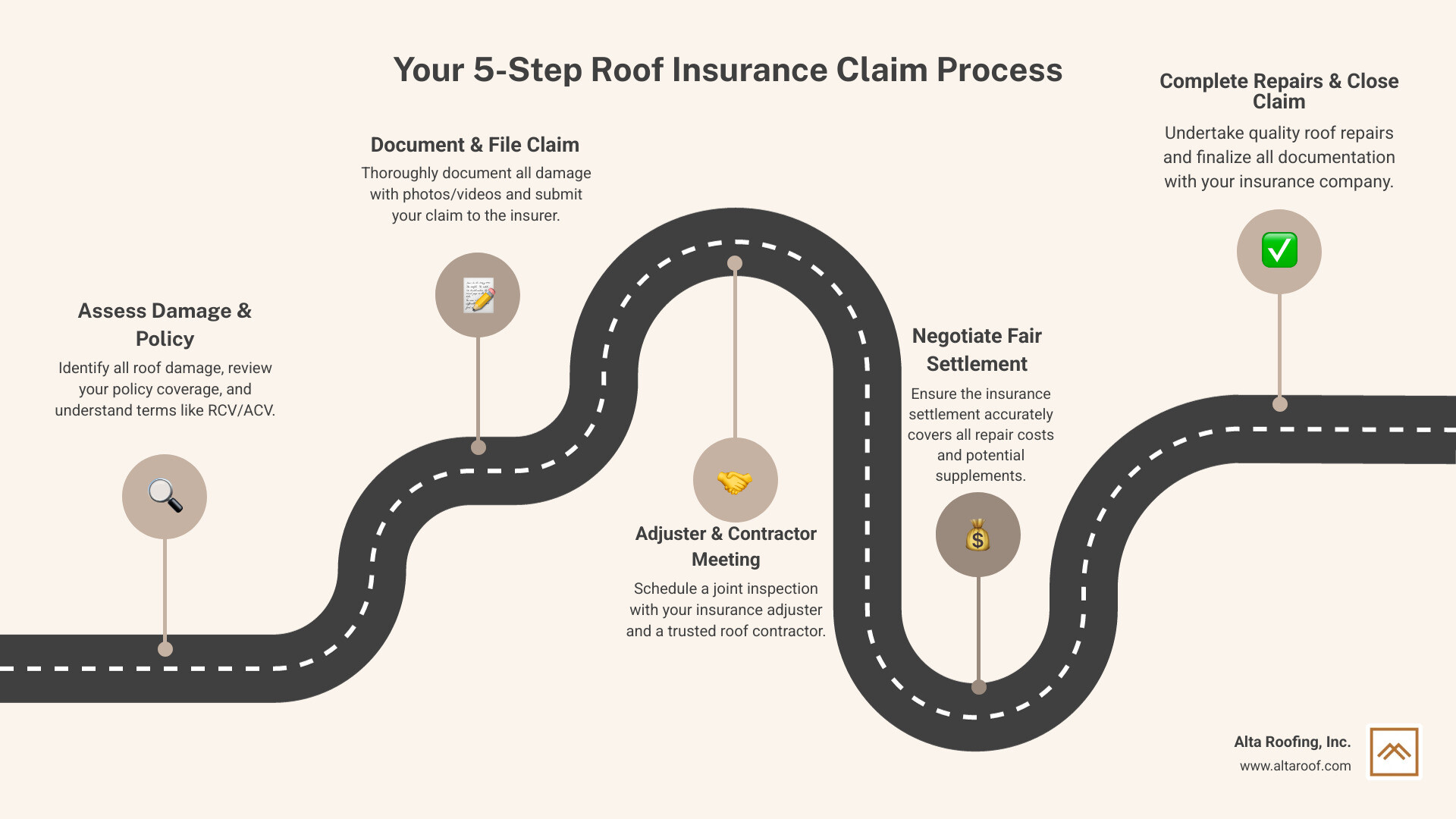
Step 1: Identifying Damage and Understanding Your Policy
When a powerful Colorado storm rolls through, it can leave behind damage that isn't always obvious. The first step in the insurance claim process is to understand the damage to your roof and the details of your insurance policy.
Signs of Roof Damage to Look For
After a weather event in areas like Denver or Colorado Springs, a professional inspection is always best, but here are some signs homeowners can look for:
- Hail Damage: Look for "bruising" or dents on shingles. Check for collateral damage like dents in gutters, downspouts, or dings on garage doors, as these are strong indicators of roof damage. For asphalt shingles, 9 to 10 hail bruises per 10x10 foot area often justifies a full replacement.
- Wind Damage: Strong winds, common in places like Castle Rock, can lift, crease, or tear off shingles. Look for any loose or missing shingles. Even if they appear flat, their seals may be broken, leaving your roof vulnerable to leaks.
- Granule Loss: If you see excessive granules from your asphalt shingles in your gutters, it could indicate hail damage or advanced wear, signaling a shortened roof lifespan.
- Interior Water Stains or Leaks: Water spots in your attic or stains on ceilings are clear indicators of a roof leak. Hidden leaks can cause significant rot and mold before they become visible.
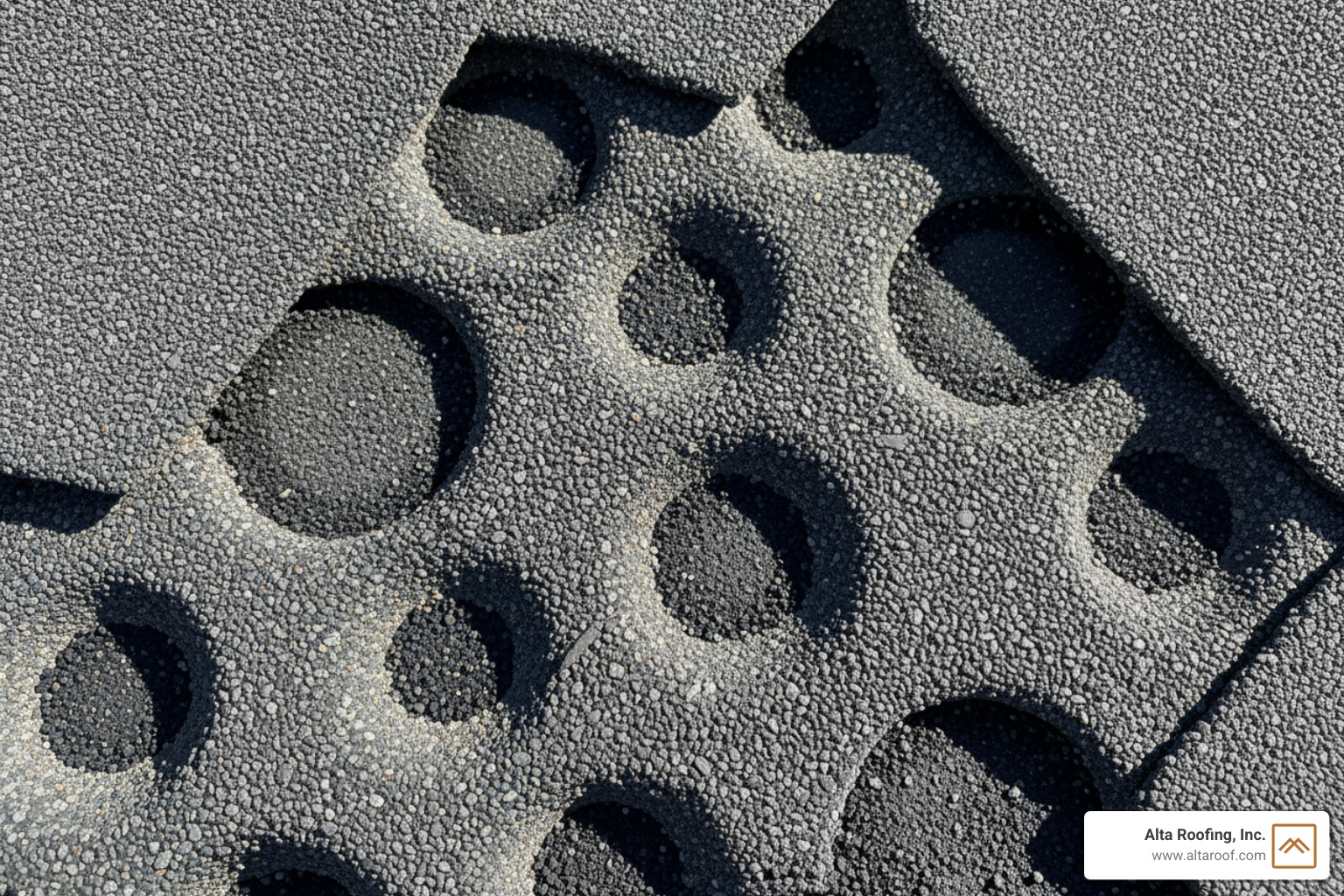
Distinguishing Storm Damage vs. Wear and Tear
This is a critical distinction. Insurance covers sudden, accidental damage from events like storms, not normal aging. An older roof (15-20 years) will naturally show wear like cracking or curling. If your roof was already in poor condition, a claim might be denied. This is why a professional assessment from experienced insurance claim roof contractors is invaluable. We can accurately differentiate wear from new storm damage, providing detailed reports with photos to serve as powerful evidence.
As we help homeowners across Colorado, from Manitou Springs to Golden, we know what evidence is needed to prove damage was caused by a covered event. For more on navigating this, you can learn more about How to File a Home Insurance Claim for Roof Damage.
Decoding Your Homeowners Insurance Policy
Before calling your insurer, you must understand your policy. It's a contract, and knowing the terms is key to a smooth claims process.
Here are the crucial elements to review:
- Replacement Cost Value (RCV) vs. Actual Cash Value (ACV): This is a critical distinction for roof claims.
- Replacement Cost Value (RCV): An RCV policy covers the full cost to replace your roof with new, similar materials, minus your deductible. Depreciation isn't factored into the final payout. You often receive an initial check for the ACV, and a second check (recoverable depreciation) after repairs are complete.
- Actual Cash Value (ACV): An ACV policy only covers the depreciated value of your roof, minus your deductible. The older your roof, the less you receive, leaving you with a larger out-of-pocket expense. ACV policies typically pay out 20-25% less than RCV policies.
| Feature | Replacement Cost Value (RCV) | Actual Cash Value (ACV) |
|---|---|---|
| Payout Basis | Cost to replace with new, similar quality materials | Depreciated value of the roof at time of loss |
| Depreciation | Not factored into final payout; recoverable after repairs | Subtracted from replacement cost; homeowner pays this |
| Out-of-Pocket | Deductible + any upgrades | Deductible + depreciation + any upgrades |
| Typical Payout | Often in two installments (ACV first, then recoverable depreciation) | Single payout for depreciated value |
- Deductibles: This is the amount you pay out-of-pocket before your insurance coverage kicks in. Deductibles can be a fixed dollar amount (e.g., $500 to $2,000 or more) or a percentage of your home's insured value.
- Policy Limits: Every policy has a maximum amount it will pay for a covered loss. Ensure your limits are adequate to cover a full roof replacement.
- Exclusions: Pay close attention to what your policy doesn't cover. Common exclusions include damage from wear and tear, failure to maintain the property, and sometimes specific catastrophic events like floods or earthquakes.
- Ordinance and Law Coverage: This often-overlooked coverage is incredibly important. If your roof needs replacement, current building codes might require upgrades (e.g., new ventilation, ice and water shield) that weren't part of your original roof. Ordinance and Law coverage helps pay for these code-mandated upgrades.
Step 2: The Essential Guide to Filing Your Roof Insurance Claim
Once we understand our policy and have a clear picture of the damage, it's time to take action. This step focuses on gathering evidence, formally initiating the claim, and effectively communicating with our insurance company and their adjuster.
Documenting Everything: Your Most Crucial Step
Think of yourself as a detective building a case. The more evidence you have, the stronger your claim. Documentation is paramount, and it's best done immediately after you suspect damage.
- Photo Evidence: Take clear, high-resolution photos and videos of all damaged areas on your roof, siding, gutters, and any interior damage. Capture wide shots for context and close-ups to detail specific issues. Date and time-stamped photos are ideal.
- Contractor's Inspection Report: This is where experienced insurance claim roof contractors truly shine. A professional inspection by our team at Alta Roofing will provide a comprehensive report detailing the cause and full extent of the damage, distinguishing new storm damage from pre-existing wear.
- Temporary Repair Receipts: If you've had to make temporary repairs (like tarping a leak in Arvada) to prevent further damage, keep all receipts. Many policies cover these mitigation costs.
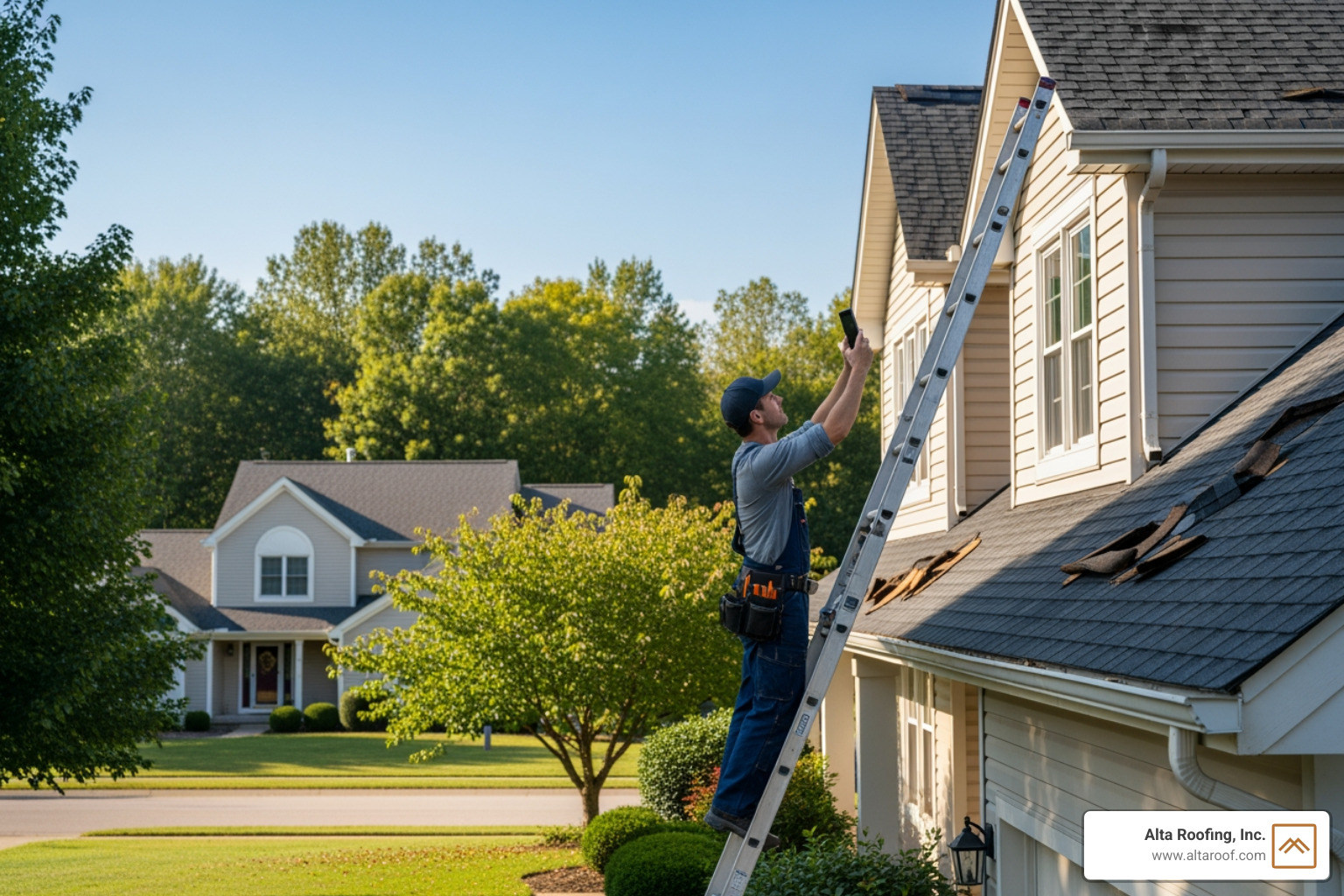
Need an initial idea of repair costs to prepare your documentation? You can get an Instant Quote for repairs through our website.
Initiating the Claim and Working with the Adjuster
With the right preparation and partnership, this step doesn't have to be stressful.
- When to Call Your Insurer: We recommend calling a reputable insurance claim roof contractor like Alta Roofing before your insurance company. Our professional inspection confirms if you have damage worth filing a claim for. Filing a "zero-pay" claim (where damage is below your deductible) can negatively impact your insurance record. Once we confirm significant damage, you can contact your insurer to open a claim.
- Contractor's Role During Inspection: When your insurance adjuster schedules their visit, ensure your contractor is present. Our Colorado team has extensive experience meeting with adjusters. We point out all identified damage, explain the technical aspects, and ensure nothing is overlooked. This collaborative approach helps prevent disputes and ensures a fair assessment. For a deeper dive, check out Your expert guide to identifying hidden damage.
- Advocating for the Homeowner: Adjusters may not be roofing experts and can miss subtle damage. Our contractors act as your advocate, ensuring all legitimate damage is accounted for. We can use an Assignment of Claim (AOC) form, which allows us to communicate directly with your insurer to streamline the process.
Maximizing Your Claim Settlement
The goal is a settlement that fully covers quality repairs or replacement. This often requires careful negotiation.
- Accurate Estimates: Our detailed estimates include all necessary line items and align with industry-standard pricing, often using software like Xactimate that insurers also use. This helps bridge gaps between our quote and the adjuster's assessment.
- Overhead and Profit: Initial insurance estimates often omit contractor overhead and profit (O&P). These are legitimate business expenses, and we work to ensure they are included in your settlement.
- Supplementing the Claim: If an initial estimate is too low, we can help "supplement" the claim. This involves providing additional documentation and revised estimates to justify a higher payout. We have helped countless Colorado homeowners successfully supplement their claims.
- Negotiation Tactics: Our experience with various insurance providers means we know how to effectively negotiate on your behalf. We present clear evidence to ensure you receive fair compensation. A roof replacement can cost from $9,000 to $15,000 or more, so thorough negotiation is essential.
Step 3: Choosing the Right Insurance Claim Roof Contractors
Selecting the right partner for your roof repair or replacement is just as important as identifying the damage itself. In the aftermath of a storm, our communities in Colorado can sometimes see an influx of less-than-reputable companies. We need to be vigilant and choose wisely.
Criteria for Vetting the Best Insurance Claim Roof Contractors
You need a team skilled in both roofing and insurance claims. Here’s what to look for in top-tier insurance claim roof contractors:
- Local and Established: Prioritize contractors with a long-standing presence in your Colorado community. Local companies like Alta Roofing understand regional building codes and are available for follow-up.
- Licensed and Insured: This is non-negotiable. Verify the contractor has proper licenses and carries both liability and workers' compensation insurance to protect you.
- Positive Online Reviews and BBB Rating: Check Google, Yelp, and the Better Business Bureau (BBB). A strong rating indicates a commitment to customer satisfaction. You can learn about BBB accreditation to understand its importance.
- Experience with Insurance Claims: Ask about their specific experience with claims. A dedicated claims specialist is a good sign. This is our specialty at Alta Roofing.
- Transparent Communication: A good contractor keeps you informed, explaining the process, timelines, and answering your questions clearly.
- References and Portfolio: Ask for references and to see previous work. We're always happy to show you our craftsmanship; you can even View our past projects online.
The Dangers of 'Storm Chasers'
Unfortunately, severe weather events often attract "storm chasers"—out-of-state contractors who follow storms, solicit business aggressively, and then disappear once the work is done, leaving homeowners with shoddy repairs and no recourse. We've seen them come and go in places like Highlands Ranch and Lone Tree.
Here are red flags to watch out for:
- High-Pressure Sales Tactics: They demand you sign a contract immediately or offer deals that seem too good to be true.
- Out-of-State License Plates: While not always a red flag, be wary if their vehicles indicate they're not local.
- Offers to Cover Your Deductible: This is a major red flag and constitutes insurance fraud. It's illegal for a contractor to waive your deductible or offer a rebate that covers it.
- No Local Office: They might operate out of a P.O. Box or temporary setup. A reputable local contractor will have an established physical address.
- Cash-Only Deals: This can be a sign they're trying to avoid taxes or operate without proper licensing.
- Lack of Warranty Information: They might offer vague promises but no written warranty for their work.
Always choose a local, reputable company that stands behind its work.
The Benefits of Hiring Experienced Insurance Claim Roof Contractors
Partnering with experts like Alta Roofing provides benefits beyond just a new roof.
- Expert Advocacy: We speak the insurance company's language and advocate for your best interests, which is crucial in complex disputes.
- Streamlined Process: We act as your single point of contact, coordinating everything to reduce your stress and save you time.
- Accurate Scope of Work: Our expertise ensures all necessary repairs, including hidden damage and code upgrades, are included in the claim to prevent surprise costs.
- Quality Materials and Craftsmanship: We use high-quality materials suited for Colorado's weather and our certified installers ensure the work is done right the first time.
- Peace of Mind: Knowing an expert team is managing the entire process allows you to focus on your family and home.
Ready to experience the difference? Schedule an Appointment with us today.
Step 4: Navigating Claim Denials and Post-Approval Steps
Even with the best preparation, sometimes claims are underpaid or denied. But don't despair! A denied or underpaid claim is often a starting point for negotiation, not a final decision.
Handling Underpaid or Denied Claims
- Reviewing the Denial Letter: Calmly review the denial letter to understand the specific reasons cited, such as wear and tear or damage below the deductible. Many homeowners operate under Common misconceptions about roof repair claims that can lead to denials.
- Getting a Second Opinion: If your claim was denied based on the adjuster's assessment, get a second opinion from a reputable insurance claim roof contractor. A detailed report with new photo evidence can often contradict the initial assessment.
- The Appeals Process: Most insurers have an appeals process. This is where you submit new evidence, like our detailed inspection report or a revised estimate, to argue why the initial decision was incorrect. We can help you build a compelling case.
- Providing New Evidence: This might include proof of maintenance, receipts from prior repairs, or expert testimony from our roofing professionals.
- Consider a Public Adjuster or Attorney: If the appeals process fails, you might consider a public adjuster or an attorney. Public adjusters work for you and typically charge a percentage of the settlement, proving invaluable in complex disputes.
From Approval to New Roof: The Repair Process
Once your claim is approved, the work begins.
- Receiving Insurance Checks: With RCV policies, you typically get two checks. The first covers the Actual Cash Value (ACV), minus your deductible, allowing work to begin.
- Recoverable Depreciation: The second check, for recoverable depreciation, is released after we complete the work and submit proof to your insurer. This brings your total payout to the full Replacement Cost Value.
- Working with Your Mortgage Company: If you have a mortgage, the check may be co-payable to you and your lender. We can guide you through getting their endorsement to release the funds.
- Scheduling the Work: Once funds are available, we'll schedule the work, help you select materials, and handle all necessary permits for your Colorado location.
- Final Inspection: After the work is complete, we conduct a thorough final inspection with you to ensure your satisfaction.
- Final Payment and Closing the Claim: Once you're happy, the final payment is processed, and we ensure your claim is officially closed with the insurance company.
Upgrading Your Roof After a Claim
A roof replacement after a storm provides an excellent opportunity to upgrade your roofing system, offering improved protection and potential savings.
- Impact-Resistant Shingles: Consider upgrading to Class 3 or Class 4 impact-resistant shingles. These are designed to withstand hail better than standard shingles. Many Colorado insurance companies offer premium discounts for homes with these durable materials.
- Potential Insurance Discounts: Other upgrades can lead to savings. Installing a FORTIFIED Roof™, which meets construction standards designed to make homes more resilient, can qualify you for insurance discounts or other incentives. You can find more information at FORTIFIED Home incentives.
- Improved Property Value: A new, upgraded roof not only offers superior protection but also improves your home's curb appeal and increases its overall property value.
Frequently Asked Questions about Roof Insurance Claims
We get a lot of great questions from homeowners in Colorado. Here are some of the most common ones we hear:
Should I call a roofer or my insurance company first?
We strongly advise contacting a reputable insurance claim roof contractor like Alta Roofing first. Here's why:
- Unbiased Damage Assessment: We conduct a thorough inspection to confirm if you truly have covered storm damage. We work for you, not the insurance company.
- Avoid Unnecessary Claims: If damage is minor or below your deductible, we can advise you not to file, protecting your insurance record from a "zero-pay" claim.
- Professional Documentation: Our detailed inspection report and photos provide solid evidence to support your claim from the very start.
- Strengthens Your Position: Having a professional assessment before you call your insurer gives you leverage and ensures all damage is identified.
What is the difference between Replacement Cost Value (RCV) and Actual Cash Value (ACV)?
This is a critical distinction that we covered earlier, but it's worth repeating.
- Replacement Cost Value (RCV) means your policy pays the full cost to replace your damaged roof with new, similar materials (minus your deductible). You typically get an initial check, then a second "recoverable depreciation" check after the work is done.
- Actual Cash Value (ACV) means your policy only pays the depreciated value of your roof. This payout will be less than the cost of a new roof, leaving you to cover the difference plus your deductible.
Will filing a roof claim increase my insurance premiums?
This is a valid concern. While filing a claim can lead to premium increases, it's not guaranteed, especially for storm damage in Colorado.
- "No-Fault" Claims: Storm-related claims are often considered "no-fault" incidents because you can't prevent a hailstorm. A single storm claim might not directly cause your individual premiums to rise.
- Regional Rate Increases: More often, insurers raise rates across an entire region after a major storm, regardless of whether you personally filed a claim.
- Not Filing Can Be Costlier: The alternative to filing a legitimate claim is paying for a full roof replacement yourself, which can cost thousands. Unaddressed damage can also lead to more expensive problems like leaks and mold, which may not be covered later.
Conclusion
Navigating roof damage and an insurance claim can feel overwhelming, but with the right knowledge and partner, it becomes a manageable path to a restored home.
Remember these key takeaways:
- Proactive Documentation is Power: Detailed photos and a contractor's report are your strongest allies.
- Understand Your Policy: Know your RCV vs. ACV coverage, deductible, and exclusions before you file.
- Partner with an Expert: Choose local, experienced insurance claim roof contractors to advocate for you and deliver quality repairs.
At Alta Roofing, Inc., we're your dedicated partner in storm restoration. From Denver to Colorado Springs, our mission is to simplify the insurance claims process and provide you with a durable, beautiful roof. We act as your single point of contact, coordinating all trades to ensure a smooth, stress-free experience.
Don't let roof damage and insurance paperwork overwhelm you. Let our expertise be your guide. Explore our storm damage restoration services and see how we can help you get back to normal, faster.
